French

Part 6 · Epilogue

Episode 47: Quelle richesse!

Geography and Tourism II

  • 29 min video
  • About 80 min with practice
  • A2–B1

Five friends, one little Méhari, and all of France to see. Hubert wants kings and châteaux, Jean-Michel wants le peuple, Mireille wants cathedrals, Colette wants cheese — and Robert wants a bike. Quelle variété, quelle richesse ! Learn to say what someone must see (il faut que vous voyiez), that you're fed up (j'en ai ras le bol), and to settle it: Va pour la Normandie !

Start with Episode 1 free in two taps. Add your email when you are ready and every episode, this one included, opens for 7 days. No card needed.

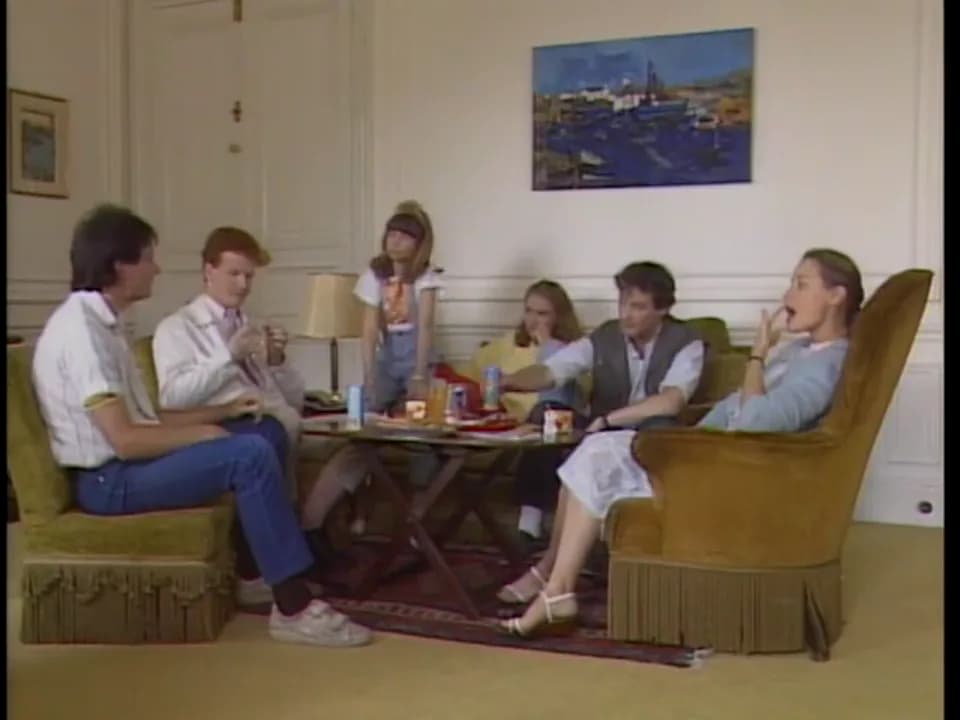
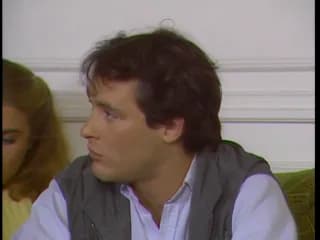
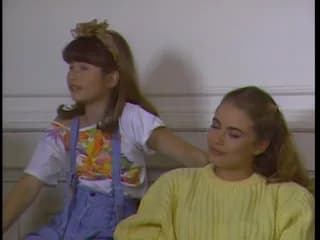
A scene from French in Action episode 47, Quelle richesse!
minutes of video
29
CEFR level
A2–B1
key words
35
grammar patterns
3

By the end you can

  • say what someone absolutely must see: Il faut absolument que vous voyiez nos châteaux. Il faut surtout qu'il voie nos cathédrales.
  • say you're fed up, three ways: J'en ai assez. J'en ai marre. J'en ai ras le bol de la plaine.
  • react to a silly claim: Ah, elle est bien bonne, celle-là ! Où es-tu allé chercher ça ?
  • talk about French landscapes: la montagne, la plaine, la mer, les gorges, un col, la marée haute
  • make a group decision: Si on commençait par la Normandie ? — Va pour la Normandie !

Listen out for

Five things to notice the first time you watch. Spotting them is half the lesson.

  • Où on va ? — Où va-t-on ? Same question, two styles: Jean-Michel's and Hubert's.
  • Three lists: Hubert's landscapes, Mireille's churches, Hubert's châteaux — and Colette turns every name into food.
  • Il faut que vous voyiez… — how often do they tell Robert what he must see?
  • Three ways to be fed up: j'en ai assez, j'en ai marre, j'en ai ras le bol.
  • Mont Blanc: 4 807 or 4 810 metres? Who says which?
  • The man outside the window — who notices him?

Scene by scene

The episode in 13 short scenes, with the time each one starts in the video.

  1. Starts at 0:00

    1.Previously, and the titles

    The series introduction and an English preview: the travellers argue about where to go, Robert suggests bikes, and they settle on Normandy.

  2. Starts at 1:07

    2.Où va-t-on ? Partout !

    At the Belleaus', the five friends plan their trip. Hubert wants to show France as made by nature, history and forty kings; Jean-Michel answers with the sweat of the people and the giants of 1793. Hubert lists landscapes: Chamonix, Gavarnie, the Verdon and Tarn gorges.

  3. Starts at 1:53

    3.Hundreds of churches

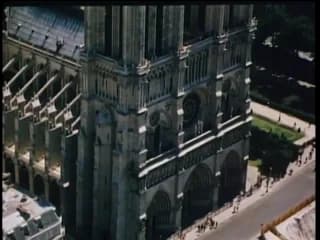
    Mireille wants Robert to see the cathedrals: he has only seen Notre-Dame and Chartres! She lists Amiens, Strasbourg, Reims, Bourges, Mont-Saint-Michel, Albi, Romanesque, fortified and modern churches. Colette only hears cheese.

  4. Starts at 2:47

    4.Châteaux… and cheese

    Hubert lists châteaux: Chambord, Chantilly, Chenonceaux, Valençay, Fontainebleau, Saumur… and Colette answers each one with a cream, a cheese or a wine.

  5. Starts at 3:27

    5.France by bike?

    Robert says it's a lot. Mireille: France is small — a thousandth of the world's land, smaller than Texas, but what variety! Robert worries about five people in Hubert's Méhari and suggests bicycles. The Loire is easy… the mountain passes are another story.

  6. Starts at 4:37

    6.Mountains, and ras le bol

    Jean-Michel lists France's mountains; Marie-Laure adds Brittany's Massif armoricain. Colette and Jean-Michel are fed up with the flat Île-de-France. Hubert offers his parents' estate in the Cantal — 'cow mountains', says Jean-Michel. Then Hubert: there are no more Pyrenees!

Show the other 7 scenes
  1. 7No more Pyrenees — and 4,810 mMireille explains Hubert's joke to Marie-Laure: the Peace of the Pyrenees, 1659. Jean-Michel scoffs: ask the Tour de France riders! He prefers the Alps. Hubert insists Mont Blanc is 4,810 metres, not 4,807. Cocorico!Starts at 5:58
  2. 8Va pour la Normandie !Hubert proposes going round France anticlockwise; Jean-Michel wants to start in the industrial North. Colette prefers Normandy — you eat well there. Everyone agrees. Outside the window the man in black washes the panes; only Marie-Laure notices. Departure Monday at dawn… Rouen! Tourcoing!Starts at 7:13
  3. 9Explained: kings, the people, the giantsThe teacher replays the story: a réunion, où on va / où va-t-on, the history of France from the Gauls to the forty kings, the sweat of the people, the giants of 1793, and Hubert's landscapes.Starts at 8:58
  4. 10Explained: churches, tides, châteaux, bikesGothic cathedrals (nave, spire, angels, stained glass), the Mont-Saint-Michel tides, Romanesque, fortified and modern churches, the châteaux of the Loire, the 'land above water', and why Robert wants exercise.Starts at 12:13
  5. 11Explained: another story, ras le bolUne autre histoire (with times tables), c'est que tu en as, des poches !, the mountains of France, a role-play on the Île-de-France, and three ways to be fed up: assez, marre, ras le bol.Starts at 16:53
  6. 12Explained: Pyrenees, se taper, Mont BlancThe Peace of the Pyrenees, elle est bien bonne, celle-là, Marie-Laure who se tape her homework, mountain passes, Mont Blanc's height (a lady in a park learned 4,810 too), clockwise and anticlockwise, and va pour…Starts at 20:40
  7. 13Dawn, questions, GuignolÀ l'aube = at dawn. Then: look, listen and speak — quick questions about the episode. Finally Guignol, fed up, argues that the best tripe is Lyon-style, not Caen-style. Then the credits.Starts at 25:10

Key phrases, with Hindi and Punjabi pronunciation

Real lines from this episode, written the way they sound in Latin letters, Devanagari and Gurmukhi.

  • Où va-t-on ?Where are we going? (elegant)
    oo va-TO(N)?ऊ वा-तोँ?ਊ ਵਾ-ਤੋਂ?
  • Mais quelle variété, quelle richesse !But what variety, what richness!
    may kel va-ryay-TAY, kel ree-SHESमे कैल वा-ग़्ये-ते, कैल ग़ी-शैसਮੇ ਕੈਲ ਵਾ-ਗ਼੍ਯੇ-ਤੇ, ਕੈਲ ਗ਼ੀ-ਸ਼ੈਸ
  • Ça, c'est une autre histoire.That's another story.
    SA, say tün OHTR ees-TWARसा, से tün ओत्ग़ ईस-तुआग़ਸਾ, ਸੇ tün ਓਤ੍ਗ਼ ਈਸ-ਤੁਆਗ਼
  • J'en ai ras le bol, je veux aller faire de la montagne.I've had it up to here, I want to go to the mountains.
    zha(n)-nay RAHL BOL, zhuh vuh a-lay fair duh la mo(n)-TANYझ़ाँ-ने ग़ाल बोल, झ़अ वअ आ-ले फ़ैग़ दअ ला मोँ-तान्यਝ਼ਾਂ-ਨੇ ਗ਼ਾਲ ਬੋਲ, ਝ਼ਅ ਵਅ ਆ-ਲੇ ਫ਼ੈਗ਼ ਦਅ ਲਾ ਮੋਂ-ਤਾਨ੍ਯ
  • Mais il n'y a plus de Pyrénées, mon cher ami.But there are no more Pyrenees, my dear friend.
    may eel nya PLÜ duh pee-ray-NAY, mo(n) SHER a-MEEमे ईल न्या plü दअ पी-ग़े-ने, मोँ शैग़ आ-मीਮੇ ਈਲ ਨ੍ਯਾ plü ਦਅ ਪੀ-ਗ਼ੇ-ਨੇ, ਮੋਂ ਸ਼ੈਗ਼ ਆ-ਮੀ

Sounds to master in this episode

French sounds explained through the Hindi and Punjabi sounds you already make, with real lines from the episode to copy.

  • The French R/ʁ/

    ग़ (हल्का)ਗ਼ (ਹਲਕਾ)

    The French r is soft, in the throat — ग़ / ਗ਼: *Rouen, richesse, Pyrénées, marée, marre. Not the rolled Hindi र. Jean-Michel and Hubert shout it again and again: Rouen ! Tourcoing !*

    • Mais quelle variété, quelle richesse !But what variety, what richness!
    • Première étape : Rouen !First stage: Rouen!
  • The nasal an of France/ɑ̃/

    आँ (माँ वाला)ਆਂ (ਮਾਂ ਵਾਲਾ)

    Nasal an / en / am — आँ / ਆਂ, the माँ sound: en France, Chambord, des centaines, c'est entendu. Don't add an n or m at the end — the vowel just goes through the nose.

    • Il y a des centaines d'églises à voir.There are hundreds of churches to see.
    • Eh bien, c'est entendu, pas de problème.Well, that's settled, no problem.

Grammar patterns in this episode

Each pattern comes from real lines in the episode. Here is the short version; in the course you notice it in the video first, then drill it.

  1. 1Il faut que + subjunctive of voir — what someone must see

    After il faut que… the verb goes into the subjunctive. For voir: que je voie, que tu voies, qu'il voie, qu'ils voient (all sound like voit), but que nous voyions, que vous voyiez — with an extra i (you hear a little y sound: vwa-YAY). Without que, use the infinitive: il faut voir Chartres.

    From the episode

    Il faut absolument que vous voyiez nos campagnes

    You absolutely must see our countryside

    Hindi and Punjabi link

    Il faut que vous voyiez works like Hindi आपको … देखना ही चाहिए / Punjabi ਤੁਹਾਨੂੰ … ਵੇਖਣਾ ਹੀ ਚਾਹੀਦਾ: the 'must' changes the verb form, just as French switches to the subjunctive.

  2. 2En avoir assez / marre / ras le bol — being fed up

    en avoir assez (polite), en avoir marre (casual), en avoir ras le bol (very casual) all mean to be fed up. Conjugate avoir and keep en in front: j'en ai marre, il en a assez, nous en avons ras le bol. Say what you're fed up with with de: j'en ai marre de la plaine, des devoirs. Negative: je n'en ai pas marre.

    From the episode

    Je commence à en avoir assez de la plaine de l'Île-de-France.

    I'm starting to get fed up with the plain of the Île-de-France.

    Hindi and Punjabi link

    Same feeling, same 'fullness' image: मेरा दिमाग़ भर गया / ਮੈਂ ਅੱਕ ਗਿਆ ਹਾਂ. Ras le bol is a bowl full to the brim — just like नाक तक आ गया, up to here!

  3. 3Little pronouns: en, y, le / l', les

    These pronouns go before the verb (before avoir in the past). en replaces de + noun or 'some': tu en as vu (some cathedrals), tu en oublies (some mountains). les / le / l' replace a definite thing: tu les as toutes vues (the cathedrals), je ne l'accepterai jamais (that). y replaces a place: on y sacrait les rois (at Reims). Spoken French loves C'est qu'on en a, des montagnes ! — the noun is added at the end for emphasis.

    From the episode

    Tu crois que quand tu en as vu, tu les as toutes vues ?

    You think that once you've seen some, you've seen them all?

Words you will meet

Each word is written the way it sounds in Devanagari and Gurmukhi.

  • la sueurf.sweatला sü-अग़ਲਾ sü-ਅਗ਼
  • le peuplem.the (common) people, the nationलअ पअप्लਲਅ ਪਅਪ੍ਲ
  • un géantm.a giantअँ झ़े-आँਅੰ ਝ਼ੇ-ਆਂ
  • le sangm.bloodलअ साँਲਅ ਸਾਂ
  • la campagnef.the countrysideला काँ-पान्यਲਾ ਕਾਂ-ਪਾਨ੍ਯ
  • une forêtf.a forestün फ़ो-ग़ेün ਫ਼ੋ-ਗ਼ੇ
  • une aiguillef.a needle; a clock handün ए-गüईün ਏ-ਗüਈ
  • des gorgesf.gorges, canyonsदे गोग़झ़ਦੇ ਗੋਗ਼ਝ਼
  • une églisef.a churchün ए-ग्लीज़ün ਏ-ਗ੍ਲੀਜ਼
  • la neff.the naveला नैफ़ਲਾ ਨੈਫ਼
  • la flèchef.the spire; arrowला फ़्लैशਲਾ ਫ਼੍ਲੈਸ਼
  • les vitrauxm.stained-glass windowsले वी-त्ग़ोਲੇ ਵੀ-ਤ੍ਗ਼ੋ

Plus 23 more words in the lesson, each with its pronunciation.

Practice in all four skills

Listening, speaking, reading and writing: the four skills TEF Canada and TCF Canada score. Every task is built from this episode's own lines.

  • Listening

    8 dictation lines cut from the video: hear it, type it, check every accent.

    A line you will write down

    On ne va pas pouvoir aller partout.

    We won't be able to go everywhere.

  • Speaking

    Shadow 8 lines after the actors, answer 6 questions aloud, then a short role-play with Colette.

    How the role-play opens

    Alors, où va-t-on ? Moi, j'en ai assez de la plaine !

    So, where are we going? I'm fed up with the flat plain!

  • Reading

    A short story, “A tour of France — in words”, retold with this episode's words, then 5 questions on it.

    The story starts

    Les cinq amis sont réunis chez les Belleau pour parler de leur voyage.

  • Writing

    8 fill-in sentences, 5 sentences to build and 2 short writing tasks with feedback.

    A writing task

    A French friend is visiting your country. Tell them what they absolutely must see — landscapes, monuments, food — using il faut que tu voies / il faut absolument que vous voyiez.

Then a self-test of 7 questions to finish the episode, and new words go into your review deck.

Culture notes

Cathedrals: Gothic and Romanesque

Romanesque churches (églises romanes, 11th–12th c.: Vézelay, Conques, Paray-le-Monial) have round arches and thick walls. Gothic cathedrals (gothiques, 12th–13th c.) reach for the sky: the high nave of Amiens, the spire of Strasbourg, the stained glass of Bourges and Chartres. French kings were crowned (sacrés) at Reims. At Mont-Saint-Michel the tide comes in à la vitesse d'un cheval au galop.

Hindi and Punjabi linkLike temple architecture in India — Nagara and Dravidian styles — you soon learn to tell the two styles apart at a glance.

Châteaux… and cheeses

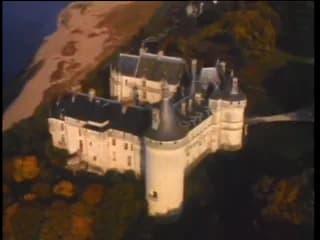
The Loire valley is lined with Renaissance châteaux: Chambord, Chenonceaux, Azay-le-Rideau, Amboise (where Leonardo da Vinci died). Many names are also foods: Chantilly (whipped cream), Valençay (goat's cheese), Saint-Nectaire and Cantal (cheeses), Saumur (wine — and a famous cavalry school). Colette's reflex is very French: a place is known by what you eat there.

Mountains, passes and the Tour de France

France's mountains: les Alpes (Mont Blanc, La Meije), les Pyrénées (on the Spanish border), the Jura, the Vosges, the Massif central, the Ardennes, the old Massif armoricain in Brittany. The Tour de France bike race crosses famous cols (passes) like the Tourmalet and the Aubisque — often in the same étape. Mont Blanc's height was long given as 4 807 m; older books said 4 810 m. Hubert's Cocorico ! — the Gallic rooster's cry — is French pride, half joking.

Hindi and Punjabi linkFor comparison: the Rohtang Pass in Himachal is about 3 980 m — almost exactly the height of La Meije.

Who is in it

  • Hubertaristocrat, champion of kings and châteaux
  • Jean-Michelthe left-winger who wants real mountains
  • Mireilleart-history student, wants cathedrals
  • Robertthe American guest, thinking of bikes
  • ColetteMireille's friend, who thinks with her stomach
  • Marie-LaureMireille's little sister

Watch this episode in your free trial

Start with Episode 1 free in two taps. Add your email when you are ready and every episode, this one included, opens for 7 days. No card needed.

Start free with Episode 1

What you get

  • Warm-up, tap-to-translate captions, words & patterns, practice
  • Hindi and Punjabi pronunciation help
  • Printable watch guide and master guide
  • New words saved to your spaced review deck

Coming up next

Episode 48 — Quelle horreur ! Departure at dawn: the five friends set off on their tour of France — Rouen or Tourcoing?