French

Part 6 · Epilogue

Episode 52: Tout est bien qui finit bien

Getting Away II

  • 29 min video
  • About 80 min with practice
  • B1

The last episode! The man in black is still following, so Mireille and Robert ditch their friends in Rouen, hitchhike towards Turkey, steal a little plane, fly over the whole of France, take the TGV to Cannes… and finally find out who he is. Learn to make a good guess (ça doit être Chinon), to say would have (j'aurais aimé), and to be glad someone was there (je suis contente que tu aies été là). Tout est bien qui finit bien.

Start with Episode 1 free in two taps. Add your email when you are ready and every episode, this one included, opens for 7 days. No card needed.

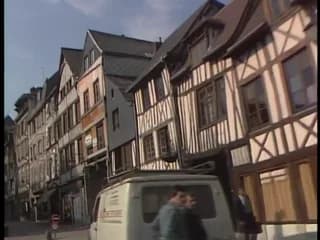
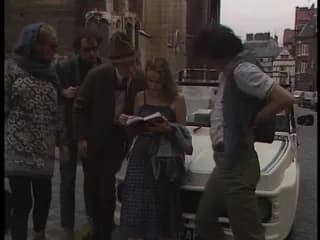
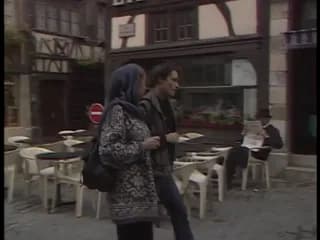
A scene from French in Action episode 52, Tout est bien qui finit bien
minutes of video
29
CEFR level
B1
key words
31
grammar patterns
3

By the end you can

  • make a confident guess with devoir: Ça doit être Chinon. On doit être au-dessus de la Loire. Ils ont dû se tromper.
  • say what would have happened: J'aurais aimé vivre à cette époque. Ça aurait pu être plus grave.
  • say you're glad or surprised about something that happened: Je suis contente que tu aies été là.
  • tell someone a story about a stranger you keep seeing: Je viens de voir un type que j'ai déjà vu ailleurs.
  • give quick instructions in a hurry: Ne te retourne pas ! Filons ! Faisons du stop ! Remonte !

Listen out for

Five things to notice the first time you watch. Spotting them is half the lesson.

  • Place Vavin, first minutes: look at the café behind the Méhari. Someone is reading a newspaper…
  • Over France, Mireille names every place with ça doit être… (that must be…). It's a fly-past of episodes 47–50.
  • The narrator is in a joking mood: car elle manie aisément le subjonctif, ils ont dû se tromper de scénario.
  • At the Carlton, the man in black finally speaks. Listen for his name and his job.

Scene by scene

The episode in 14 short scenes, with the time each one starts in the video.

  1. Starts at 0:00

    1.The last episode begins

    The series introduction and an English preview: the man in black follows, Mireille and Robert try to lose him, Robert falls, there's a fire — but all ends well.

  2. Starts at 1:12

    2.Departure from Place Vavin

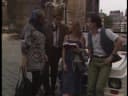
    Jean-Michel and Robert wait at Place Vavin; the Méhari arrives with Hubert, Colette and Mireille. Hubert wants a coffee, but Mireille spots the man in black in the café and hurries everyone into the car. They argue about who sits where.

  3. Starts at 2:46

    3.On the road: left or right?

    Jean-Michel drives and turns left; Hubert says right. In the back, Mireille reads about Rouen's museums and Colette reads restaurant guides; in front, Hubert and Jean-Michel argue about Marx.

  4. Starts at 4:10

    4.Rouen and Joan of Arc

    They drive under the Gros-Horloge to the Place du Vieux-Marché, where Joan of Arc was burned. Robert dreams of being a fireman on horseback who saves her; Hubert says he'd have sabotaged the making of France.

  5. Starts at 5:29

    5.Closed on Tuesdays

    Colette's famous restaurant is closed on Tuesdays, so Mireille suggests a picnic by the Seine. The others visit the cathedral; Robert goes shopping with Mireille and complains he's fed up with the others.

  6. Starts at 6:47

    6.The man in black — again

    At a café terrace Mireille sees the man in black behind a newspaper. She and Robert compare notes: the café, the Samaritaine taxi, the Closerie des Lilas, the Luxembourg… Who is he following? Robert decides they must leave without the others.

Show the other 8 scenes
  1. 7A note and a lorry to TurkeyThey take their bags, split the lottery money, leave a note on the windscreen, run through Rouen and hitchhike. The first lorry is going to Turkey — what a coincidence!Starts at 9:30
  2. 8The stolen planeRobert spots a little plane at an airfield, gets the driver to stop (he 'forgot his toothbrush'), pays the stunned pilot for the fuel and insurance, and somehow takes off.Starts at 11:12
  3. 9All of France from the airLost in the sky, they fly over Mont-Saint-Michel, the Loire châteaux, the volcanoes, Carcassonne, Nîmes, the Côte d'Azur, the Alps, the Camargue, the Pyrenees, Brittany, Paris, Strasbourg and Burgundy. A jet appears — the man in black! Out of fuel, Robert lands in a field.Starts at 12:59
  4. 10Lyon and the TGVThey walk to a road, see the sign for Lyon, and a lady in a tiny car drives them to the station. They take the TGV to Marseille at 270 km/h — not seeing the man in black right behind them.Starts at 17:19
  5. 11The Carlton in CannesTwo lovely rooms with balconies over the sea. Mireille combs her hair; Robert, lost in the blue of the sky, walks off his balcony. An ambulance takes him away.Starts at 19:55
  6. 12The man in black revealedIn hospital, Mireille plays nurse to Robert, then goes back to the hotel. The man in black walks towards her, reaches into his jacket… and hands her a business card: Fred Barzyk, filmmaker, who wants her for the lead role in a film to teach French.Starts at 22:13
  7. 13Fire at the CarltonOn the radio, Robert hears that a bomb has exploded at the Carlton. He tears off his bandages, jumps on a fire engine and dives into the smoke — but comes out dragged by Mireille. Wrong script! They do the scene again, the right way round.Starts at 24:25
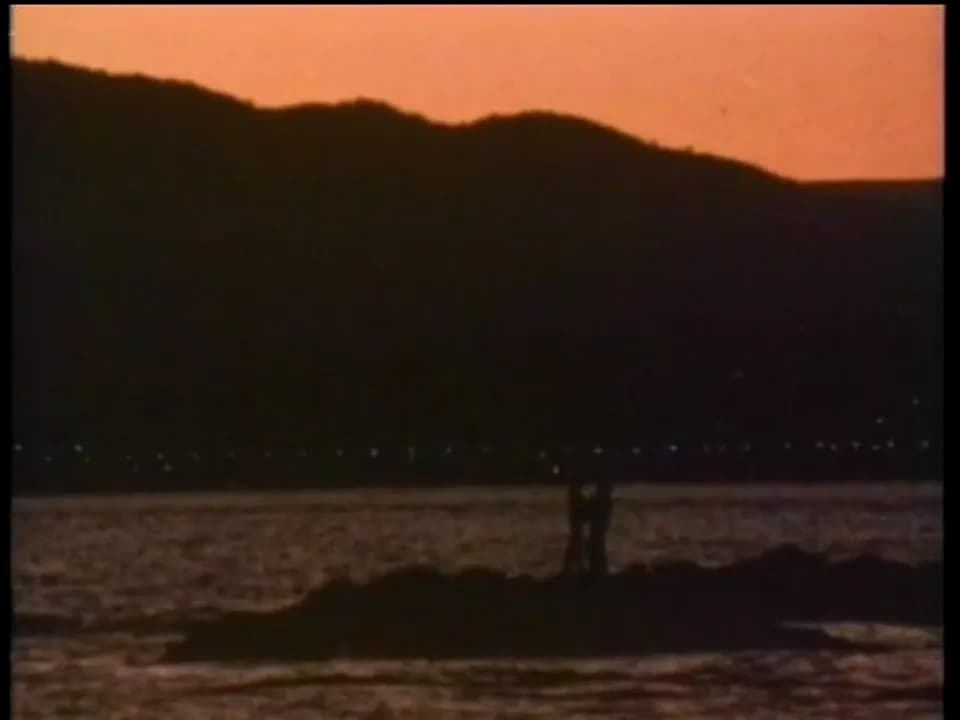
  8. 14The endEvening. The smoke has gone, the sun sets over the sea, lights come on along the coast. A couple walks away hand in hand along the beach — surely Mireille and Robert, off to new adventures.Starts at 26:20

Key phrases, with Hindi and Punjabi pronunciation

Real lines from this episode, written the way they sound in Latin letters, Devanagari and Gurmukhi.

  • Ne te retourne pas.Don't turn around.
    nuh tuh ruh-TOORN PAनअ तअ ग़अ-तूग़्न पाਨਅ ਤਅ ਗ਼ਅ-ਤੂਗ਼੍ਨ ਪਾ
  • Rien, mais je viens de voir un type que j'ai déjà vu ailleurs.Nothing, but I've just seen a guy I've seen somewhere before.
    rya(n), may zhuh vya(n) duh VWAR a(n) TEEP kuh zhay day-ZHA vü a-YUHRग़्यँ, मे झ़अ व्यँ दअ वुआग़ अँ तीप कअ झ़े दे-झ़ा vü आ-यअग़ਗ਼੍ਯੰ, ਮੇ ਝ਼ਅ ਵ੍ਯੰ ਦਅ ਵੁਆਗ਼ ਅੰ ਤੀਪ ਕਅ ਝ਼ੇ ਦੇ-ਝ਼ਾ vü ਆ-ਯਅਗ਼
  • Il faut partir tout de suite.We have to leave right away.
    eel foh par-TEER toot SWEETईल फ़ो पाग़-तीग़ तूत स्वीतਈਲ ਫ਼ੋ ਪਾਗ਼-ਤੀਗ਼ ਤੂਤ ਸ੍ਵੀਤ
  • Ça, ça doit être Chinon.That must be Chinon.
    SA, sa dwa ETR shee-NO(N)सा, सा दुआ एत्ग़ शी-नोँਸਾ, ਸਾ ਦੁਆ ਏਤ੍ਗ਼ ਸ਼ੀ-ਨੋਂ
  • Je suis bien contente que tu aies été là.I'm so glad you were there.
    zhuh swee bya(n) ko(n)-TA(N)T kuh tü ay ay-TAY LAझ़अ स्वी ब्यँ कोँ-ताँत कअ tü ए ए-ते लाਝ਼ਅ ਸ੍ਵੀ ਬ੍ਯੰ ਕੋਂ-ਤਾਂਤ ਕਅ tü ਏ ਏ-ਤੇ ਲਾ

Sounds to master in this episode

French sounds explained through the Hindi and Punjabi sounds you already make, with real lines from the episode to copy.

  • The gn of espagnol/ɲ/

    न्यਨ੍ਯ

    gn = the ny sound in canyon, like Hindi न्य / ਨ੍ਯ: il cligne des yeux, se peigner, Avignon, la montagne. One smooth sound, not g + n.

    • Il a un tic dans les yeux : il cligne constamment des yeux.He has a twitch in his eyes: he blinks all the time.
    • arrête de se peigner un instant.stops combing her hair for a moment.
  • The ü of tu/y/

    ई + ऊ के होंठਈ + ਊ ਦੇ ਬੁੱਲ੍ਹ

    French u (ü): say ee with rounded lips. You hear it all through the chase: Tu es sûr ? Je suis complètement perdu. En Turquie. Don't let it slide to oo — perdu is not perdoo.

    • Tu es sûr ? Oui.Are you sure? — Yes.
    • Non, je suis complètement perdu.No, I'm completely lost.

Grammar patterns in this episode

Each pattern comes from real lines in the episode. Here is the short version; in the course you notice it in the video first, then drill it.

  1. 1Ça doit être Chinon — devoir for a good guess

    devoir + infinitive doesn't only mean have to. It also makes a confident guess: ça doit être Chinon = that must be Chinon. For a guess about the past, use the passé composé: ils ont dû se tromper = they must have made a mistake.

    From the episode

    Ça, ça doit être Chinon.

    That must be Chinon.

    Hindi and Punjabi link

    Hindi and Punjabi guess with the future: यह चिनों होगा / ਇਹ ਚਿਨੋਂ ਹੋਵੇਗਾ (that will be Chinon), वे भटक गए होंगे (they must have got lost). French uses devoir for the same job.

  2. 2Contente que tu aies été là — the past subjunctive

    After feelings (je suis contente que…, ça m'étonnerait que…) and after avant que, French uses the subjunctive. When the thing is already done, use the past subjunctive: subjunctive of avoir (or être) + past participle — que tu aies été là, avant que le pilote ait compris. For a thing still to happen, the present subjunctive is enough: avant qu'on parte.

    From the episode

    Je suis bien contente que tu aies été là.

    I'm so glad you were there.

  3. 3J'aurais aimé… — would have (past conditional)

    To talk about what would have happened (but didn't), use the past conditional: conditional of avoir (aurais, aurait, aurions, auriez, auraient) + past participle. J'aurais aimé vivre à cette époque = I would have liked to live then. Ça aurait pu être plus grave = it could have been worse.

    From the episode

    J'aurais aimé vivre à cette époque. Tu te sens une vocation pour le bûcher ?

    I would have liked to live in those days. — You feel a calling for the stake?

    Hindi and Punjabi link

    Hindi and Punjabi say would have with the -ता form: मुझे उस ज़माने में रहना अच्छा लगता / ਮੈਨੂੰ ਉਸ ਜ਼ਮਾਨੇ ਵਿੱਚ ਰਹਿਣਾ ਚੰਗਾ ਲੱਗਦਾ = j'aurais aimé vivre à cette époque.

Words you will meet

Each word is written the way it sounds in Devanagari and Gurmukhi.

  • le lendemainm.the next dayलअ लाँद-माँਲਅ ਲਾਂਦ-ਮਾਂ
  • un endroitm.a spot, a placeअँ-नाँ-द्ग़ुआਅੰ-ਨਾਂ-ਦ੍ਗ਼ੁਆ
  • un croisementm.a crossroadsअँ क्ग़ुआज़-माँਅੰ ਕ੍ਗ਼ੁਆਜ਼-ਮਾਂ
  • ça revient au mêmeit comes to the sameसा ग़अ-व्यँ ओ मैमਸਾ ਗ਼ਅ-ਵ੍ਯੰ ਓ ਮੈਮ
  • un pompierm.a firefighterअँ पोँ-प्येਅੰ ਪੋਂ-ਪ੍ਯੇ
  • le casquem.the helmetलअ कास्कਲਅ ਕਾਸ੍ਕ
  • se garerto parkसअ गा-ग़ेਸਅ ਗਾ-ਗ਼ੇ
  • ailleurssomewhere elseआ-यअग़ਆ-ਯਅਗ਼
  • pique-niquerto have a picnicपीक-नी-केਪੀਕ-ਨੀ-ਕੇ
  • Ne te retourne pas !Don't turn around!नअ तअ ग़अ-तूग़्न पाਨਅ ਤਅ ਗ਼ਅ-ਤੂਗ਼੍ਨ ਪਾ
  • cligner des yeuxto blinkक्ली-न्ये दे ज़्यअਕ੍ਲੀ-ਨ੍ਯੇ ਦੇ ਜ਼੍ਯਅ
  • dinguecrazy, nutsदाँगਦਾਂਗ

Plus 19 more words in the lesson, each with its pronunciation.

Practice in all four skills

Listening, speaking, reading and writing: the four skills TEF Canada and TCF Canada score. Every task is built from this episode's own lines.

  • Listening

    7 dictation lines cut from the video: hear it, type it, check every accent.

    A line you will write down

    Ne te retourne pas.

    Don't turn around.

  • Speaking

    Shadow 7 lines after the actors, answer 6 questions aloud, then a short role-play with Fred Barzyk.

    How the role-play opens

    Excusez-moi, je ne me suis pas présenté. Fred Barzyk, cinéaste. Ça fait un mois que je cherche à vous aborder…

    Excuse me, I haven't introduced myself. Fred Barzyk, filmmaker. I've been trying to approach you for a month…

  • Reading

    A short story, “Tout est bien qui finit bien”, retold with this episode's words, then 5 questions on it.

    The story starts

    Le matin du départ, les cinq amis se retrouvent place Vavin.

  • Writing

    7 fill-in sentences, 4 sentences to build and 2 short writing tasks with feedback.

    A writing task

    The story is over. Imagine Mireille and Robert five years later: where do they live, what do they do, are they still together? (The Workbook's last exercise asks exactly this.)

Then a self-test of 7 questions to finish the episode, and new words go into your review deck.

Culture notes

Jeanne d'Arc in Rouen

Jeanne d'Arc (Joan of Arc, 1412–1431) was a peasant girl who heard voices telling her to save France from the English. At 17 she led an army and got Charles VII crowned in Reims. Captured and tried in Rouen, she was burned at the stake on the Place du Vieux-Marché in 1431. She was made a saint in 1920.

Hindi and Punjabi linkThink of Rani Lakshmibai of Jhansi: a young woman who led troops against a foreign power and became a national heroine.

L'Hexagone

The French often call their country l'Hexagone — mainland France has roughly six sides. Robert and Mireille's crazy flight is a quick tour of it: Mont-Saint-Michel, the Loire châteaux, the volcanoes of the Massif central, Carcassonne, Nîmes, the Côte d'Azur, the Alps, the Camargue, the Pyrenees, Brittany, Paris, Alsace and Burgundy.

The TGV

The TGV (train à grande vitesse) began running between Paris and Lyon in 1981 — at the time of this film it ran at 270 km/h. Today TGVs reach about 320 km/h and link most big French cities. Lyon-Part-Dieu is Lyon's main TGV station.

Who is in it

  • Mireillethe heroine, who spots the man in black first
  • Robertthe American, pilot and fireman for a day
  • Hubertthe aristocrat, guide in Rouen
  • Jean-Michelthe left-winger at the wheel
  • Colettethe food lover with the restaurant guide
  • L'homme en noirthe mysterious man in black — revealed at last

Watch this episode in your free trial

Start with Episode 1 free in two taps. Add your email when you are ready and every episode, this one included, opens for 7 days. No card needed.

Start free with Episode 1

What you get

  • Warm-up, tap-to-translate captions, words & patterns, practice
  • Hindi and Punjabi pronunciation help
  • Printable watch guide, master guide, transcript, textbook, and workbook
  • New words saved to your spaced review deck