French

Part 6 · Epilogue

Episode 48: Quelle horreur!

Geography and Tourism III

  • 29 min video
  • About 80 min with practice
  • A2–B1

The friends meet at the Belleaus' with guides, maps and regional sweets. Mireille wants Ouessant, Hubert wants to do France by boat, Jean-Michel wants the real France of the workers — and Hubert thinks the whole world copies France. Meanwhile the man in black brings back some mysterious boules de gomme. Learn to say je m'en fiche, si… + future, and le mien, la nôtre.

Start with Episode 1 free in two taps. Add your email when you are ready and every episode, this one included, opens for 7 days. No card needed.

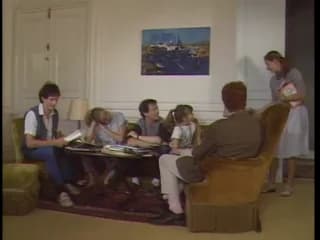
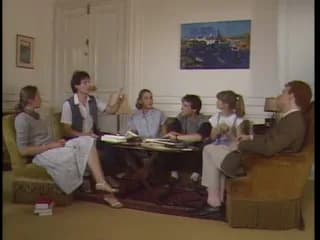
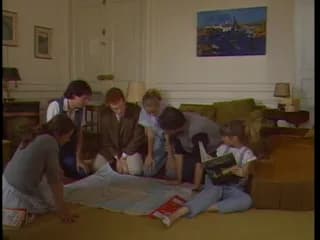
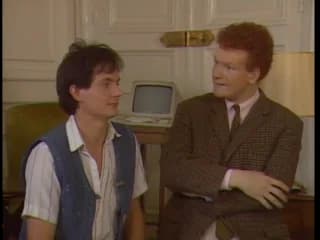
A scene from French in Action episode 48, Quelle horreur!
minutes of video
29
CEFR level
A2–B1
key words
33
grammar patterns
4

By the end you can

  • set conditions with si + future: Si vous ne voulez pas m'emmener, je partirai toute seule.
  • say you don't care (casually): Je m'en fiche, ça m'est égal.
  • say whose it is with le mien, la mienne, la nôtre: Ce ne sont pas les miennes.
  • talk about a trip by water: On remonte la Seine, puis on prend le canal… La Seine se jette dans la Manche.
  • react to a joke or a boast: C'est moi que vous voulez mener en bateau ? — Ça, c'est à voir !

Listen out for

Five things to notice the first time you watch. Spotting them is half the lesson.

  • Colette's sweets: one for each town — madeleines de Commercy, berlingots de Carpentras, nougat de Montélimar, bêtises de Cambrai.
  • Si vous m'emmenez… sinon, je garde tout — Marie-Laure's deal.
  • The route by water: la Garonne, le canal du Midi… la Seine, la Marne, la Saône, le Rhône.
  • Why Mireille won't sail at Villequier — a true story about Victor Hugo.
  • Hubert's list of French inventions — and Jean-Michel's word for him: chauvin.
  • The man in black's boules de gomme: whose are they?

Scene by scene

The episode in 21 short scenes, with the time each one starts in the video.

  1. Starts at 0:00

    1.Previously, and the titles

    The English introduction: the friends keep planning their trip, Hubert and Jean-Michel argue about the real France, and the man in black comes back with gumdrops.

  2. Starts at 1:07

    2.Everyone arrives

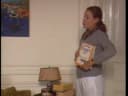
    The next day at the Belleaus'. Hubert arrives first with a book on châteaux; then Colette and Jean-Michel. Colette is loaded down with guides — and sweets for Marie-Laure.

  3. Starts at 2:09

    3.Marie-Laure's conditions

    Marie-Laure will share the sweets only if they take her along. They can't — so she threatens to leave on her own. Then she offers sweets to everyone.

  4. Starts at 3:14

    4.France by boat?

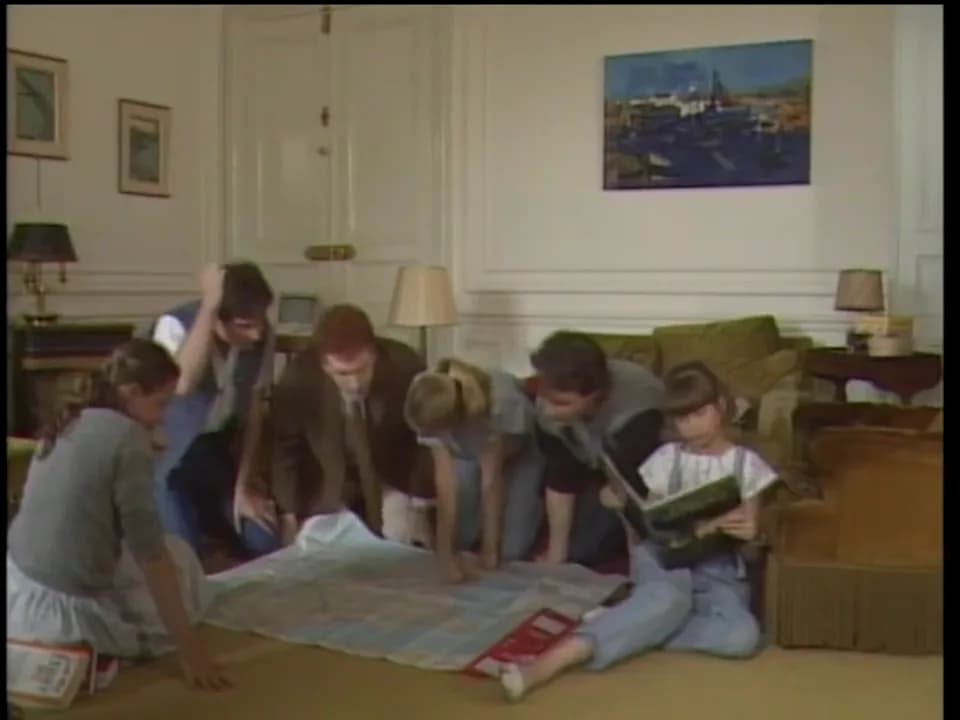
    Mireille now wants Ouessant. They put the map on the floor. Hubert proposes doing France by boat — Robert thinks it's a joke. Jean-Michel refuses to swim in cold seas.

  5. Starts at 4:40

    5.From the Channel to the Mediterranean

    Robert sees how to follow the coast, but not how to reach the Mediterranean. Hubert: up the Garonne and through the Canal du Midi — or up the Seine, the Marne, the Saône and down the Rhône to Marseille.

  6. Starts at 5:42

    6.Victor Hugo's daughter

    Hubert offers his family's sailboat at Villequier. Mireille refuses: Victor Hugo's daughter drowned there. Jean-Michel won't tour on a rich kid's yacht either.

Show the other 15 scenes
  1. 7The France that worksJean-Michel wants to see the workers: steelworks, mines, Michelin, Airbus, Renault, Bic pens. Hubert: robots make the Renaults — and Bic pens are hardly progress.Starts at 6:44
  2. 8The whole world copies usHubert praises the Rance tidal power plant — the Russians copied it! Then he lists French inventions, from pasteurization to love and freedom. Jean-Michel: such chauvinism!Starts at 7:28
  3. 9The solar furnaceJean-Michel's own pride: the solar installations in the Pyrénées-Orientales, where a furnace melted metal in the blink of an eye.Starts at 8:24
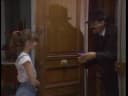
  4. 10The man in blackThe bell rings. Marie-Laure opens: it's the man in black, the nun's brother. He brought back 'her' gumdrops — but they weren't hers. Nobody understands.Starts at 8:52
  5. 11Six o'clock sharpIt's five o'clock, everyone has to go. Marie-Laure goes to the garden: back at six sharp, and if she's good, they'll go to the movies.Starts at 10:08
  6. 12Loaded down and spoiledThe teacher replays the story: Colette is chargée; the guides (red and green Michelin) and the sweets of each town; Colette and Uncle Guillaume spoil Marie-Laure.Starts at 10:50
  7. 13Goûter, emmener, je m'en ficheTasting (goûter), taking along (emmener), not caring (je m'en fiche) and talking nonsense (dire des bêtises).Starts at 12:41
  8. 14Offrir and mener en bateauGiving gifts (offrir), then: is Hubert pulling Robert's leg? Marie-Laure loves pulling people's legs. No — Hubert is serious: 5,000 km of coast!Starts at 14:43
  9. 15Frileux, and the canalsJean-Michel is frileux; the Russians swim among ice floes. Then the route through the Canal du Midi, built in the 17th century.Starts at 16:51
  10. 16Four great riversThe four fleuves and where they flow: the Seine, the Loire, the Garonne, the Rhône. Then the route from the Channel to Marseille again.Starts at 18:26
  11. 17Drowning and a guilty conscienceAvoir peur de se noyer, la fleur de l'âge, Victor Hugo's daughter again, and mauvaise conscience — which Marie-Laure doesn't have.Starts at 19:41
  12. 18Workers, robots and chauvinismThe real France of the workers; robots; the tidal plant; c'est à voir / c'est tout vu; and Hubert the chauvin.Starts at 21:03
  13. 19Fondre and sidéréButter, ice and chocolate melt easily — metals don't. Jean-Michel was sidéré by the solar furnace.Starts at 23:08
  14. 20Your turn: be MireilleThe gumdrop story again — and now you play Mireille's part.Starts at 24:08
  15. 21Questions and il faut que je parteQuick questions about the story, then a little sketch: je pars, but il faut que je parte.Starts at 25:20

Key phrases, with Hindi and Punjabi pronunciation

Real lines from this episode, written the way they sound in Latin letters, Devanagari and Gurmukhi.

  • Mais tu es bien chargée, qu'est-ce que tu apportes ?You've got your hands full! What are you bringing?
    may tü ay BYA(N) shar-ZHAY, kes-kuh tü a-PORT?मे tü ए ब्याँ शाग़-झ़े, केस-कअ tü आ-पोग़त?ਮੇ tü ਏ ਬ੍ਯਾਂ ਸ਼ਾਗ਼-ਝ਼ੇ, ਕੇਸ-ਕਅ tü ਆ-ਪੋਗ਼ਤ?
  • Si vous ne voulez pas m'emmener, je partirai toute seule.If you won't take me, I'll go off all by myself.
    see voo nuh voo-LAY pa ma(n)m-NAY, zhuh par-tee-RAY toot SUHLसी वू नअ वू-ले पा माँम-ने, झ़अ पाग़-ती-ग़े तूत सअलਸੀ ਵੂ ਨਅ ਵੂ-ਲੇ ਪਾ ਮਾਂਮ-ਨੇ, ਝ਼ਅ ਪਾਗ਼-ਤੀ-ਗ਼ੇ ਤੂਤ ਸਅਲ
  • Faisons la France en bateau.Let's do France by boat.
    fuh-ZOH(N) la FRAHNS a(n) ba-TOHफ़अ-ज़ोँ ला फ़्ग़ाँस आँ बा-तोਫ਼ਅ-ਜ਼ੋਂ ਲਾ ਫ਼੍ਗ਼ਾਂਸ ਆਂ ਬਾ-ਤੋ
  • C'est moi que vous voulez mener en bateau ?Are you trying to pull my leg?
    say MWA kuh voo voo-LAY muh-NAY a(n) ba-TOH?से मुआ कअ वू वू-ले मअ-ने आँ बा-तो?ਸੇ ਮੁਆ ਕਅ ਵੂ ਵੂ-ਲੇ ਮਅ-ਨੇ ਆਂ ਬਾ-ਤੋ?
  • Eh, minute, j'ai pas envie d'aller me noyer à la fleur de l'âge !Hey, wait a minute, I don't feel like drowning in the prime of life!
    ay mee-NÜT, zhay pa a(n)-VEE da-LAY muh nwa-YAY a la FLUHR duh LAHZHए मी-nüत, झ़े पा आँ-वी दा-ले मअ नुआ-ये आ ला फ़्लअग़ दअ लाझ़ਏ ਮੀ-nüਤ, ਝ਼ੇ ਪਾ ਆਂ-ਵੀ ਦਾ-ਲੇ ਮਅ ਨੁਆ-ਯੇ ਆ ਲਾ ਫ਼ਲਅਗ਼ ਦਅ ਲਾਝ਼

Sounds to master in this episode

French sounds explained through the Hindi and Punjabi sounds you already make, with real lines from the episode to copy.

  • The ou of vous/u/

    ऊਊ

    ou is a tight, rounded oo, like ऊ / ਊ: boules, goûter, voulez, toute, ours. Keep it different from u (tü): toute vs tu.

    • Il me rapportait mes boules de gomme.He was bringing back my gumdrops.
    • J'espère qu'elle nous en laissera goûter un peu.I hope she'll let us taste a little.
  • The oi of moi/wa/

    वा (वुआ)ਵਾ (ਵੁਆ)

    oi sounds wa — उआ / ਉਆ: voilier, voile, moi, voir. And oy in noyer is wa-y: nwa-YAY.

    • Ma famille a un petit voilier à Villequier.My family has a little sailboat at Villequier.
    • Mireille a peur de se noyer.Mireille is afraid of drowning.

Grammar patterns in this episode

Each pattern comes from real lines in the episode. Here is the short version; in the course you notice it in the video first, then drill it.

  1. 1Si tu es sage, on ira au cinéma — si + present, then future

    To set a condition about the future, French puts the present after si and the future in the result: si tu es sage, on ira au cinéma. Never the future right after si. The result can also be a command or a present: si vous m'emmenez, d'accord ; sinon, je garde tout. Sinon = otherwise.

    From the episode

    Si vous ne voulez pas m'emmener, je partirai toute seule.

    If you won't take me, I'll go off all by myself.

  2. 2Ce ne sont pas les miennes — le mien, la nôtre (mine, ours)

    Le mien = mine. It replaces mon/ma/mes + noun and takes the gender and number of the thing, not of the owner: mes boules de gomme (f. pl.) → les miennes; notre usine (f.) → la nôtre. Forms: le mien, la mienne, les miens, les miennes — same for tien (yours, casual) and sien (his/hers). For nous, vous, eux: le/la nôtre, le/la vôtre, le/la leur, plural les nôtres, les vôtres, les leurs.

    From the episode

    Mais j'ai vu que ce n'était pas les miennes.

    But I saw they weren't mine.

    Hindi and Punjabi link

    Like Hindi मेरा / मेरी / मेरे, the ending follows the thing, not the owner: a boy says la mienne about his car, just as he says मेरी गाड़ी. Only difference: French adds le / la / les.

  3. 3Je m'en fiche, il s'en fiche — not caring, in every person

    S'en ficher (casual) = not to care. Two little words come before the verb: the reflexive pronoun (me, te, se, nous, vous, se) and en (= about it). Je m'en fiche, tu t'en fiches, il s'en fiche, nous nous en fichons, vous vous en fichez, ils s'en fichent. To say about what, use de: je me fiche de la télé. Polite equivalent: ça m'est égal.

    From the episode

    Je m'en fiche, ça m'est égal.

    I don't care, it's all the same to me.

  4. 4Je pars, mais il faut que je parte

    You met il faut que + subjunctive with faire, aller, voir. Partir works the same way: take the ils form partent, drop -ent, add the endings: que je parte, que tu partes, qu'il parte, que nous partions, que vous partiez, qu'ils partent. Plain statement → je pars; after il faut que → je parte.

    From the episode

    Mais il est cinq heures ! Il faut que je parte.

    But it's five o'clock! I have to go.

Words you will meet

Each word is written the way it sounds in Devanagari and Gurmukhi.

  • chargéloaded down (with things)शाग़-झ़ेਸ਼ਾਗ਼-ਝ਼ੇ
  • gâterto spoil (a child)गा-तेਗਾ-ਤੇ
  • goûterto tasteगू-तेਗੂ-ਤੇ
  • emmenerto take (someone) alongआँम-नेਆਂਮ-ਨੇ
  • je m'en ficheI don't careझ़अ माँ फ़ीशਝ਼ਅ ਮਾਂ ਫ਼ੀਸ਼
  • une bêtisef.a silly thing, nonsenseün बे-तीज़ün ਬੇ-ਤੀਜ਼
  • mener en bateauto pull someone's legमअ-ने आँ बा-तोਮਅ-ਨੇ ਆਂ ਬਾ-ਤੋ
  • plaisanterto jokeप्ले-ज़ाँ-तेਪ੍ਲੇ-ਜ਼ਾਂ-ਤੇ
  • se moquer deto make fun ofसअ मो-के दअਸਅ ਮੋ-ਕੇ ਦਅ
  • se baignerto go swimmingसअ बे-न्येਸਅ ਬੇ-ਨ੍ਯੇ
  • frileuxsensitive to the coldफ़्ग़ी-लअਫ਼੍ਗ਼ੀ-ਲਅ
  • la côtef.the coastला कोतਲਾ ਕੋਤ

Plus 21 more words in the lesson, each with its pronunciation.

Practice in all four skills

Listening, speaking, reading and writing: the four skills TEF Canada and TCF Canada score. Every task is built from this episode's own lines.

  • Listening

    8 dictation lines cut from the video: hear it, type it, check every accent.

    A line you will write down

    Faisons la France en bateau.

    Let's do France by boat.

  • Speaking

    Shadow 8 lines after the actors, answer 6 questions aloud, then a short role-play with Mireille.

    How the role-play opens

    Tu sais très bien qu'on ne peut pas t'emmener. Tu iras à Saint-Jean-de-Luz avec papa et maman.

    You know very well we can't take you. You'll go to Saint-Jean-de-Luz with Mom and Dad.

  • Reading

    A short story, “A boat trip across France?”, retold with this episode's words, then 5 questions on it.

    The story starts

    Le lendemain, les amis se retrouvent chez les Belleau.

  • Writing

    7 fill-in sentences, 4 sentences to build and 2 short writing tasks with feedback.

    A writing task

    Your friends are planning a trip and don't want to take you. Write what you say: your conditions, what you'll do if they refuse.

Then a self-test of 7 questions to finish the episode, and new words go into your review deck.

Culture notes

One town, one sweet

French towns are proud of their specialities: madeleines de Commercy (little shell-shaped cakes, Lorraine), berlingots de Carpentras (striped hard candies, Provence), nougat de Montélimar (honey and almonds, Rhône valley) and bêtises de Cambrai (mint sweets from the North — une bêtise is also 'a silly mistake').

Hindi and Punjabi linkLike Agra ka petha, Mathura ke pede or Amritsari papad: you bring them back for the children.


Michelin red, Michelin green

The guide Michelin rouge lists hotels and restaurants and gives the famous stars (une, deux, trois étoiles). The guide Michelin vert is a tourist guide to regions and monuments. Gault et Millau is another restaurant guide. Yes — the same Michelin that makes the tyres Jean-Michel wants to see.

France by water

France has four great fleuves: the Seine (into the Channel), the Loire and the Garonne (into the Atlantic) and the Rhône (into the Mediterranean), plus many rivières and canaux. The canal du Midi, dug in the 17th century under Louis XIV, links the Garonne to the Mediterranean. Il n'y a plus de Pyrénées is a saying attributed to Louis XIV when his grandson became king of Spain.

Who is in it

  • Mireillewants to go to Ouessant — but not to drown
  • Hubertwants to do France by boat — and is very proud of France
  • Jean-Michelwants to see the France that works
  • Robertthinks Hubert is pulling his leg
  • Colettearrives loaded with guides and sweets
  • Marie-LaureMireille's little sister, with conditions
  • L'homme en noirthe mysterious man at the door

Watch this episode in your free trial

Start with Episode 1 free in two taps. Add your email when you are ready and every episode, this one included, opens for 7 days. No card needed.

Start free with Episode 1

What you get

  • Warm-up, tap-to-translate captions, words & patterns, practice
  • Hindi and Punjabi pronunciation help
  • Printable watch guide and master guide
  • New words saved to your spaced review deck

Coming up next

Episode 49 — Variété et richesse. More geography and tourism: the friends keep exploring the variety and riches of France before they leave.