French

Part 6 · Epilogue

Episode 50: Revue et défilé

Geography and Tourism V

  • 29 min video
  • About 80 min with practice
  • A2–B1

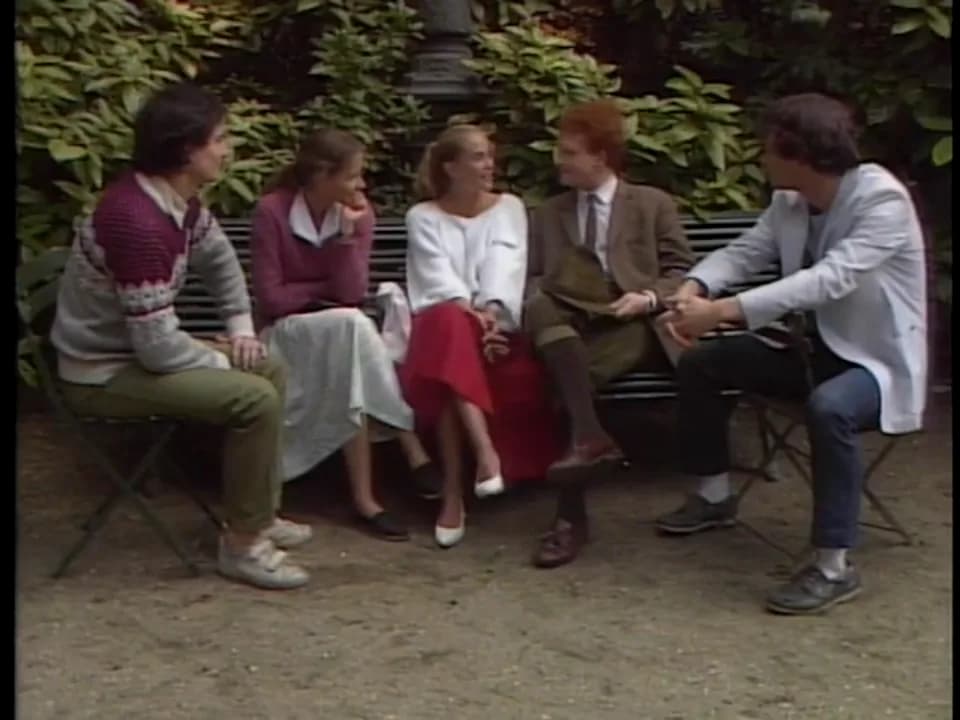
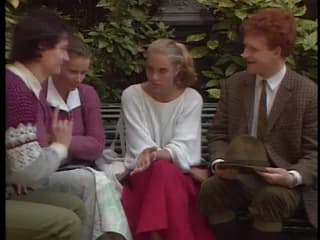
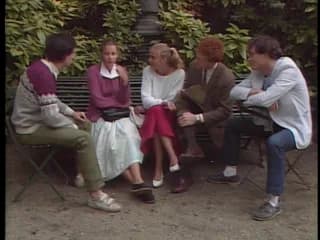
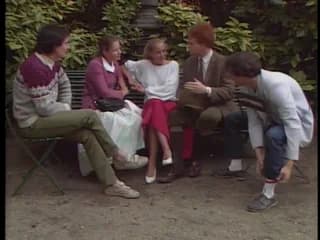
The five friends meet in the little square at Saint-Germain to choose a theme for their trip. Châteaux? Churches? Colette votes for cheese and tripe, Mireille for Brittany's âme, and Hubert swears il y a de tout en France — even rice. Robert laughs: Du riz ? Je ris ! Learn to doubt politely (je doute que vous ayez…), to say il n'y a pas que ça dans la vie, and to end any argument with Qu'à cela ne tienne !

Start with Episode 1 free in two taps. Add your email when you are ready and every episode, this one included, opens for 7 days. No card needed.

A scene from French in Action episode 50, Revue et défilé
minutes of video
29
CEFR level
A2–B1
key words
34
grammar patterns
3

By the end you can

  • doubt politely with the subjunctive: Je doute que vous ayez beaucoup de palmiers. Ça m'étonnerait que vous ayez du riz.
  • brush off a topic: C'est fini, on n'en parle plus. Parlons plutôt d'autre chose.
  • tell someone to change the subject: Tu ne penses qu'à ça ! Il n'y a pas que ça dans la vie.
  • say where things are and come from: en Bretagne, au Portugal, dans le Midi, à la Martinique, le café du Brésil
  • talk about French food regions: la France du beurre, de l'huile, de la graisse — du vin, de la bière, du cidre
  • turn an obstacle into a plan: J'en boirais bien une bouteille. — Qu'à cela ne tienne !

Listen out for

Five things to notice the first time you watch. Spotting them is half the lesson.

  • Friendly insults: l'Aristo, Crapule, l'Amerloque. Who calls whom what?
  • Every region turns into food for Colette. Count her cheeses, sausages and sweets.
  • Je doute que vous ayez…, Ça m'étonnerait que vous ayez…, Admettons que vous ayez… — Robert doubts in the subjunctive.
  • Two puns: les eaux / les os and du riz / je ris.
  • Three ways to cut France in three: butter/oil/fat, and wine/beer/cider.
  • Qu'à cela ne tienne ! — how the argument ends.

Scene by scene

The episode in 17 short scenes, with the time each one starts in the video.

  1. Starts at 0:00

    1.Titles and preview

    The series introduction and an English preview: the five travellers argue about a theme for their trip and end up at a café.

  2. Starts at 1:06

    2.Salut, l'Aristo !

    In the little square near Saint-Germain-des-Prés, Jean-Michel and Hubert trade nicknames (l'Aristo, Crapule). Robert swaggers in, then Colette, then Mireille, back from her exam — which she refuses to discuss.

  3. Starts at 2:02

    3.Un fil conducteur

    Jean-Michel wants a theme. Châteaux? Romanesque churches? Colette proposes a systematic tour of French cheeses and cold meats — Normandy's camembert, rillettes, andouille, tripe. Hubert is horrified; Mireille has had enough.

  4. Starts at 2:57

    4.Normandie ou Bretagne ?

    For Mireille, Normandy is too rich and fatty, enfoncé dans la matière grasse; Brittany has a soul: calvaries, pardons, women in lace headdresses. Colette lists crêpes and oysters, and Hubert and Jean-Michel quarrel: lobster à l'armoricaine or à l'américaine?

  5. Starts at 3:41

    5.Spécialités et artisanat

    Colette wants a tour of regional dishes; Hubert adds porcelain, pottery, tapestries and lace. Colette prefers pelota and Basque chicken; Hubert slips in a compliment (le poulet Mireille), and Mireille's uncle prefers Auvergne ham. Hubert: in Auvergne it's the waters — les os de jambon ?

  6. Starts at 4:44

    6.Volcans et palmiers

    Spa towns and volcanoes — all extinct, luckily: France is the land of reason, not cataclysms. Robert doubts there are many palm trees; Hubert: il y a de tout en France — cedars, fir and pine forests, cork oaks, wheat, corn, rice.

Show the other 11 scenes
  1. 7Du riz ? Je ris !Robert laughs at the idea of French rice, but Jean-Michel backs Hubert: the Camargue has rice, wild horses, bulls, cowboys and flamingos. Sugar cane? In Martinique. Coffee? Le café au lait au lit ! Olive trees? In the South — for olive oil, aïoli and mayonnaise.Starts at 6:24
  2. 8La Gaule en trois partiesButter, oil or fat? Hubert remembers his Latin: Gallia omnis divisa est in partes tres — butter France, oil France, fat France. Jean-Michel mocks him: it's wine, beer and cider. Colette wants a bottle of cider. Qu'à cela ne tienne ! — off to the Deux Magots.Starts at 7:25
  3. 9L'Aristo, Crapule, l'AmerloqueThe teacher replays the meeting: l'Aristo (the aristocrat), Crapule (crook — little skits of kidnappers, burglars, bank robbers) and l'Amerloque (the Yank) who arrives en roulant des mécaniques.Starts at 8:36
  4. 10Ça s'est bien passé ?Mireille and Véronique took an exam — one passed (reçue), one failed (collée). Things go well (ça se passe bien) or badly (ça s'est mal passé). Mireille: n'en parlons plus. Then plans: gangsters, engineers, and Jean-Michel, who won't leave au hasard.Starts at 10:39
  5. 11Roman ou gothique ? La bouffeA guiding thread, like Ariadne's for Theseus. Romanesque or Gothic churches? Then Normandy's cows, cream, cheese, andouille, rillettes and tripe — and la bouffe, which the French always care about. Il n'y a pas que ça dans la vie.Starts at 12:41
  6. 12Enfoncé dans la matièreLean and fatty meat, 45 % fat cheese, nails driven in, a cork pushed into the bottle, Marie-Laure sunk in the sofa: Normandy is enfoncé dans la matière grasse. Brittany is austere, mystical — un pays qui a de l'âme: body and soul, calvaries, headdresses and pardons.Starts at 15:16
  7. 13Crêpes et homardThe teacher's Breton crêpes (with everything — a pizza!), then the lobster quarrel replayed: à l'armoricaine or à l'américaine? Tu es tombé sur la tête ! Even cookbooks disagree. Regional specialties: cassoulet, choucroute, fondue, calissons.Starts at 17:19
  8. 14Galant, les eaux, la douceurCrafts from Limoges to the Basque Country; Hubert is galant (fraîche comme une rose). Auvergne: mineral and thermal waters, spa towns, extinct volcanoes. In France people love la douceur — not the furies of nature: ce n'est pas notre genre. A palm that sways (se balance).Starts at 18:42
  9. 15Il y a de toutPalm trees on the Riviera, no sequoias (too big!), cedars brought back by Jussieu, firs, pines, cork oaks for wine corks, wheat, corn — and rice. Du riz ? Je ris ! — but there is: the Camargue, its gardians and flamingos.Starts at 21:37
  10. 16À vous : café, olives, CésarCoffee and olive trees: the learner plays Mireille (Le café au lait au lit…, Mais oui, évidemment qu'on en a…). Then butter, oil and fat cooking, Caesar's Gaul, wine, beer and cider — and Qu'à cela ne tienne ! explained.Starts at 23:29
  11. 17Observez, réfléchissez et parlezQuick review: Romanesque or Gothic? What interests Colette? Wheat, rice or corn? What do you say to Colette? Then the teacher spots the subjunctive: je doute que vous ayez… ça m'étonnerait que vous ayez…Starts at 25:47

Key phrases, with Hindi and Punjabi pronunciation

Real lines from this episode, written the way they sound in Latin letters, Devanagari and Gurmukhi.

  • C'est fini, on n'en parle plus.It's over, let's not talk about it any more.
    say fee-NEE, o(n) na(n) parl PLÜसे फ़ी-नी, ओँ नाँ पाग़्ल plüਸੇ ਫ਼ੀ-ਨੀ, ਓਂ ਨਾਂ ਪਾਗ਼੍ਲ plü
  • Il n'y a pas que ça dans la vie.There's more to life than that.
    eel nya pa kuh SA da(n) la VEEईल न्या पा कअ सा दाँ ला वीਈਲ ਨ੍ਯਾ ਪਾ ਕਅ ਸਾ ਦਾਂ ਲਾ ਵੀ
  • Voilà un pays qui a de l'âme.Now there's a region with a soul.
    vwa-LA uh(n) pay-EE kee a duh LAHMवुआ-ला अँ पे-ई की आ दअ लामਵੁਆ-ਲਾ ਅੰ ਪੇ-ਈ ਕੀ ਆ ਦਅ ਲਾਮ
  • Il y a de tout en France, mon cher.There's everything in France, my dear fellow.
    eel ya duh TOO a(n) FRA(N)S, mo(n) SHERईल या दअ तू आँ फ़्ग़ाँस, मोँ शैग़ਈਲ ਯਾ ਦਅ ਤੂ ਆਂ ਫ਼੍ਗ਼ਾਂਸ, ਮੋਂ ਸ਼ੈਗ਼
  • Mais je doute que vous ayez beaucoup de palmiers en France.But I doubt you have many palm trees in France.
    may zhuh DOOT kuh voo-zay-YAY bo-koo duh pal-MYAY a(n) FRA(N)Sमे झ़अ दूत कअ वू-ज़े-ये बो-कू दअ पाल-म्ये आँ फ़्ग़ाँसਮੇ ਝ਼ਅ ਦੂਤ ਕਅ ਵੂ-ਜ਼ੇ-ਯੇ ਬੋ-ਕੂ ਦਅ ਪਾਲ-ਮ੍ਯੇ ਆਂ ਫ਼੍ਗ਼ਾਂਸ

Sounds to master in this episode

French sounds explained through the Hindi and Punjabi sounds you already make, with real lines from the episode to copy.

  • The pure o of au/o/

    ओ (शुद्ध)ਓ (ਸ਼ੁੱਧ)

    The pure o — ओ / ਓ: eaux, os, au, pot, Bordeaux. Les eaux and les os are the same sound — that's Colette's joke. Round your lips and don't slide into ow.

    • Ce qu'il y a d'intéressant en Auvergne, ce sont les eaux.What's interesting in Auvergne is the waters.
    • Les os de jambon ?Ham bones?
  • The crisp i of il/i/

    ई (छोटा)ਈ (ਛੋਟਾ)

    The crisp i — ई / ਈ: riz, ris, rire, Midi, vie. Smile and keep it short and tight. Du riz ? Je ris ! — two words, one sound.

    • Du riz ? Je ris !Rice? I'm laughing!
    • Il n'y a pas que ça dans la vie.There's more to life than that.

Grammar patterns in this episode

Each pattern comes from real lines in the episode. Here is the short version; in the course you notice it in the video first, then drill it.

  1. 1Je doute que… + subjunctive of avoir — doubting politely

    Expressions of doubt or surprise — je doute que…, ça m'étonnerait que… — and admettons que… (let's suppose) take the subjunctive. Avoir is irregular: que j'aie, que tu aies, qu'il ait, que nous ayons, que vous ayez, qu'ils aient. aie, aies, ait, aient all sound like ai (ए). But certainty takes the indicative: je sais que vous avez…, je suis sûr que vous avez…

    From the episode

    mais je doute que vous ayez beaucoup de palmiers en France.

    but I doubt you have many palm trees in France.

    Hindi and Punjabi link

    Hindi does the same with doubt: मुझे नहीं लगता कि आपके पास … हों (hon, not hain) / Punjabi ਮੈਨੂੰ ਨਹੀਂ ਲੱਗਦਾ ਕਿ ਤੁਹਾਡੇ ਕੋਲ … ਹੋਣ. Doubt changes the verb form — French switches to the subjunctive.

  2. 2en, au, à la, dans le — saying where (and from where)

    Feminine countries and regions (most end in -e): en France, en Norvège, en Bretagne, en Camargue — and from: de Normandie, de Provence. Masculine countries: au Canada, au Portugal, au Japon (plural: aux États-Unis) — from: du Canada. Masculine regions and directions: dans le Midi, dans le Nord, dans le Kansas — from: du Midi, du Sud-Ouest. Some islands: à la Martinique, à la Guadeloupe — from: de la Martinique.

    From the episode

    Il y a de tout en France, mon cher.

    There's everything in France, my dear fellow.

    Hindi and Punjabi link

    Hindi uses one word, में (Bhārat mein, Canada mein). French picks the word by the gender of the place — so learn every country with its article: la Grèce → en Grèce, le Japon → au Japon.

  3. 3au beurre, à l'huile, à la graisse — 'made with, in the style of'

    à + article tells you what a dish is made with or in what style: à + le = au (au beurre, au lait), à la (à la graisse, à la crème), à l' before a vowel (à l'huile), à + les = aux (aux pommes). À l'américaine = à la mode américaine (American-style). The same contraction gives places: aux Deux Magots, au lit.

    From the episode

    Chez moi, on fait toute la cuisine au beurre.

    At home we do all the cooking with butter.

    Hindi and Punjabi link

    Like मक्खन वाला / ਮੱਖਣ ਵਾਲਾ: poulet au beurre is literally butter chicken! Paneer à la crème, dal au beurre…

Words you will meet

Each word is written the way it sounds in Devanagari and Gurmukhi.

  • une crapulef.a crook, a scoundrelün क्ग़ा-पülün ਕ੍ਗ਼ਾ-ਪül
  • rouler des mécaniquesto swaggerग़ू-ले दे मे-का-नीकਗ਼ੂ-ਲੇ ਦੇ ਮੇ-ਕਾ-ਨੀਕ
  • Ça s'est bien passé ?Did it go well?सा से ब्यँ पा-सेਸਾ ਸੇ ਬ੍ਯੰ ਪਾ-ਸੇ
  • au hasardat random, without a planओ आ-ज़ाग़ਓ ਆ-ਜ਼ਾਗ਼
  • un fil conducteurm.a guiding thread, a themeअँ फ़ील कोँ-dük-टअग़ਅੰ ਫ਼ੀਲ ਕੋਂ-dük-ਟਅਗ਼
  • roman / gothiqueRomanesque / Gothicग़ो-माँ / गो-टीकਗ਼ੋ-ਮਾਂ / ਗੋ-ਟੀਕ
  • la bouffef.grub, food (slang)ला बूफ़ਲਾ ਬੂਫ਼
  • embêterto bore, to annoyआँ-बै-टेਆਂ-ਬੈ-ਟੇ
  • Tu ne penses qu'à ça.That's all you think about.tü नअ पाँस का साtü ਨਅ ਪਾਂਸ ਕਾ ਸਾ
  • gras / grassefatty, greasyग्ग़ा / ग्ग़ासਗ੍ਗ਼ਾ / ਗ੍ਗ਼ਾਸ
  • maigrelean, thinमैग्ग़ਮੈਗ੍ਗ਼
  • enfoncésunk (deep) in, driven inआँ-फ़ोँ-सेਆਂ-ਫ਼ੋਂ-ਸੇ

Plus 22 more words in the lesson, each with its pronunciation.

Practice in all four skills

Listening, speaking, reading and writing: the four skills TEF Canada and TCF Canada score. Every task is built from this episode's own lines.

  • Listening

    8 dictation lines cut from the video: hear it, type it, check every accent. Plus 3 textbook audio drills.

    A line you will write down

    C'est fini, on n'en parle plus.

    It's over, let's not talk about it any more.

  • Speaking

    Shadow 8 lines after the actors, answer 6 questions aloud, then a short role-play with Hubert.

    How the role-play opens

    Il y a de tout en France, mon cher ! Vous ne me croyez pas ?

    There's everything in France, my dear fellow! Don't you believe me?

  • Reading

    A short story, “Three Frances — or more?”, retold with this episode's words, then 5 questions on it.

    The story starts

    Les amis se retrouvent dans le petit square de Saint-Germain-des-Prés.

  • Writing

    8 fill-in sentences, 5 sentences to build and 2 short writing tasks with feedback.

    A writing task

    A French friend doubts your country has something (snow, deserts, tea, rice…). Answer them: say where it is, and that there's a bit of everything in your country.

Then a self-test of 7 questions to finish the episode, and new words go into your review deck.

Culture notes

Saint-Germain-des-Prés

The meeting is in the little square by the church of Saint-Germain-des-Prés, the oldest church in Paris. Across the street: two legendary cafés, Les Deux Magots and le Café de Flore, where Sartre, Simone de Beauvoir and Hemingway wrote and argued. Prendre un pot aux Deux Magots is very Left Bank.

Hindi and Punjabi linkLike Delhi's Coffee House in Connaught Place — a café famous for its writers and endless debates.


Normandy and Brittany on a plate

Normandy: cows, cream, butter, camembert, pont-l'évêque, andouille de Vire, tripes à la mode de Caen and cider — rich food, trop gras for Mireille. Brittany: crêpes, huîtres de Cancale, lobster (homard à l'armoricaine — Armorique is Brittany's old name, though many say à l'américaine). Its calvaires (carved granite crosses) and pardons (processions, women in lace coiffes) give it de l'âme.

Il y a de tout en France

Hubert's inventory is real: palm trees on the Côte d'Azur, fir forests in the Vosges and Alps, pine forests of the Landes (resin and paper), cork oaks for wine corks, wheat, corn — and rice in the Camargue, the Rhône delta with white horses, black bulls, pink flamingos and cowboys called gardians. Sugar and rum come from la Martinique and la Guadeloupe, French Caribbean islands.

Hindi and Punjabi linkIndia too is un pays où il y a de tout: snow in Kashmir, desert in Rajasthan, tea in Assam, coconuts in Kerala.

Who is in it

  • Mireilleart-history student, just out of an exam
  • Robertthe American, swaggering and sceptical
  • Hubertaristocrat, proud of France's riches
  • Jean-Michelthe left-winger who wants a plan
  • ColetteMireille's friend, who thinks with her stomach

Watch this episode in your free trial

Start with Episode 1 free in two taps. Add your email when you are ready and every episode, this one included, opens for 7 days. No card needed.

Start free with Episode 1

What you get

  • Warm-up, tap-to-translate captions, words & patterns, practice
  • Hindi and Punjabi pronunciation help
  • Printable watch guide, master guide, transcript, and workbook
  • New words saved to your spaced review deck

Coming up next

Episode 51 — Tout est bien qui finit bien. Getting away: the friends finally set off on their trip — all's well that ends well?