The course
French in Action, rebuilt for Indian learners heading to Canada
The classic 52-episode story course that has taught French to millions — now with Hindi and Punjabi pronunciation help, tap-to-translate subtitles, AI practice and a spaced review deck. From your first bonjour to the B1–B2 level you need for NCLC 7.
Two taps, no form, no card. Add your email later for 7 days of all 52 episodes.
Browse all 52 episodes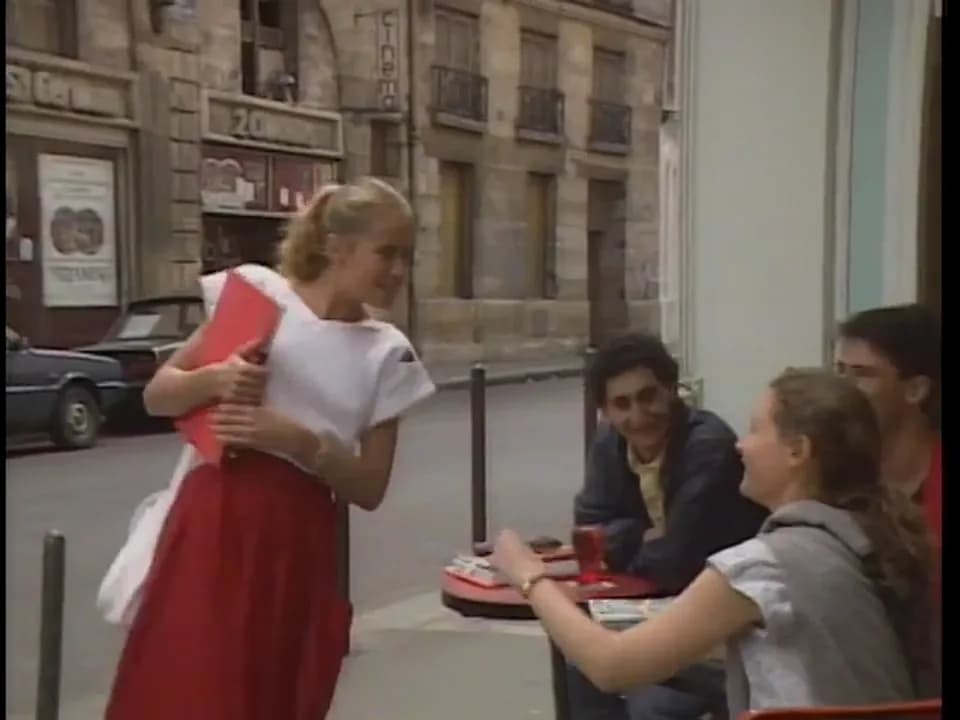

- episodes
- 52
- hours of video
- 25
- CEFR levels
- A1–B2
- free forever
- 2
What it is
What is the French in Action course?
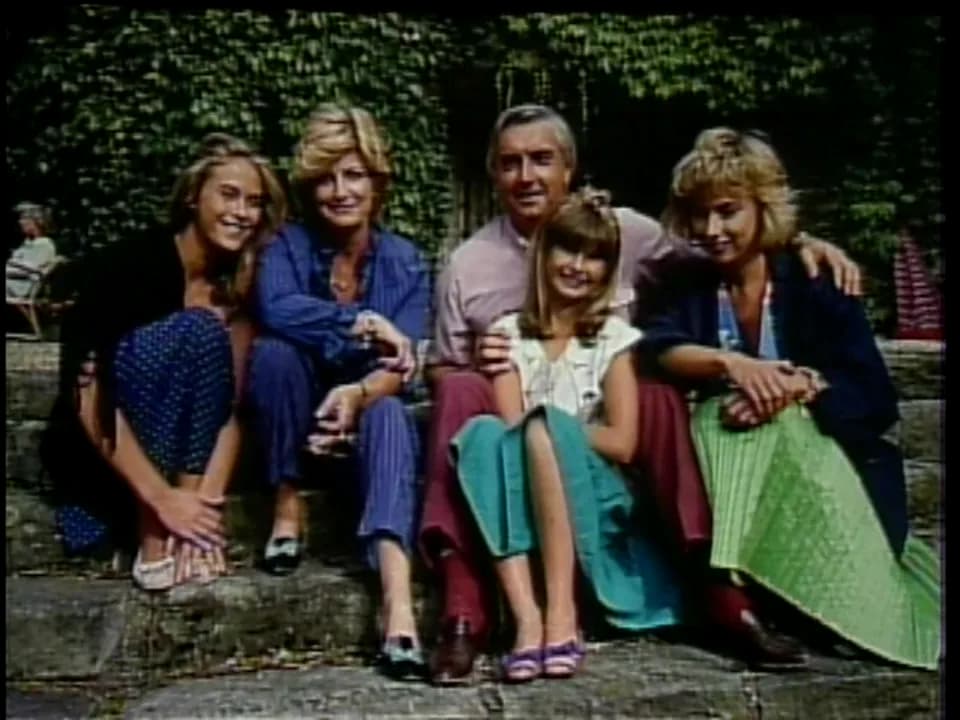
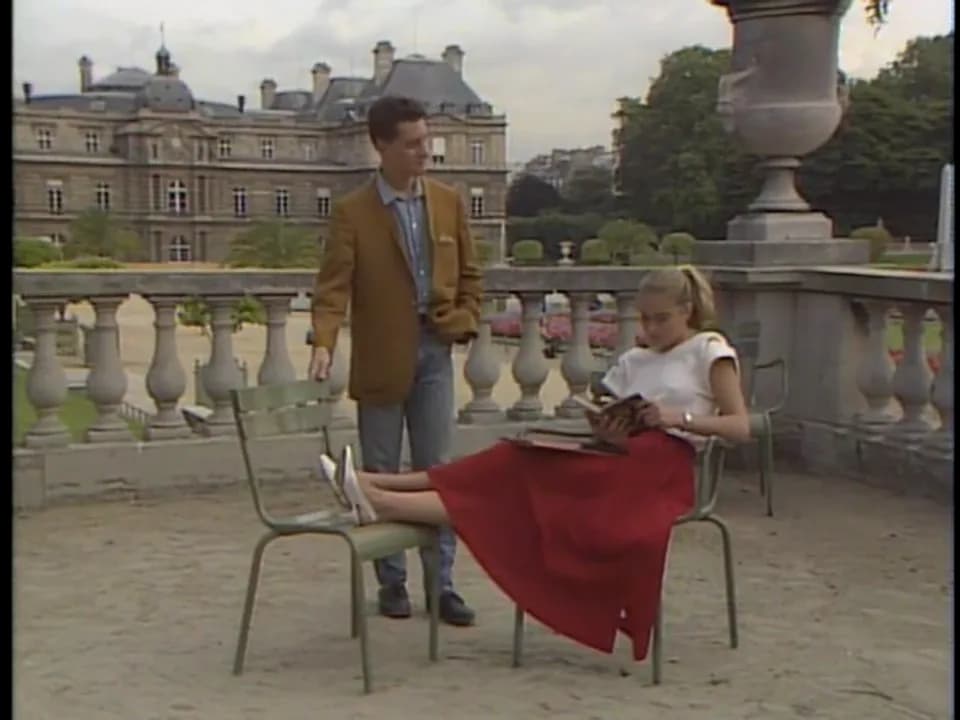
French in Action is a story told in 52 half-hour episodes, filmed in Paris. A young American, Robert, meets a Parisian student, Mireille — and you follow them through cafés, families, trains and arguments. Everything is in real French from the first episode, and the story makes it understandable.
We have rebuilt it for Indian learners preparing TEF Canada or TCF Canada. Every key phrase comes with pronunciation written in Devanagari and Gurmukhi, because Hindi and Punjabi already have many French sounds. Explanations are short and plain, and every episode has practice that looks like the exam.
Pronunciation the way you already read
Real phrases from Episode 1, written the way they sound.
- Bonjour !Hello! (anyone, all day)bo(n)-ZHOORबोँ-झ़ूग़ਬੋਂ-ਝ਼ੂਗ਼
- Au revoir.Goodbye.oh ruh-VWARओ ग़अ-वुआग़ਓ ਗ਼ਅ-ਵੁਆਗ਼
- Je m'appelle France.My name is France.zhuh ma-PEL FRA(N)SSझ़अ मा-पैल फ़्ग़ाँसਝ਼ਅ ਮਾ-ਪੈਲ ਫ਼੍ਗ਼ਾਂਸ
How an episode works
What happens in one episode?
Watch the episode and it is done. The warm-up, words and patterns, and practice are optional, with a guided plan whenever you want to go deeper.
1.Warm-upOptional
Five minutes with the phrases you are about to hear, each with Hindi and Punjabi pronunciation.
2.WatchThe episode
The whole episode without stopping. Short tips appear like captions; tap any French word for its meaning.
3.Words & patternsOptional
The key words first, then the grammar patterns behind them — observed from the episode, never from a table.
4.PracticeOptional
Dictation, quick quizzes, a short story to read, speaking and writing with AI feedback. Pick what you need.
The path
How does the course take you towards NCLC 7?
Six parts, each a step up the CEFR scale. By the end you understand natural French conversation, which is the base for the B2 level that NCLC 7 asks for in TEF and TCF Canada.
- A1Episodes 1–8
Part 1 · Foundations
How the course works, then the story begins: names, families, age and first portraits.
- A1–A2Episodes 9–18
Part 2 · Paris
Describing people, first meetings in the Latin Quarter and talk about jobs.
- A2Episodes 19–26
Part 3 · Lifestyle
School and studies, getting around Paris, and food and drink.
- A2–B1Episodes 27–35
Part 4 · Travel
Every kind of transport, then flats and houses: plans, directions and past events.
- B1Episodes 36–45
Part 5 · Enjoyment
Films, theatre and games, luck and chance, and planning a holiday.
- B1–B2Episodes 46–52
Part 6 · Epilogue
A tour of France's variety and riches, and the story's ending.
NCLC 7 needs strong scores in all four skills. The course builds listening and speaking first; the exam practice, AI writing scoring and mock tests on your plan take you the rest of the way.
What exactly is NCLC 7?Curriculum
All 52 episodes
Every episode is interactive: a warm-up with Hindi and Punjabi pronunciation, tap-to-translate captions, words and patterns, and practice. Open any episode to see the phrases, grammar and words it teaches.
Part 1 · Foundations
A1 · 8 episodes- 01OrientationOrientation · 28 minGrammar in this episode: Saying your name: je m'appelle · tu or vous? (तू or आप?) · Age with avoir: j'ai vingt ans · je suis + how I feel · pas = notFree
- 02Genèse IGenesis I · 29 minGrammar in this episode: je, tu, il, elle… and tu or vous · aller — to go (and to be doing) · être — how I am: tired, sick, in a hurry · ne … pas — saying 'not' · 3 ways to ask a questionFree
- 03Genèse IIGenesis II · 29 minGrammar in this episode: aller + verb: the 'going to' future · Four kinds of questions · un, une, des · le, la, l', les · He's américain, she's américaine · moi, toi, lui, eux… pointing words
- 04Genèse IIIGenesis III · 29 minGrammar in this episode: Love, like, hate, prefer — + le / la / les · Every noun has a gender · Nationalities: il est brésilien, elle est brésilienne · -er verbs: the master pattern · être — nationality, place, and puisque · pouvoir — can, may
- 05FamillesFamilies · 29 minGrammar in this episode: avoir — to have (and your age) · ne … pas de — having none · il faut — you have to · Orders: Écoute ! Écoutons ! Écoutez ! · Numbers 1–32
- 06Portraits IPortraits I · 29 minGrammar in this episode: Looks vs is: avoir l'air / être · He vs she: petit → petite, long → longue · Head to toe: avoir + les + body part + adjective · faire + du / de la / de l' (and pas de) · Yes/no questions with est-ce que · Numbers 20 to 69
- 07Portraits IIPortraits II · 29 minGrammar in this episode: plus / moins / aussi … que · Masculine & feminine adjectives · Yes/no questions: voice, est-ce que, inversion · Qu'est-ce que c'est ? / Qui est-ce ? · faire — sports, sizes and naps · Numbers 70 – 100
- 08GénéalogieGenealogy · 29 minGrammar in this episode: mon, ma, mes · ton, ta, tes · son, sa, ses · C'est… / Ce sont… — and the negative · avoir — to have (and to be … years old) · du, de la, de l', des → pas de · Qui est-ce ? · Qu'est-ce que c'est ? · Big numbers & years
Part 2 · Paris
A1–A2 · 10 episodes- 09Décrire les autres IDescribing Others I · 29 minGrammar in this episode: Time: il y a (ago) · ça fait … que (for) · notre, votre, leur · nos, vos, leurs · faire du sport · jouer à un jeu · Strong pronouns: moi, toi, lui, elle, nous, vous, eux, elles · quelqu'un · une personne · personne · il reste · il en reste · il n'en reste plus
- 10Décrire les autres IIDescribing Others II · 29 minGrammar in this episode: Talking weather: il pleut, il fait beau · Ça fait… que: how long it's been going on · Oui, non… and si! · connaître or savoir? · venir — and on for 'we' · ce, cet, cette, ces — this / that
- 11Rencontres IEncounters I · 28 minGrammar in this episode: Seasons & weather: il fait chaud, il y a du soleil · depuis + present: 'has been … since / for' · Quel beau temps ! — exclaiming with quel · vient de sortir — the 'just did' past · Il la remarque — le, la, les, me, te, vous · promener or se promener? — the little se
- 12Rencontres IIEncounters II · 29 minGrammar in this episode: Where does it hurt? avoir mal à… · Recap + new: weather opposites · Recap + new: Quel temps ? Quelle saison ? — quel in questions · Lève-toi ! Ne te lève pas ! — commands with pronouns · Je suis… I am, or I follow?
- 13Rencontres IIIEncounters III · 29 minGrammar in this episode: Which one? Laquelle ? — Celle-là · Last summer, next week: dernier / prochain · There's no shortage: ce ne sont pas les… qui manquent · What you study: faire du droit · Waiting: attendre, faire la queue
- 14Rencontres IVEncounters IV · 29 minGrammar in this episode: avoir raison, avoir tort · dire (vous dites!) and parler · C'est le 29 mai. Il est onze heures. · Spot the imperfect: how things used to be · Masculine → feminine: hear the change
- 15Occupations IOccupations I · 29 minGrammar in this episode: au, à la, à l', aux — where someone is · en mai, le 23 octobre, le mercredi, à Noël · en — 'one of them', 'some' · mener, amener, emmener, (se) promener · quelqu'un, quelque chose — personne, rien
- 16Occupations IIOccupations II · 29 minGrammar in this episode: y = there: J'y vais · avoir envie de — to feel like · profiter de… pour — make the most of it · Vous pouvez, si vous voulez · Recap + new: two pasts side by side — nous allions / nous sommes allés
- 17Occupations IIIOccupations III · 29 minGrammar in this episode: Jobs for him and her · C'est un pharmacien or il est pharmacien? · Making the imperfect: quand j'étais petit(e)… · Autrefois… maintenant, ne… plus · Ça se dit, ça se fait, ça s'écrit
- 18Occupations IVOccupations IV · 29 minGrammar in this episode: Recap + new: il joue du violon / il est violoniste · Recap + new: Laisse-moi tranquille ! — me, le, la, les · Whose is it? être à, appartenir à — lui, leur · At home: chez moi, chez lui, chez soi · Recap + new: ne… jamais (never)
Part 3 · Lifestyle
A2 · 8 episodes- 19Attention : Écoles IEducation I · 29 minGrammar in this episode: The passé composé: avoir / être + past participle · Ça me plaît — liking, the French way · Quelle heure est-il ? Telling the time · -ment: adjective → adverb
- 20Attention : Écoles IIEducation II · 29 minGrammar in this episode: Sorry! — It's nothing · Recap + new: jamais, rien, personne — and aucun · Recap + new: attendre (wait) & its twin entendre (hear) · mettre & boire · Vous l'avez lu ? — pronouns in the past
- 21Attention : Écoles IIIEducation III · 29 minGrammar in this episode: À quoi ça sert ? — servir à · Vous me faites rire ! — faire + verb · J'ai faim, vous avez raison — avoir + noun · En train de — busy doing, right now · Il l'a invitée — the participle agrees
- 22Se déplacer IGetting Around I · 29 minGrammar in this episode: Il est descendu — moving verbs take être · Dépêche-toi ! — hurrying and being late · Ça me fait plaisir — what pleases you · Allô ? — phone French and rappeler · Breakfast, lunch, dinner — and the days around today
- 23Se déplacer IIGetting Around II · 29 minGrammar in this episode: Tout ça finira mal — the future tense · Tout ira bien — sera, ira, aura, fera, verra · Ne vous en faites pas ! — worrying and wondering · Tomber sur, avoir du mal à, dépendre de · Je dors, ils dorment — the verb dormir
- 24Manger et boire IFood and Drink I · 29 minGrammar in this episode: J'irai, nous aurons — the future · Tu tombes bien ! — tomber bien, mal, de sommeil · Servir, se servir, reprendre — at the table · Quel délicieux repas ! — compliments and thanks · Qui or que? — the butcher who, the wine that
- 25Manger et boire IIFood and Drink II · 29 minGrammar in this episode: Morning routine: se lever, se laver · Bring me…! Commands with moi · This one… bring me another! · Raw, medium, burnt — fresh or overripe
- 26Manger et boire IIIFood and Drink III · 29 minGrammar in this episode: Ordering: pour moi, ce sera… · Only: ne… que · Porter, apporter, emporter · Canard à l'orange, magret de canard
Part 4 · Travel
A2–B1 · 9 episodes- 27Tous les moyens de transport ITransportation I · 29 minGrammar in this episode: Wrong number, wrong door: se tromper de · All you have to do is…: n'avoir qu'à · If you insist: tenir à, y tenir · En train, à pied: getting around · Life would be easy: the conditional
- 28Tous les moyens de transport IITransportation II · 29 minGrammar in this episode: En avance, à l'heure, en retard · Tout à l'heure, tout de suite, dans une heure · J'ai mal au cou — avoir mal, se faire mal · Du vin, un pichet de vin — quantities
- 29Tous les moyens de transport IIITransportation III · 29 minGrammar in this episode: Si j'avais su… — I would have · Si on allait…? — si + imperfect · Ça m'est arrivé — it happens (to me) · J'ai mis huit heures — how long it took · Qu'est-ce que je disais ! — predict and gloat
- 30Tous les moyens de transport IVTransportation IV · 29 minGrammar in this episode: No way to get lost: il n'y a pas moyen de… · Lend, borrow, give back: prêter, emprunter, rendre · The cheapest: la moins chère, ce qu'il a de moins cher · Where is it? Au sud-est de, au-dessus de, en bas de
- 31Tous les moyens de transport VTransportation V · 29 minGrammar in this episode: Je vous dois combien ? — devoir and payer · Ne vous en faites pas — don't worry · Il se met à pleuvoir — starting to do something · Mis, mise; ouvert, ouverte — past participles you can hear
- 32Résidences IResidences I · 29 minGrammar in this episode: Which floor? au + ordinal · Setting + event: imparfait and passé composé · Lights on, lights off: éteindre · Un drôle de type
- 33Résidences IIResidences II · 29 minGrammar in this episode: Soyez, ayez, veuillez, sachez · Il me faut… = I need · Pas plus malheureux pour ça · Je ne peux pas m'en empêcher
- 34Résidences IIIResidences III · 29 minGrammar in this episode: Ça nous a pris deux ans — three ways to say how long · On a fait amener l'eau — having something done · Il fait le maçon — playing a part · Rendre habitable — to make something + adjective
- 35Résidences IVResidences IV · 29 minGrammar in this episode: Neither… nor: ne… ni… ni · Made of…: en pierre, en bois, en tuiles · So much!: tellement, c'est fou ce que… · I need…: avoir besoin de
Part 5 · Enjoyment
B1 · 10 episodes- 36Divertissements IEntertainment I · 29 minGrammar in this episode: Tu veux qu'on y aille ? — meet the subjunctive · Making the subjunctive: start from ils · Quelque chose d'intéressant, rien de bien · Bedtime verbs: je me couche, tu te réveilles
- 37Divertissements IIEntertainment II · 29 minGrammar in this episode: Comment veux-tu que je sache ? — irregular subjunctives · C'est dommage que nous n'ayons pas pu… — the past subjunctive · Elle te les a rendus ? — two pronouns together · Un coup de frein, un coup de fil — coups · Une quarantaine d'années — about forty
- 38Divertissements IIIEntertainment III · 29 minGrammar in this episode: Et si on marchait un peu ? — suggestions with si on · C'est là que… / C'est le garage où… — pointing at places · À cause de l'escalier — because of · Je n'ai jamais dit ça — jamais, toujours, souvent · Elle les lui montre — le, la, les + lui, leur · Il faut que tu fasses… — faire in the subjunctive
- 39Divertissements IVEntertainment IV · 29 minGrammar in this episode: Il faudrait que j'aille — il faut que in every tense · Je doute que ça vaille la peine — doubt + subjunctive · Je ne m'attendais pas à te voir — s'attendre à · Elle gagne sa vie en chantant — en + -ant
- 40Divertissements VEntertainment V · 29 minGrammar in this episode: Rien ne… / Personne ne… — nothing and nobody as the subject · Faire sauter, faire disparaître — faire + verb · Je m'en passerais — se passer de (to do without) · Je prends mon pied, ils prennent leur pied
- 41Question de chance IA Matter of Chance I · 29 minGrammar in this episode: Pourvu que… — as long as (+ subjunctive) · N'importe quel, n'importe lequel — any (at all) · Je m'en vais — s'en aller vs prendre congé · C'est toi qui… — pointing at the person
- 42Question de chance IIA Matter of Chance II · 29 minGrammar in this episode: Tu n'as acheté qu'un dixième — ne… que = only · Ça se fait, ça ne se fait plus · Bien que, à moins que + subjunctive · Il n'y a qu'à… — the easy fix
- 43Pensez Vacances IVacation Planning I · 29 minGrammar in this episode: Ça vaut combien ? — valoir (to be worth) · Le plus beau que nous ayons — the best … (+ subjunctive) · Se débrouiller — to manage on your own
- 44Pensez Vacances IIVacation Planning II · 29 minGrammar in this episode: Il n'y a que… qui + subjunctive — only… (implicit negation) · Que je prenne… — the subjunctive of purpose and of wishes · Ce qui / ce que — what (subject or object) · Celle de droite, celles que… — demonstrative pronouns
- 45Pensez Vacances IIIVacation Planning III · 29 minGrammar in this episode: Quelque chose qui ne soit pas salissant — the subjunctive after qui / que · J'ai tout ce qu'il me faut — il me faut = I need · Il vaut mieux que tu te serves de ma voiture — se servir de, se méfier · Ça m'est égal — I don't mind
Part 6 · Epilogue
B1–B2 · 7 episodes- 46Quelle variété!Geography and Tourism I · 29 minGrammar in this episode: On partirait… — the conditional for plans and doubts · Changer d'air, changer de T-shirt — changer de + noun · Des enfants dont elle s'est occupée — qui, que, dont · Je meurs d'envie, s'ennuyer à mourir — exaggerating with mourir
- 47Quelle richesse!Geography and Tourism II · 29 minGrammar in this episode: Il faut que + subjunctive of voir — what someone must see · En avoir assez / marre / ras le bol — being fed up · Little pronouns: en, y, le / l', les
- 48Quelle horreur!Geography and Tourism III · 29 minGrammar in this episode: Si tu es sage, on ira au cinéma — si + present, then future · Ce ne sont pas les miennes — le mien, la nôtre (mine, ours) · Je m'en fiche, il s'en fiche — not caring, in every person · Je pars, mais il faut que je parte
- 49Variété et richesseGeography and Tourism IV · 29 minGrammar in this episode: Il lui est arrivé quelque chose — arriver à quelqu'un · Se cacher, se retourner, se douter — verbs with se · Je viens de rentrer · en train de jouer · il va arriver
- 50Revue et défiléGeography and Tourism V · 29 minGrammar in this episode: Je doute que… + subjunctive of avoir — doubting politely · en, au, à la, dans le — saying where (and from where) · au beurre, à l'huile, à la graisse — 'made with, in the style of'
- 51Tout est bien qui finit bienGetting Away I · 29 minGrammar in this episode: Fauché, la nana, un tacot — casual vs. correct French · Rapportez-moi, dites-le-moi — commands with pronouns · Ça fait snob, ça me fait quelque chose — the many jobs of faire
- 52Tout est bien qui finit bienGetting Away II · 29 minGrammar in this episode: Ça doit être Chinon — devoir for a good guess · Contente que tu aies été là — the past subjunctive · J'aurais aimé… — would have (past conditional)
Try it before you pay
Episode 1 opens in two taps as a guest: no form, no card. Save your progress with your email (we send a 6-digit code) and episodes 1 and 2 stay free forever, while all 52 episodes open for 7 days.
Watch Episode 1 freeThe whole course from ₹1,499 a month
Every plan includes all 52 episodes, the review deck and AI practice. Start with a 7-day free trial.
Compare plans