
French

Part 1 · Foundations

Episode 7: Portraits II

Portraits II — inventing Robert

  • 29 min video
  • About 116 min with practice
  • A1

The class invents the hero: Robert, a sturdy young American — taller than Mireille, dark-haired, brown-eyed, calmer. You'll describe people, compare them (plus grand que), and count all the way to cent.

Start with Episode 1 free in two taps. Add your email when you are ready and every episode, this one included, opens for 7 days. No card needed.

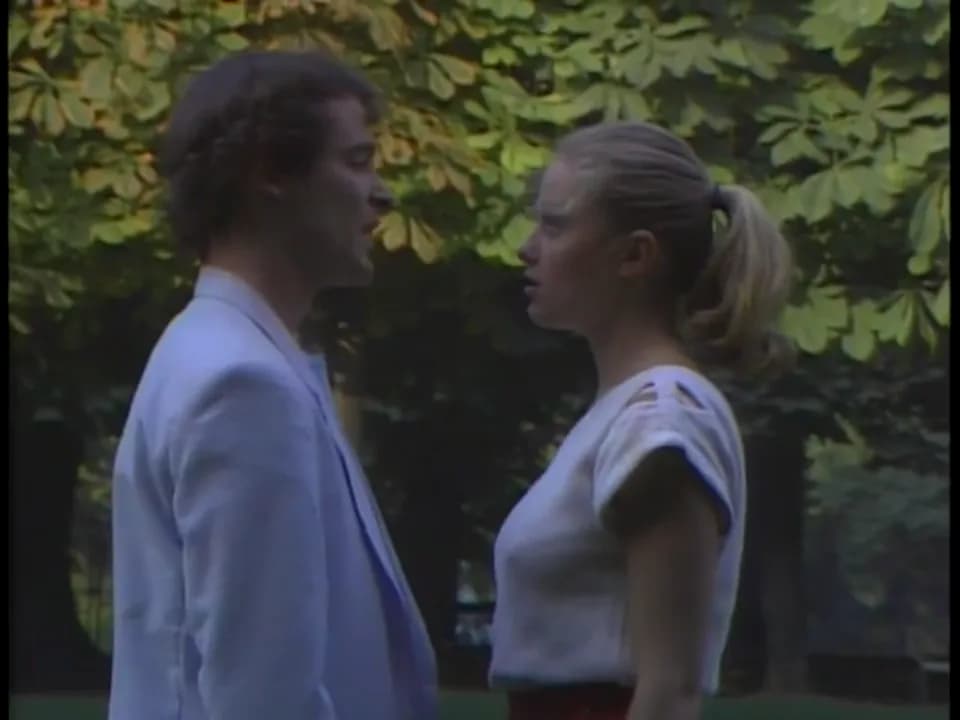
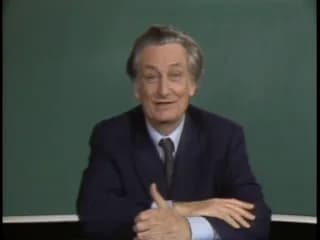
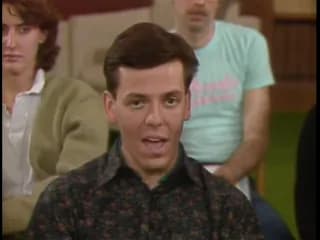
A scene from French in Action episode 7, Portraits II
minutes of video
29
CEFR level
A1
key words
35
grammar patterns
6

By the end you can

  • describe someone's looks: Il est grand, mince. Il a les cheveux noirs et les yeux marron.
  • say what someone doesn't have: Il n'a pas de barbe.
  • compare two people: Il est plus grand qu'elle. Elle est moins calme que lui.
  • make adjectives feminine by ear: brun → brune, sérieux → sérieuse, sportif → sportive
  • count from 70 to 100 and give your height and weight
  • talk about sports with faire du / de la and chant faire
  • ask yes/no questions three ways, including Est-il… ? A-t-il… ?

Listen out for

Five things to notice the first time you watch. Spotting them is half the lesson.

  • The class votes on Robert's looks — and the professor overrules them. Who wins?
  • plus (more) and moins (less): plus grand que Mireille
  • Big numbers: Marie-Laure counts sheep up to cent (100) — listen for soixante-dix and quatre-vingts
  • Obélix from the Astérix comics — the professor's model of gros!

Scene by scene

The episode in 20 short scenes, with the time each one starts in the video.

  1. Starts at 0:00

    1.Meet Robert (in English)

    A short English intro: Robert's portrait — medium height, slim, athletic, brown hair, dark eyes. A little less quick than Mireille, but calmer. Will they meet?

  2. Starts at 1:00

    2.Robert: solid — not fat!

    Today we invent the young man of the story: Robert, an American. He's solide… 'You mean fat?' No! Obélix is fat. Robert has no belly. He's 1 m 70, 70 kilos, taller than Mireille — and very sporty.

  3. Starts at 2:30

    3.Hair and eyebrows: the class votes

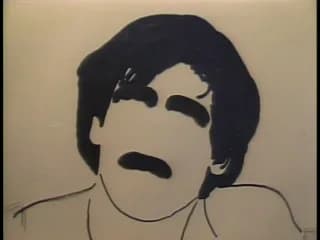
    Broad square shoulders, square chin. Blond, red, light-brown or dark? A student wants blond — too bad, Robert is dark with black hair. Blond eyebrows with black hair? That won't do at all!

  4. Starts at 4:07

    4.Moustache? Beard? Eyes?

    With or without a moustache? Without. A beard? No beard. Eyes: blue? Black? Not really — brown (marron). Summary: no belly, no beard, no moustache, but broad shoulders, black hair, brown eyes.

  5. Starts at 5:20

    5.His character: calmer than Mireille

    Stupid? No — intelligent, quick-minded, a bit less than Mireille. Sociable, but he talks less. Less of a tease, more easygoing. In short: she's small and blond, he's taller and dark; she's lively, he's calm.

  6. Starts at 6:29

    6.What will their meeting lead to?

    Will the young man meet the young woman? Maybe! Love at first sight… or a slap? 'Petite imbécile !' Anything is possible. Chance is so powerful.

Show the other 14 scenes
  1. 7Gros, grosse — big and fatRobert again: sturdy, not fat. Then fat men, fat ladies, big cars and small cars, big trucks, a big dog and a tiny doggy. Gros, grosse.Starts at 7:13
  2. 8Measuring and weighingLet's measure Robert: 1 m 71. Let's weigh him: 70 kilos. Then people in the street: how tall are you? How much do you weigh? Rather fat or rather thin?Starts at 8:41
  3. 9Counting sheep: 65 to 100Marie-Laure can't sleep, so she counts sheep from 65 to 100. Then the professor counts 20, 30… 60 to 99 with the numbers on screen.Starts at 10:28
  4. 10House numbers & the verb faireRead these house numbers. Robert weighs 70 kilos, measures 1 m 71; Mireille is 1 m 63. She ice-skates, she windsurfs. The verb faire: je fais… ils font. You can go skiing, hang-gliding… or take a nap.Starts at 12:53
  5. 11Shoulders, beards and scratchingBroad or narrow shoulders, roads, foreheads. Square chin. Getafix and Victor Hugo have beards. Robert doesn't: beards scratch (ça gratte)! Marie-Laure scratches, the chicken scratches.Starts at 14:47
  6. 12Black, white, grey — distinguishedRobert has black hair — but he's white, not black. Ousmane is black. The professor has grey hair: very distinguished, isn't it? Distinguished ladies and gentlemen… and less distinguished ones.Starts at 15:57
  7. 13Serious and calmGrey hair looks serious. Serious and less serious people. Robert is a serious, calm guy; Mireille is less calm, livelier. A car breakdown: 'Stay calm!' — 'But I am very calm!' The sea is calm… or not.Starts at 17:07
  8. 14Easygoing Tonton GuillaumeMarie-Laure spills a drink on Uncle Guillaume — 'It's nothing, she didn't do it on purpose.' He's indulgent. Mireille is less so: 'Espèce d'idiote !' Tonton Guillaume is more easygoing than Mireille.Starts at 18:31
  9. 15Your turn: be MireilleHubert asks Mireille about Robert: tall? blond? Then it's your turn — you are Mireille. Answer in the pauses.Starts at 19:11
  10. 16They don't look alikeRobert and Mireille are very different: they don't look alike. Some couples do look alike; two little girls look alike. Robert is taller than Mireille; Mireille is smaller, less tall.Starts at 20:59
  11. 17Will they meet? It's chanceMireille meets friends. People meet each other (se rencontrer). The young man and the young woman may meet — it's a question of chance, like roulette, dice or lotto.Starts at 22:16
  12. 18Masculine and feminineSerious things: masculine vs feminine. Un garçon brun, une fille brune. Un doigt fin, une jambe fine. Blonde / blond, grosse / gros, rousse / roux, sérieuse / sérieux, sportive / sportif, vive / vif.Starts at 23:20
  13. 19Qu'est-ce que c'est ? Qui est-ce ?What is it? A young man. Who is it? Robert. Who will be blond? The young woman. 'Too bad — I prefer brunettes!' — 'Too bad for you, she's blond.'Starts at 24:35
  14. 20Summing up… and a fight?Recap: she's small, blond, blue-eyed; he's taller, dark, brown-eyed. They may meet. And the meeting may give… this? Or this? A street fight, and a policeman: 'Arrêtez !' Then the credits.Starts at 25:53

Key phrases, with Hindi and Punjabi pronunciation

Real lines from this episode, written the way they sound in Latin letters, Devanagari and Gurmukhi.

  • C'est un garçon solide.He's a solid, sturdy guy.
    say ta(n) gar-SO(N) so-LEEDसै तैं गाग़-सोँ सो-लीदਸੈ ਤੈਂ ਗਾਗ਼-ਸੋਂ ਸੋ-ਲੀਦ
  • Il est plus grand que Mireille.He's taller than Mireille.
    eel ay plü GRA(N) kuh mee-RAYईल ऐ plü ग्ग़ाँ कअ मी-ग़ैयਈਲ ਐ plü ਗ੍ਗ਼ਾਂ ਕਅ ਮੀ-ਗ਼ੈਯ
  • Il a les cheveux noirs.He has black hair.
    eel a lay shuh-VÖ NWARईल आ ले शअ-vö नुआग़ਈਲ ਆ ਲੇ ਸ਼ਅ-vö ਨੁਆਗ਼
  • Il va avoir les yeux marron.He's going to have brown eyes.
    eel va a-VWAR lay-ZYÖ ma-RO(N)ईल वा आ-वुआग़ ले-ज़्यö मा-ग़ोँਈਲ ਵਾ ਆ-ਵੁਆਗ਼ ਲੇ-ਜ਼੍ਯö ਮਾ-ਗ਼ੋਂ
  • Robert ne va pas avoir de barbe.Robert isn't going to have a beard.
    ro-BEHR nuh va pa-za-VWAR duh BARBग़ो-बैग़ नअ वा पा-ज़ा-वुआग़ दअ बाग़बਗ਼ੋ-ਬੈਗ਼ ਨਅ ਵਾ ਪਾ-ਜ਼ਾ-ਵੁਆਗ਼ ਦਅ ਬਾਗ਼ਬ

Sounds to master in this episode

French sounds explained through the Hindi and Punjabi sounds you already make, with real lines from the episode to copy.

  • The pure é of café/e/

    ए (शुद्ध)ਏ (ਸ਼ੁੱਧ)

    The closed é — tongue high, lips smiling, short and pure (not English ay): préfère, carré, distingué, mesurer.

    • Qu'est-ce que vous préférez ?What do you prefer?
    • Il a le menton carré.He has a square chin.
  • The open è of père/ɛ/

    ऐ (है वाला)ਐ (ਹੈ ਵਾਲਾ)

    The open è — jaw drops a little: préfère, père, mètre, très, épais. In préfère you get both: closed é, then open è.

    • Moi, je préfère les cheveux blancs ou gris.Me, I prefer white or grey hair.
    • Un mètre soixante.One metre sixty.
  • The nasal in of vin/ɛ̃/

    ऐंਐਂ

    brun, fin, moins, vingt, indulgent all end in a nasal vowel — no n. Add the feminine -e and the n comes back as a real consonant: brune, fine.

    • Un garçon brun, une fille brune.A dark-haired boy, a dark-haired girl.
    • Mais il parle moins que Mireille.But he talks less than Mireille.
  • The French R/ʁ/

    ग़ (हल्का)ਗ਼ (ਹਲਕਾ)

    The throaty ग़ is everywhere today: Robert, roux, marron, carré, barbe, grand, gros.

    • Robert va avoir les sourcils noirs et épais.Robert will have thick black eyebrows.

Grammar patterns in this episode

Each pattern comes from real lines in the episode. Here is the short version; in the course you notice it in the video first, then drill it.

  1. 1plus / moins / aussi … que

    plus + adjective + que = more … than. moins + adjective + que = less … than. aussi + adjective + que = as … as. The adjective still agrees: elle est plus petite. After que use moi, toi, lui, elle: plus grand que lui. que → qu' before a vowel: qu'elle.

    From the episode

    Il est plus grand que Mireille.

    He's taller than Mireille.

    Hindi and Punjabi link

    Hindi: मिरेय से लंबा. French: plus grand que Mireille — que does the job of से.

  2. 2Masculine & feminine adjectives

    Many feminine adjectives have an extra final sound: brun → brune (nasal → real n), gros → grosse, petit → petite, indulgent → indulgente, blanc → blanche. Some change more: -eux → -euse (sérieux → sérieuse), -eur → -euse (moqueur → moqueuse), -f → -ve (sportif → sportive, vif → vive), roux → rousse. Some only add an -e you can't hear: carré(e), noir(e), bleu(e). Words ending in -e don't change: calme, solide, large, stupide.

    From the episode

    Un garçon brun, une fille brune.

    A dark-haired boy, a dark-haired girl.

    Hindi and Punjabi link

    Like मोटा → मोटी, लंबा → लंबी · ਮੋਟਾ → ਮੋਟੀ: the ending tells you if it's a man or a woman.

  3. 3Yes/no questions: voice, est-ce que, inversion

    1) Voice ↗: Il est sportif ? (everyday). 2) Est-ce que + sentence: Est-ce qu'il est sportif ? 3) Inversion: verb-hyphen-pronoun: Est-il sportif ? (polished). With a name, keep the name and add the pronoun: Robert est-il sportif ? If the verb ends in a vowel, add -t-: Parle-t-il ? A-t-il ? Va-t-elle ?

    From the episode

    Il est comment, ce Robert ? Il est grand ?

    What's he like, this Robert? Is he tall?

    Hindi and Punjabi link

    Est-ce que = क्या at the start of a Hindi question. And like Hindi, you can also just raise your voice: वह आ रहा है? ↗

  4. 4Qu'est-ce que c'est ? / Qui est-ce ?

    Qu'est-ce que c'est ? asks what (a thing). Qui est-ce (que c'est) ? asks who (a person). Qu'est-ce que + sentence asks what someone does/wants: Qu'est-ce que vous préférez ? Qui est-ce qui + verb asks who does it: Qui est-ce qui va être blond ?

    From the episode

    Qu'est-ce que c'est ? C'est un jeune homme.

    What is it? It's a young man.

    Hindi and Punjabi link

    Just like क्या है? (what) vs कौन है? (who) · ਕੀ ਹੈ? vs ਕੌਣ ਹੈ?

  5. 5faire — sports, sizes and naps

    faire: je fais, tu fais, il/elle fait, nous faisons, vous faites, ils/elles font. Sports: faire du + masculine (du ski, du patin), faire de la + feminine (de la planche à voile). Size: il fait 1 m 70. Nap: faire la sieste.

    From the episode

    Il fait du ski nautique, il fait du surfing, du polo, du football.

    He water-skis, surfs, plays polo, football.

    Hindi and Punjabi link

    Like करना in कसरत करना, योगा करना — one 'do' verb for all activities.

  6. 6Numbers 70 – 100

    70–79 = soixante + 10…19: soixante-dix, soixante et onze, soixante-douze … soixante-dix-neuf. 80 = quatre-vingts (4 × 20, with -s). 81–99 = quatre-vingt + 1…19, all with hyphens and no et: quatre-vingt-un, quatre-vingt-onze. The t of vingt is silent here. 100 = cent.

    From the episode

    Soixante-dix.

    Seventy.

    Hindi and Punjabi link

    After इकहत्तर, बहत्तर … निन्यानवे, where every number is its own word, French 70–99 is a simple sum!

Words you will meet

Each word is written the way it sounds in Devanagari and Gurmukhi.

  • grand(e)tall, bigग्ग़ाँ / ग्ग़ाँदਗ੍ਗ਼ਾਂ / ਗ੍ਗ਼ਾਂਦ
  • petit(e)small, shortपअ-ती / पअ-तीतਪਅ-ਤੀ / ਪਅ-ਤੀਤ
  • gros(se)fat, bigग्ग़ो / ग्ग़ोसਗ੍ਗ਼ੋ / ਗ੍ਗ਼ੋਸ
  • mincethin, slimमैंसਮੈਂਸ
  • solide / costaudsturdy, strongसो-लीद / कोस-तोਸੋ-ਲੀਦ / ਕੋਸ-ਤੋ
  • les cheveuxm.hairले शअ-vöਲੇ ਸ਼ਅ-vö
  • les yeux (un œil)m.eyes (an eye)ले-ज़्यö / ö-नöयਲੇ-ਜ਼੍ਯö / ö-ਨöਯ
  • les sourcilsm.eyebrowsले सूग़-सीਲੇ ਸੂਗ਼-ਸੀ
  • la barbef.beardला बाग़बਲਾ ਬਾਗ਼ਬ
  • la moustachef.moustacheला मूस-ताशਲਾ ਮੂਸ-ਤਾਸ਼
  • les épaulesf.shouldersले-ज़े-पोलਲੇ-ਜ਼ੇ-ਪੋਲ
  • le mentonm.chinलअ माँ-तोँਲਅ ਮਾਂ-ਤੋਂ

Plus 23 more words in the lesson, each with its pronunciation.

Practice in all four skills

Listening, speaking, reading and writing: the four skills TEF Canada and TCF Canada score. Every task is built from this episode's own lines.

  • Listening

    8 dictation lines cut from the video: hear it, type it, check every accent. Plus 20 textbook audio drills.

    A line you will write down

    Il a les cheveux noirs.

    He has black hair.

  • Speaking

    Shadow 8 lines after the actors, answer 6 questions aloud, then a short role-play with Hubert.

    How the role-play opens

    Alors, ce Robert… il est comment ? Il est grand ?

    So, this Robert… what's he like? Is he tall?

  • Reading

    A short story, “Robert's portrait”, retold with this episode's words, then 6 questions on it.

    The story starts

    Aujourd'hui, le professeur et les étudiants font le portrait du jeune homme de l'histoire.

  • Writing

    8 fill-in sentences, 6 sentences to build and 2 short writing tasks with feedback.

    A writing task

    Describe your ideal man or woman (Workbook 7.40): height, hair, eyes, sports and character. Compare with yourself using plus / moins … que.

Then a self-test of 8 questions to finish the episode, and new words go into your review deck.

Culture notes

Astérix & Obélix — 'our ancestors the Gauls'

When the professor needs someone gros, he shows Obélix, the huge menhir-carrier from the Astérix comics (bandes dessinées, BD). Astérix and Obélix are Gauls who resist Julius Caesar's Romans. French schoolbooks used to start 'Nos ancêtres les Gaulois…', and the French love to see themselves in them: brave, funny, fond of food… and a bit undisciplined. There's even a Parc Astérix near Paris. The bearded druid Panoramix (Getafix) also appears in this episode.

Hindi and Punjabi linkAstérix is to French kids what Chacha Chaudhary or Amar Chitra Katha was to many Indian kids — everybody knows the characters.

Metres and kilos

France measures people in mètres and kilos: Robert fait un mètre soixante-dix et pèse soixante-dix kilos. Say the height as un mètre + centimetres. Around 2010 the average Frenchman is about 1 m 76 and 77 kg, the average Frenchwoman 1 m 63 and 62 kg — so Mireille (1 m 63) is exactly average.

Hindi and Punjabi linkBack home height is often in feet: 5 feet 7 ≈ 1 m 70. You already say weight in kilos — perfect!

Septante, huitante, nonante

The strange soixante-dix / quatre-vingts system is French from France. In Belgium and Switzerland people say septante (70) and nonante (90), and parts of Switzerland even say huitante (80). Quebec and Africa mostly follow France. Learn the Paris way, but don't panic if you hear septante in Brussels!

Who is in it

  • Le professeurPierre Capretz — invents the story with his class
  • Robertthe young American hero — sturdy, dark-haired, calm
  • Mireilleour heroine — small, blond, lively, a real tease
  • HubertMireille's posh friend — asks what Robert is like
  • L'étudiantthe class wiseguy — 'You mean he's fat?'
  • Marie-LaureMireille's little sister — counts sheep to 100
  • Tonton GuillaumeMireille's uncle — very indulgent

Watch this episode in your free trial

Start with Episode 1 free in two taps. Add your email when you are ready and every episode, this one included, opens for 7 days. No card needed.

Start free with Episode 1

What you get

  • Warm-up, tap-to-translate captions, words & patterns, practice
  • Hindi and Punjabi pronunciation help
  • Printable watch guide, master guide, transcript, textbook, and workbook
  • New words saved to your spaced review deck

Coming up next

Episode 8 — Généalogie. Mireille and Robert get families: parents, grandparents, brothers, sisters, uncles and aunts. Get ready for avoir and lots of le frère de…, la sœur de…!