

French

Part 1 · Foundations

Episode 8: Généalogie

Genealogy — meet the Belleau family

  • 29 min video
  • About 115 min with practice
  • A1+

Climb Mireille's family tree, then meet the family in the garden: rich Tonton Guillaume, grumpy Tante Georgette, widowed Tante Amélie — and little sister Marie-Laure, who has a mind of her own. You'll learn to say who's who: mon père, sa sœur, ses cousins.

Start with Episode 1 free in two taps. Add your email when you are ready and every episode, this one included, opens for 7 days. No card needed.

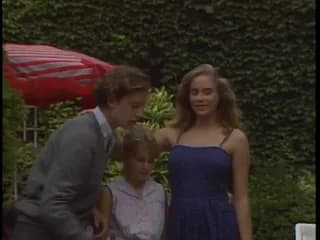
A scene from French in Action episode 8, Généalogie
minutes of video
29
CEFR level
A1+
key words
35
grammar patterns
6

By the end you can

  • name your family in French: père, mère, frère, sœur, oncle, tante, cousin(e), grand-père…
  • say my / your / his-her the French way: mon / ton / son, ma / ta / sa, mes / tes / ses
  • point and introduce: Ça, c'est ma tante. Ce sont mes parents.
  • give ages with avoir: Elle a soixante-dix ans. / ask Elle a quel âge ?
  • say if someone is marié(e), célibataire, veuf / veuve, divorcé(e)
  • talk about what people have (or don't): Il a de l'argent. Il n'a pas d'enfants.
  • ask Qui est-ce ? (a person) and Qu'est-ce que c'est ? (a thing)
  • read years aloud: mille neuf cent douze

Listen out for

Five things to notice the first time you watch. Spotting them is half the lesson.

  • mon, ma, mes every time Mireille introduces someone — which one goes with which word?
  • Ages: Il a … ans — people have years in French
  • Who's married, single (célibataire) or widowed (veuf / veuve)?
  • Marie-Laure's attitude: Je suis occupée ! Tu m'embêtes ! 😄

Scene by scene

The episode in 20 short scenes, with the time each one starts in the video.

  1. Starts at 0:00

    1.Coming up: a family tree

    A short English intro and a preview: Mireille's family tree, a visit to the family's country house, and her little sister.

  2. Starts at 1:03

    2.The family tree

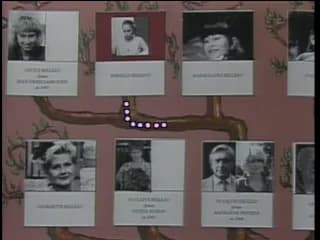
    The teacher shows lots of trees — a dead tree, a Christmas tree — and then a family tree. From great-grandfather Adolphe Belleau in 1912 down to Cécile, Mireille and Marie-Laure.

  3. Starts at 2:43

    3.Who's who in the tree

    Daughter, granddaughter, great-granddaughter. Then Mom's side, the Pothiers: grandmother Louise, cousins Sophie and Philippe, uncle Henri, aunt Juliette.

  4. Starts at 5:40

    4.Meet the family!

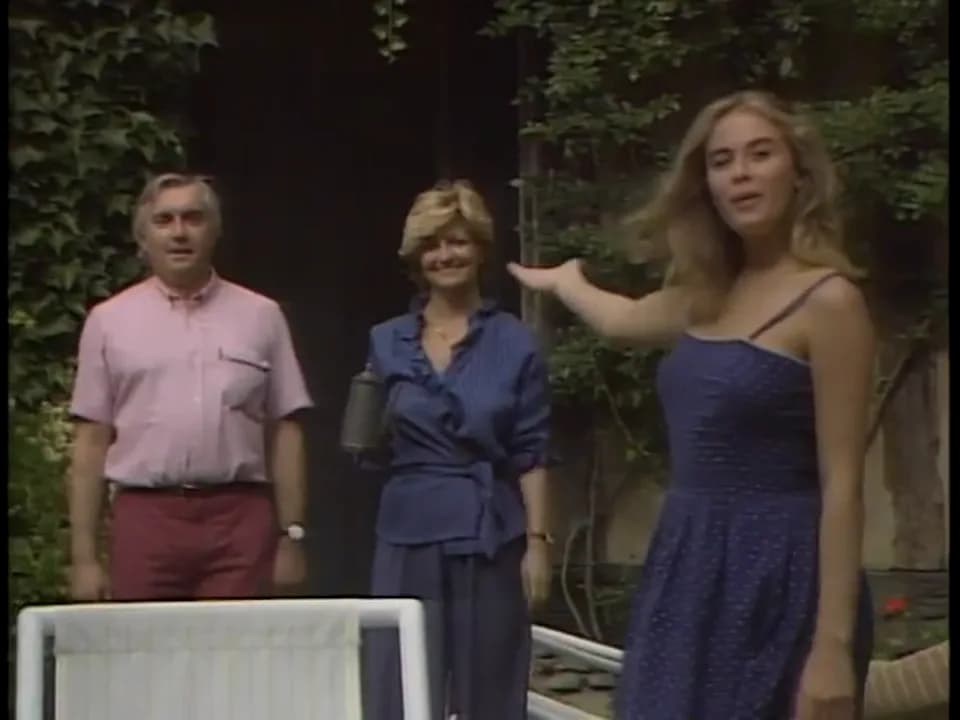
    The teacher calls Mireille, who is sunbathing. She agrees to introduce her family at their country house: her parents, sister Cécile and husband Jean-Denis — and Marie-Laure, who is busy.

  5. Starts at 6:44

    5.Cousins, a widow and a widower

    Cousins Georges and Yvonne. Great-aunt Amélie, 70, is a widow — her husband died in the war in 1940. Great-uncle Casimir, 85, is a widower.

  6. Starts at 7:17

    6.Tonton Guillaume

    Dad's brother Guillaume, 54: rich, doesn't work, always on holiday, lots of connections, not married — and he adores children. Dad thinks he's wonderful; Aunt Georgette says it's easy when you have money.

Show the other 14 scenes
  1. 7Tante GeorgetteDad's sister Georgette, 59: not much money, not married, hates children — even her nephews and nieces. But deep down she's very kind. Some family members aren't here. Mireille offers to show photos… and Marie-Laure grumbles.Starts at 8:17
  2. 8The photo albumMireille at six years old, at six months, her birth announcement in Le Figaro — and Hubert's: they were born on the same day! Then Marie-Laure's birth card.Starts at 9:07
  3. 9Cousin Sophie… and Cro-MagnonJean-Denis likes cousin Sophie's photo. Mireille warns him: she's 17 and has a nasty temper. Then Marie-Laure takes over the album — all the way back to great-great-great-grandfather: Monsieur de Cro-Magnon!Starts at 10:05
  4. 10Présenter & tout le mondeBack in class: présenter = to introduce (lots of film clips of introductions). Then tout le monde (everybody) vs presque tout le monde (almost everybody).Starts at 11:03
  5. 11son père, sa mère, ses parentsThe key grammar: le père de Mireille = son père; la mère de Mireille = sa mère. sa cousine but son amie. Then: does Madame Belleau have a son? No — three daughters.Starts at 11:57
  6. 12Ça, c'est… — your turnThe teacher shows a face and pauses: Ça, c'est… — you answer son père, sa mère, sa sœur… before he does. Then Aunt Georgette and Uncle Guillaume: both single.Starts at 14:29
  7. 13Married, single, widowed, divorcedTante Amélie is a widow (veuve), Oncle Casimir a widower (veuf). A clip of a bachelor who is actually divorced — twice!Starts at 15:43
  8. 14Money, free time, luckUncle Guillaume is rich: il a de la fortune, de l'argent, des loisirs. He's always on holiday. Il a de la chance — he's lucky. Marie-Laure is lucky too (presents!).Starts at 16:36
  9. 15Presents, nephews and niecesGuillaume adores children and always arrives with presents. He has no children, but he has nephews and nieces. Aunt Georgette has nephews and nieces too — and finds children annoying.Starts at 18:20
  10. 16Annoying, bothering, busyagaçant, fatigant, the verb ennuyer (to bother) and its cousin embêter. Marie-Laure is bothered because she's occupée — busy.Starts at 20:17
  11. 17Announcements & a nasty temperBack to the album: a wedding announcement, a death notice, birth announcements (and Botticelli's Birth of Venus!). Cécile looks like Mireille. Sophie isn't bad… but has a nasty temper.Starts at 21:43
  12. 18Your turn: be Jean-DenisListen to Mireille and Jean-Denis, then play Jean-Denis: Elle n'est pas mal, ta cousine. Quel âge a-t-elle ?Starts at 23:46
  13. 19Qui est-ce ? Qu'est-ce que c'est ?Tutu (ballet skirt) vs toutou (doggy)! Then: Qui est-ce ? asks about a person, Qu'est-ce que c'est ? about a thing — plus the casual C'est qui ? C'est quoi ?Starts at 24:26
  14. 20Final quizAnswer the teacher: Qui est-ce ? C'est le père de Mireille ? Non, c'est sa mère. And the last thing? The professor's stick!Starts at 26:11

Key phrases, with Hindi and Punjabi pronunciation

Real lines from this episode, written the way they sound in Latin letters, Devanagari and Gurmukhi.

  • Voilà mon père et ma mère.Here are my father and my mother.
    vwa-LA mo(n) PAIR ay ma MAIRवुआ-ला मोँ पैग़ ए मा मैग़ਵੁਆ-ਲਾ ਮੋਂ ਪੈਗ਼ ਏ ਮਾ ਮੈਗ਼
  • C'est ma petite sœur.This is my little sister.
    say ma puh-teet SÖRसे मा पअ-तीत सöग़ਸੇ ਮਾ ਪਅ-ਤੀਤ ਸöਗ਼
  • Mon cousin Georges et ma cousine Yvonne.My cousin Georges and my cousin Yvonne.
    mo(n) koo-ZA(N) zhorzh ay ma koo-ZEEN ee-VONमोँ कू-ज़ैं झ़ॉग़झ़ ए मा कू-ज़ीन ई-वॉनਮੋਂ ਕੂ-ਜ਼ੈਂ ਝ਼ੌਗ਼ਝ਼ ਏ ਮਾ ਕੂ-ਜ਼ੀਨ ਈ-ਵੌਨ
  • Il a quatre-vingt-cinq ans.He's eighty-five.
    eel a ka-truh-va(n)-sa(n)-KA(N)ईल आ कात्ग़-वैं-सैं-काँਈਲ ਆ ਕਾਤ੍ਗ਼-ਵੈਂ-ਸੈਂ-ਕਾਂ
  • Elle est veuve.She's a widow.
    el ay VÖVऐल ए वöवਐਲ ਏ ਵöਵ

Sounds to master in this episode

French sounds explained through the Hindi and Punjabi sounds you already make, with real lines from the episode to copy.

  • The ü of tu/y/

    ई + ऊ के होंठਈ + ਊ ਦੇ ਬੁੱਲ੍ਹ

    tutu (ballet skirt) ≠ toutou (doggy)! For u, say ई and push your lips into a kiss; for ou, say plain ऊ. Hear the difference in Marie-Laure en tutu / Tante Georgette avec son toutou.

    • Ça, c'est Marie-Laure, en tutu.That's Marie-Laure in a tutu.
    • Et ça, c'est Tante Georgette avec son toutou.And that's Aunt Georgette with her doggy.
  • The ou of vous/u/

    ऊਊ

    Plain ऊ in cousin, cousine, toutou, tout le monde, épouser. Keep it pure — no ü.

    • Mon cousin Georges et ma cousine Yvonne.My cousin Georges and my cousin Yvonne.
  • Liaison & linking‿

    शब्द जोड़ोਸ਼ਬਦ ਜੋੜੋ

    The silent s wakes up as z before a vowel: ils‿ont (they have, eel-ZO(N)) — careful, ils sont (they are) has an s! Also mes‿oncles, des‿enfants, dix‿ans, deux‿enfants.

    • Ils ont deux enfants, Casimir et Anatole.They have two children.
    • Ils ont cinq enfants.They have five children.
  • The nasal an of France/ɑ̃/

    आँ (माँ वाला)ਆਂ (ਮਾਂ ਵਾਲਾ)

    The nasal an / en of enfant, tante, parents, cent, ans, vacances — like the आँ in माँ. Don't pronounce the n!

    • Il a cinquante-quatre ans.He's fifty-four.

Grammar patterns in this episode

Each pattern comes from real lines in the episode. Here is the short version; in the course you notice it in the video first, then drill it.

  1. 1mon, ma, mes · ton, ta, tes · son, sa, ses

    The possessive agrees with the thing owned, not the owner. Masculine noun → mon / ton / son. Feminine noun → ma / ta / sa — but mon / ton / son before a vowel (mon amie, son arrière-grand-mère). Plural → mes / tes / ses (with a z link before a vowel: mes‿oncles). son / sa / ses = his or her — context tells you which.

    From the episode

    Voilà mon père et ma mère.

    Here are my father and my mother.

    Hindi and Punjabi link

    Hindi works the same way: उसका भाई / उसकी बहन — का/की follows the noun, not the owner. So son frère = उसका भाई, sa sœur = उसकी बहन, for a man's or a woman's sibling.

  2. 2C'est… / Ce sont… — and the negative

    C'est + one person or thing (C'est ma tante). Ce sont + plural (Ce sont mes parents) — in casual speech people also say c'est mes parents (the teacher does!), but write ce sont. Negative: ce n'est pas (casually c'est pas).

    From the episode

    Ça, c'est ma tante Georgette.

    That's my aunt Georgette.

    Hindi and Punjabi link

    ये मेरी चाची है / ये मेरे माता-पिता हैं — Hindi also switches है → हैं for plural. French: c'est → ce sont.

  3. 3avoir — to have (and to be … years old)

    avoir (to have): j'ai, tu as, il/elle a, nous avons, vous avez, ils/elles ont. Age = avoir + number + ans: J'ai vingt ans. Ask: Tu as quel âge ? / Quel âge as-tu ? Link: nous‿zavons, vous‿zavez, ils‿zont.

    From the episode

    Ils ont deux enfants, Casimir et Anatole.

    They have two children, Casimir and Anatole.

    Hindi and Punjabi link

    Hindi: मैं बीस साल का हूँ (am). French: J'ai vingt ans (have). Think of मेरे पास बीस साल हैं — 'I have 20 years'.

  4. 4du, de la, de l', des → pas de

    To say some / any (an amount you don't count): du (de + le), de la, de l' (before a vowel), des (de + les). After a negative, they all become de (d' before a vowel): Il n'a pas de fortune, pas d'argent, pas d'enfants. Also after beaucoup: beaucoup de relations.

    From the episode

    Il a de la fortune, comme dit ma tante Georgette.

    He has money, as my aunt Georgette says.

  5. 5Qui est-ce ? · Qu'est-ce que c'est ?

    Person → Qui est-ce ? Thing → Qu'est-ce que c'est ? Casual versions: C'est qui ? / C'est quoi ? Middle: Qui est-ce que c'est ? Answer with C'est… / Ce sont….

    From the episode

    Et ça, qui est-ce ?

    And who's that?

    Hindi and Punjabi link

    Qui = कौन / ਕੌਣ (people), Qu'est-ce que = क्या / ਕੀ (things). Same split as at home.

  6. 6Big numbers & years

    cent (100), deux cents (200 — -s only when nothing follows), deux cent un (201), mille (1000 — never un mille, never -s), deux mille, un million. Years: mille neuf cent douze (or dix-neuf cent douze). You may also see the old spelling mil in written dates: mil neuf cent douze.

    From the episode

    En mille neuf cent douze, Adolphe Belleau épouse Eugénie Daubois.

    In 1912, Adolphe Belleau marries Eugénie Daubois.

Words you will meet

Each word is written the way it sounds in Devanagari and Gurmukhi.

  • la famillef.the familyफ़ा-मीयਫ਼ਾ-ਮੀਯ
  • l'arbre généalogiquem.the family treeलाग़ब्ग़ झ़े-ने-आ-लो-झ़ीकਲਾਗ਼ਬ੍ਗ਼ ਝ਼ੇ-ਨੇ-ਆ-ਲੋ-ਝ਼ੀਕ
  • le père / la mèrem./f.father / motherलअ पैग़ / ला मैग़ਲਅ ਪੈਗ਼ / ਲਾ ਮੈਗ਼
  • les parentsm.parents (also: relatives)ले पा-ग़ाँਲੇ ਪਾ-ਗ਼ਾਂ
  • le fils / la fillem./f.son / daughter (fille also = girl)लअ फ़ीस / ला फ़ीयਲਅ ਫ਼ੀਸ / ਲਾ ਫ਼ੀਯ
  • le frère / la sœurm./f.brother / sisterलअ फ़्ग़ैग़ / ला सöग़ਲਅ ਫ਼੍ਗ਼ੈਗ਼ / ਲਾ ਸöਗ਼
  • l'oncle / la tantem./f.uncle / auntलोँक्ल / ला ताँतਲੋਂਕ੍ਲ / ਲਾ ਤਾਂਤ
  • le cousin / la cousinem./f.cousin (male / female)लअ कू-ज़ैं / ला कू-ज़ीनਲਅ ਕੂ-ਜ਼ੈਂ / ਲਾ ਕੂ-ਜ਼ੀਨ
  • le grand-père / la grand-mèrem./f.grandfather / grandmotherलअ ग्ग़ाँ-पैग़ / ला ग्ग़ाँ-मैग़ਲਅ ਗ੍ਗ਼ਾਂ-ਪੈਗ਼ / ਲਾ ਗ੍ਗ਼ਾਂ-ਮੈਗ਼
  • le petit-fils / la petite-fillem./f.grandson / granddaughterलअ पअ-ती-फ़ीस / ला पअ-तीत-फ़ीयਲਅ ਪਅ-ਤੀ-ਫ਼ੀਸ / ਲਾ ਪਅ-ਤੀਤ-ਫ਼ੀਯ
  • arrière-great- (one more generation)आ-ग़्यैग़ਆ-ਗ਼੍ਯੈਗ਼
  • le neveu / la niècem./f.nephew / nieceलअ नअ-वö / ला न्यैसਲਅ ਨਅ-ਵö / ਲਾ ਨ੍ਯੈਸ

Plus 23 more words in the lesson, each with its pronunciation.

Practice in all four skills

Listening, speaking, reading and writing: the four skills TEF Canada and TCF Canada score. Every task is built from this episode's own lines.

  • Listening

    8 dictation lines cut from the video: hear it, type it, check every accent. Plus 14 textbook audio drills.

    A line you will write down

    Ils ont cinq enfants.

    They have five children.

  • Speaking

    Shadow 8 lines after the actors, answer 6 questions aloud, then a short role-play with Mireille.

    How the role-play opens

    Tiens, regarde mon album ! Ça, ce sont mes parents. Et toi, tu as des frères et sœurs ?

    Here, look at my album! These are my parents. And you, do you have brothers and sisters?

  • Reading

    A short story, “La famille de Mireille”, retold with this episode's words, then 6 questions on it.

    The story starts

    Aujourd'hui, nous étudions l'arbre généalogique de Mireille.

  • Writing

    8 fill-in sentences, 6 sentences to build and 2 short writing tasks with feedback.

    A writing task

    Introduce your own family, like Mireille. Name 4–5 people, say who they are to you, and give at least two ages.

Then a self-test of 8 questions to finish the episode, and new words go into your review deck.

Culture notes

À la guerre, en '40

Tante Amélie's husband est mort à la guerre en quarante. World War II began in 1939; France was defeated in June 1940 and the north, including Paris, was occupied. On 18 June 1940 General de Gaulle called for resistance from London (l'appel du 18 juin). The war ended in 1945 — every French family has someone like Amélie's husband.

Hindi and Punjabi linkWell over a hundred thousand Indian soldiers fought in France in the First World War. Their names are on memorials there, like the one at Neuve-Chapelle.


Faire-part: births in the newspaper

French families send printed cards — faire-part — for births, weddings and deaths. Posh families also put an annonce in Le Figaro: Hubert's reads like a who's who of counts and marquises! Notice Mme Belleau is née Pothier — née = born (her maiden name).

Hindi and Punjabi linkLike a wedding कार्ड that lists the whole family — सुपुत्र / सुपुत्री, grandparents and all.

Family words: French is simpler

French has one word each: oncle, tante, cousin, grand-père. Dad's side or Mom's side? You add du côté de papa / du côté de maman. Children use cosy forms: papa, maman, tonton, tata, papi, mamie. The French talk of the famille restreinte (close family) and the famille large (uncles, aunts, cousins…).

Hindi and Punjabi linkHindi/Punjabi have a word for every link — चाचा, मामा, ताया, फूफा; मौसी, बुआ, चाची, मामी. In French, all of those are just oncle or tante!

Who is in it

  • Mireilleour heroine — today she's the family tour guide
  • Marie-LaureMireille's 10-year-old sister — busy, cheeky, never comes when called
  • Jean-DenisCécile's husband — very interested in cousin Sophie's photo
  • Tante GeorgetteDad's sister: single, not rich, finds children annoying (but kind deep down)
  • Tonton GuillaumeDad's rich bachelor brother — always on holiday, always bringing presents
  • M. BelleauMireille's father, François — thinks Guillaume is wonderful
  • Tante Améliegreat-aunt, 70, a widow since the war
  • Sophiecousin on Mom's side (a Pothier), 17 — pretty, with a nasty temper

Watch this episode in your free trial

Start with Episode 1 free in two taps. Add your email when you are ready and every episode, this one included, opens for 7 days. No card needed.

Start free with Episode 1

What you get

  • Warm-up, tap-to-translate captions, words & patterns, practice
  • Hindi and Punjabi pronunciation help
  • Printable watch guide, master guide, transcript, textbook, and workbook
  • New words saved to your spaced review deck

Coming up next

Episode 9 — Décrire les autres I. A flashback to a rainy holiday in Brittany: Mireille, her sisters and cousins Georges and Yvonne are bored stiff — so they play portraits, describing people from the family you met today.