
French

Part 1 · Foundations

Episode 1: Orientation

Orientation — how the course works

  • 28 min video
  • About 95 min with practice
  • A1
  • Free

Jump into the pool! The one mostly-English episode: how French in Action works — plus your first real French: bonjour, salut, je m'appelle… and a first look at Mireille.

Two taps and you are watching: no form, no card. Save your progress with your email whenever you like.

A scene from French in Action episode 1, Orientation
minutes of video
28
CEFR level
A1
key words
30
grammar patterns
5

By the end you can

  • say hello and goodbye the right way: Bonjour, madame / Salut ! / Au revoir
  • ask and give a name: Comment vous vous appelez ? — Je m'appelle…
  • ask Ça va ? and answer Ça va.
  • understand simple street questions: age (J'ai vingt ans) and where people live
  • work out a word's meaning from situations — apprendre, pressé, malade
  • use pas to mean not: pas malade, pas pressé
  • follow the rules of the game: observe, imitate, speak up, practise

Listen out for

Five things to notice the first time you watch. Spotting them is half the lesson.

  • When do people say bonjour, and when salut? (Watch who is arriving and who is leaving.)
  • The street interviews: Comment vous vous appelez ? → Je m'appelle…
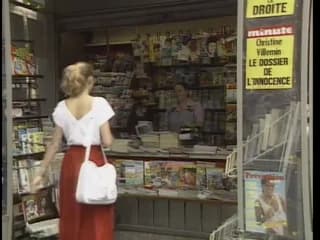
  • Your first look at Mireille at a newspaper kiosk
  • The four rules at the end: observe, imitate, speak up, practise

Scene by scene

The episode in 17 short scenes, with the time each one starts in the video.

  1. Starts at 0:00

    1.Cold open: a family photo

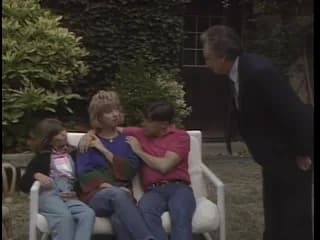
    Someone shows photos of their parents: Papa, maman… voilà mon père et ma mère.

  2. Starts at 0:25

    2.A swimming pool of French

    What French in Action is: 52 programs, one idea — immersion. Students admit it felt scary at first, then fast and fun.

  3. Starts at 2:30

    3.Real people on the street

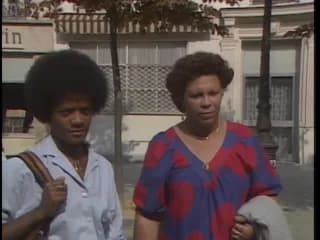
    Parisians answer an interviewer: their names, their ages, where they live. A man spells his name, a lady has lived in Paris 35 years.

  4. Starts at 4:00

    4.Words shown by real life

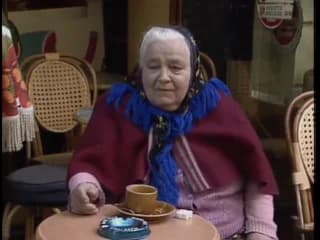
    An 85-year-old lady is tired (fatiguée), a woman in a car feels sick (malade), a restaurant ad shows manger. Then feelings without words.

  5. Starts at 5:29

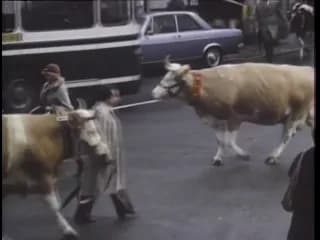
    5.The cows & the cartoonists

    A milk ad with very relaxed cows teaches 'pas pressé' (not in a hurry). Then French cartoons: humour you understand from inside the culture.

  6. Starts at 6:41

    6.First look at Mireille

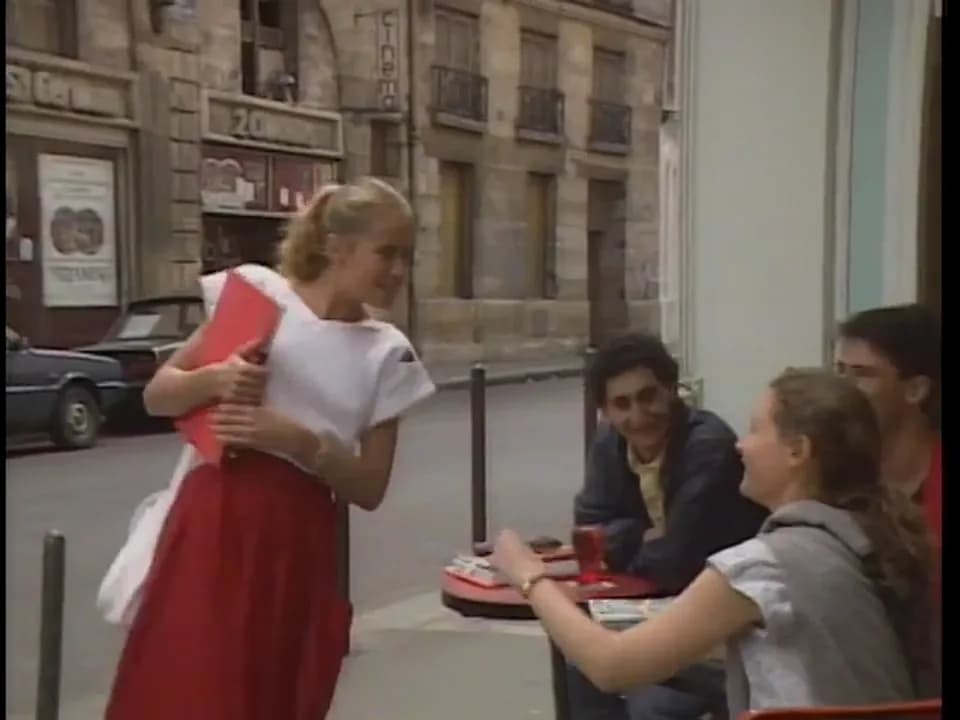
    Madame Rosa greets Mireille: Bonjour, ça va ? Au revoir. 'Vous voyez ? Elle parle français.' No English is ever spoken.

Show the other 11 scenes
  1. 7Why no English?Students admit it's intimidating. Pierre Capretz explains: French is not coded English. To learn what a word means, watch the circumstances in which it's used.Starts at 7:13
  2. 8Case study: bonjourGood day? Hello? Hi? Not exactly. Watch people meet — bonjour is what you say when you meet someone.Starts at 9:05
  3. 9Case study: salutFriends say salut when they meet… and when they leave! Salut is a casual hi AND bye.Starts at 9:40
  4. 10Case study: apprendreA teacher: nous allons apprendre le français. A child learns to read, a girl to knit, a man to swim… apprendre = to learn.Starts at 10:06
  5. 11pressé / pas pressé, malade / pas maladeSomeone in a hurry vs someone strolling; someone sick vs someone healthy. You work it out: pas = not. Don't worry if you don't get it all first time.Starts at 11:12
  6. 12The story & its charactersA light, playful tale: Robert, a young American, meets Mireille — plus her sister Marie-Laure, aunt Georgette, uncle Guillaume, friends Colette, Hubert and Jean-Pierre.Starts at 12:25
  7. 13How a lesson works — ears firstPart 1 is the story, part 2 explains its words (elle est fatiguée, il est fatigué…). You hear French before you read it: 'comment' is not 'COM-ment'!Starts at 14:37
  8. 14Your turn: speak up!In every program the video freezes so YOU can say a character's line — out loud, as if across the room. Then the audio, the textbook, the workbook.Starts at 16:32
  9. 15Reinvent the storyAt the end of each lesson you remix what you know into a new mini-story: Non, je ne suis pas malade, mais je suis pressée… Je vais à Tahiti. Salut !Starts at 19:22
  10. 16Gestures: Laurence WylieCommunication comes from the whole body: handshakes on arriving AND leaving, Jean-Pierre's shrug, the counterman's eye-roll at a 500-franc note. Oh là là !Starts at 20:50
  11. 17The rules of the gameObserve. Imitate. Speak up. Practise — a little every day. Then the credits.Starts at 23:54

Key phrases, with Hindi and Punjabi pronunciation

Real lines from this episode, written the way they sound in Latin letters, Devanagari and Gurmukhi.

  • Bonjour !Hello! (anyone, all day)
    bo(n)-ZHOORबोँ-झ़ूग़ਬੋਂ-ਝ਼ੂਗ਼
  • Salut !Hi! / Bye! (friends only)
    sa-LÜसा-lüਸਾ-lü
  • Au revoir.Goodbye.
    oh ruh-VWARओ ग़अ-वुआग़ਓ ਗ਼ਅ-ਵੁਆਗ਼
  • Ça va ?How's it going? / OK?
    sa VAसा वाਸਾ ਵਾ
  • Je m'appelle France.My name is France.
    zhuh ma-PEL FRA(N)SSझ़अ मा-पैल फ़्ग़ाँसਝ਼ਅ ਮਾ-ਪੈਲ ਫ਼੍ਗ਼ਾਂਸ

Sounds to master in this episode

French sounds explained through the Hindi and Punjabi sounds you already make, with real lines from the episode to copy.

  • The ü of tu/y/

    ई + ऊ के होंठਈ + ਊ ਦੇ ਬੁੱਲ੍ਹ

    The brand-new sound: say ई, keep your tongue there, and push your lips into an ऊ circle. salut, tu, sûr. Keep tu (you) different from tout (all).

    • Salut.Hi.
    • Bien sûr.Of course.
  • The French R/ʁ/

    ग़ (हल्का)ਗ਼ (ਹਲਕਾ)

    The French r comes from the back of the throat — your Urdu/Punjabi ग़ / ਗ਼ (as in ग़ज़ल), softened. bonjour, au revoir, Paris.

    • Au revoir, mademoiselle.Goodbye, miss.
    • Vous habitez à Paris ?Do you live in Paris?
  • The nasal an of France/ɑ̃/

    आँ (माँ वाला)ਆਂ (ਮਾਂ ਵਾਲਾ)

    Nose vowels with no n at the end — like the chandrabindu in माँ: France, comment, ans.

    • Je m'appelle France.My name is France.
    • J'ai vingt ans.I'm twenty.
  • Silent final letters∅

    मत बोलोਨਾ ਬੋਲੋ

    Final letters are usually silent: comment, Paris, vous, salut. The ones you say are in CaReFuL: bonjour, il.

    • Comment vous vous appelez ?What's your name?
  • Equal beats♩♩♩

    तबला ठेकाਤਬਲਾ ਠੇਕਾ

    English punches one syllable (CAP-tain). French gives each syllable equal weight — ca · pi · taine, fa · ti · guée — like a steady tabla theka, the last beat a little longer.

    • J'ai 85 ans, alors je suis fatiguée.I'm 85, so I'm tired.

Grammar patterns in this episode

Each pattern comes from real lines in the episode. Here is the short version; in the course you notice it in the video first, then drill it.

  1. 1Saying your name: je m'appelle

    French says I call myself: je m'appelle + name. To ask: Comment vous vous appelez ? (polite) or Comment tu t'appelles ? (child, friend). A quick casual answer: Moi, c'est + name.

    From the episode

    Comment vous vous appelez ?

    What's your name? (polite)

    Hindi and Punjabi link

    आपका नाम क्या है? → Comment vous vous appelez ? · तेरा नाम क्या है? → Comment tu t'appelles ? Answer: मेरा नाम… है → Je m'appelle…

  2. 2tu or vous? (तू or आप?)

    tu = one person you're close to, or a child. vous = a stranger, an adult you respect, or any group. The verb changes too: tu as / vous avez.

    From the episode

    Comment vous vous appelez ?

    What's your name? (to an adult)

    Hindi and Punjabi link

    You already live this rule: you'd never say तू to your teacher. Not sure? Use vous — too polite is never rude.

  3. 3Age with avoir: j'ai vingt ans

    Age uses avoir (to have): j'ai … ans = I have … years. The question: Quel âge avez-vous ? / Quel âge as-tu ? A short answer is fine: Douze ans.

    From the episode

    Quel âge avez-vous ? — J'ai vingt ans.

    How old are you? — I'm twenty.

    Hindi and Punjabi link

    Don't translate from मैं बीस साल का हूँ — learn j'ai vingt ans as one block, like a song line.

  4. 4je suis + how I feel

    je suis = I am, il/elle est = he/she is. A describing word adds -e for a woman: fatigué → fatiguée, pressé → pressée — it sounds exactly the same. Words already ending in -e don't change: malade.

    From the episode

    J'ai 85 ans, alors je suis fatiguée.

    I'm 85, so I'm tired.

    Hindi and Punjabi link

    fatigué = थका · ਥੱਕਿਆ, fatiguée = थकी · ਥੱਕੀ — the word agrees with the person, just like at home.

  5. 5pas = not

    pas = not: pressé / pas pressé, malade / pas malade. Around a verb it's a sandwich: ne + verb + pas → je ne suis pas malade, ça ne va pas.

    From the episode

    Elle est malade.

    She is sick.

    Hindi and Punjabi link

    Hindi puts नहीं before the verb. French wraps it: ne … pas. Listen for pas — it's the real 'not'.

Words you will meet

Each word is written the way it sounds in Devanagari and Gurmukhi.

  • bonjourhello (when you meet anyone, all day)बोँ-झ़ूग़ਬੋਂ-ਝ਼ੂਗ਼
  • salut !hi! / bye! (friends only)सा-lüਸਾ-lü
  • au revoirgoodbyeओ ग़अ-वुआग़ਓ ਗ਼ਅ-ਵੁਆਗ਼
  • ça va ?how's it going? / fineसा वाਸਾ ਵਾ
  • madame / mademoiselle / monsieurm./f.Mrs / Miss / Mr (also: ma'am / sir)मा-दाम / माद-मुआ-ज़ैल / मअ-स्यöਮਾ-ਦਾਮ / ਮਾਦ-ਮੁਆ-ਜ਼ੈਲ / ਮਅ-ਸ੍ਯö
  • Comment vous vous appelez ?What's your name? (polite)को-माँ वू वू ज़ा-प्लेਕੋ-ਮਾਂ ਵੂ ਵੂ ਜ਼ਾ-ਪ੍ਲੇ
  • Comment tu t'appelles ?What's your name? (child / friend)को-माँ tü ता-पैलਕੋ-ਮਾਂ tü ਤਾ-ਪੈਲ
  • je m'appelle…my name is… (lit. I call myself)झ़अ मा-पैलਝ਼ਅ ਮਾ-ਪੈਲ
  • Et vous ?And you?ए वूਏ ਵੂ
  • moi / toime / you (stressed)मुआ / तुआਮੁਆ / ਤੁਆ
  • Quel âge avez-vous ?How old are you? (polite)कैल आझ़ आ-वे-वूਕੈਲ ਆਝ਼ ਆ-ਵੇ-ਵੂ
  • j'ai … ansI'm … years old (lit. I have … years)झ़े वैं-ताँਝ਼ੇ ਵੈਂ-ਤਾਂ

Plus 18 more words in the lesson, each with its pronunciation.

Practice in all four skills

Listening, speaking, reading and writing: the four skills TEF Canada and TCF Canada score. Every task is built from this episode's own lines.

  • Listening

    7 dictation lines cut from the video: hear it, type it, check every accent. Plus 4 textbook audio drills.

    A line you will write down

    Allez, salut.

    OK, bye.

  • Speaking

    Shadow 8 lines after the actors, answer 6 questions aloud, then a short role-play with Nicole.

    How the role-play opens

    Bonjour ! Comment vous vous appelez ?

    Hello! What's your name?

  • Reading

    A short story, “Voilà French in Action”, retold with this episode's words, then 5 questions on it.

    The story starts

    Voilà French in Action.

  • Writing

    8 fill-in sentences, 6 sentences to build and 2 short writing tasks with feedback.

    A writing task

    You're stopped by a street interviewer in Paris. Write your answers: your name, your age, where you live.

Then a self-test of 8 questions to finish the episode, and new words go into your review deck.

Culture notes

Handshakes — arriving AND leaving

Laurence Wylie's favourite example: Mireille, late for class, stops at a café, shakes hands with everyone and kisses her friend (la bise)… then, leaving a minute later, shakes all their hands again. Strange to Americans — essential in France.

Hindi and Punjabi linkLike greeting every चाचा-ताऊ at a function when you arrive and again when you leave. Skipping it is rude in both cultures!


Talk with your whole body

The French shrug, the pout, the eye-roll to the sky, the hands up — Oh là là ! The course asks you to imitate the gestures as well as the words, because communication comes 'from the whole body'.

1066: why English looks French

When the French-speaking Normans conquered England in 1066, French flooded into English. That's why government, restaurant, biology look so familiar — and why tennis comes from French Tenez ! ('Here, take it!'). Learn the ending swaps: -ment → -ly, -eux → -ous, ê → es (forêt → forest).

Who is in it

  • MireilleParis student — the heroine you'll follow for 52 episodes
  • Mme Rosasells newspapers at a kiosk — says bonjour to Mireille
  • ColetteMireille's best friend, at a café
  • Roberta young American just arrived in Paris — the hero
  • Jean-Pierrea chance acquaintance who talks with his whole body
  • Le professeurPierre Capretz, creator of the course and your on-screen guide
  • Laurence WylieHarvard professor — explains French gestures

Watch Episode 1 free, right now

Two taps and you are watching: no form, no card. Save your progress with your email whenever you like.

Watch Episode 1 free

What you get

  • Warm-up, tap-to-translate captions, words & patterns, practice
  • Hindi and Punjabi pronunciation help
  • Printable watch guide, master guide, transcript, textbook, and workbook
  • New words saved to your spaced review deck

Coming up next

Episode 2 — Genèse I. The story finally begins! Mireille rushes to class through Paris and greets everyone she meets: bonjour, salut, ça va, au revoir — everything you met today, in action.