


French

Part 1 · Foundations

Episode 3: Genèse II

Genesis II — let's invent a story

  • 29 min video
  • About 116 min with practice
  • A1

The class holds a story meeting: a young American man, a young French woman, friends, trips, adventures… Almost every line is nous allons + verb — the 'going to' future. Espérons !

Start with Episode 1 free in two taps. Add your email when you are ready and every episode, this one included, opens for 7 days. No card needed.

A scene from French in Action episode 3, Genèse II
minutes of video
29
CEFR level
A1
key words
34
grammar patterns
5

By the end you can

  • say what's going to happen: Nous allons inventer une histoire. Ça va être utile.
  • say what's not going to happen: Il ne va pas être italien.
  • tell apart and answer 4 questions: Est-ce que… ? Qu'est-ce que… ? Qui… ? Pourquoi… ?
  • give a reason: parce que ça va être utile / pour apprendre le français
  • use un / une / des and le / la / l' / les with the episode's nouns
  • make he/she nationality pairs: américain / américaine, anglais / anglaise, italien / italienne
  • react in a discussion: D'accord ? — Pourquoi pas ? — Espérons !

Listen out for

Five things to notice the first time you watch. Spotting them is half the lesson.

  • Almost every sentence is nous allons / ça va + a verb — the 'going to' future
  • The nationality game: answer Non ! with the class until they reach the right one
  • He-words vs she-words: américain / américaine, anglais / anglaise
  • The sceptic student and his Espérons… 🙄
  • Marie-Laure's string telephone and her chocolates 🍫

Scene by scene

The episode in 25 short scenes, with the time each one starts in the video.

  1. Starts at 0:00

    1.A last bit of English

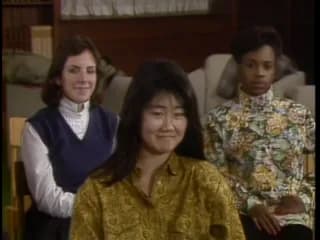
    A short English intro: back in class, the teacher announces we're going to invent a story about an American man and a French woman. 'Let's hope so.'

  2. Starts at 1:00

    2.Bonjour with a title

    The teacher greets people one by one — Bonjour, mademoiselle / madame / monsieur — the Episode 2 habit.

  3. Starts at 1:50

    3.'You already speak French!'

    I'm the teacher, you're the students, we're going to learn French. One student answers so well that the teacher asks: are you French? — No… just a little bit.

  4. Starts at 2:30

    4.Let's invent a story. Why?

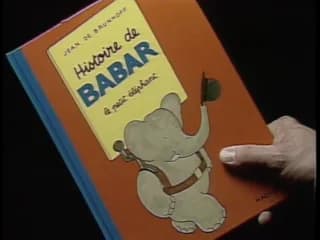
    To learn French, we'll invent a story — like Babar, Astérix, Little Red Riding Hood. The sceptic asks: what for? Because it'll be useful.

  5. Starts at 3:34

    5.Who invents it? Vous ou nous?

    Who's going to invent the story — you or us? Both! The teacher proposes, the students invent with him, together.

  6. Starts at 4:15

    6.A story about… whom?

    An elephant? Hansel and Gretel? Paul et Virginie? No: two young people — a young man and a young woman. Why not?

Show the other 19 scenes
  1. 7His nationalityIs the young man going to be Italian? Spanish? English? Japanese? Norwegian? No, no, no… American!Starts at 4:52
  2. 8Her nationalityAnd the young woman? American? Norwegian? Japanese? English? French! Because that'll be useful for learning French.Starts at 5:50
  3. 9Friends, trips, a gameThe young people will have lots of friends, adventures and trips. It'll be a game, fun and useful. The sceptic: 'Let's hope so…'Starts at 6:52
  4. 10Mesdames, messieurs… écoutez!Plural titles (mesdames, mesdemoiselles, messieurs), then lots of listening: il écoute, elle écoute. The teacher talks, the students listen — and later they'll talk too.Starts at 7:41
  5. 11Inventions — and a tin-can phoneA story like Babar or Winnie the Pooh. Inventions: the wheel, gunpowder, the light bulb… and Marie-Laure's string telephone!Starts at 10:02
  6. 12Young man, lady, priest?Is that a young woman? No, that's a lady. And that? A priest! A little girl, a little boy, young people…Starts at 10:59
  7. 13Choosing nationalitiesIl faut choisir — you have to choose (fruit, a card…). The young woman: American? Italian? English? The young man: Italian? Norwegian? Why not?Starts at 12:19
  8. 14Il est américain, elle est américainePairs of pictures: he's American / she's American, Italian / Italian, English / English, French / French — listen to the she-forms.Starts at 13:53
  9. 15Un ami, une amie, beaucoup d'amisOusmane, un ami. Annick, une amie. Then 'lots of…': students, balloons, boats, money.Starts at 14:24
  10. 16Pourquoi pas ?Marie-Laure eating chocolates: 'You'll be sick!' — 'Why not?' Then strangers in the street asked odd questions answer 'Pourquoi pas ?'Starts at 15:34
  11. 17Trips and adventuresTrips by train, car, plane, helicopter… and all sorts of adventures — even romantic ones.Starts at 16:15
  12. 18Moi, toi, lui, eux…Who's going to invent all that? Lots of pointing: you, her, him, them, us. You and me = us.Starts at 17:00
  13. 19Together — but do they agree?We'll discuss the story. People arguing, couples who are together — some agree (d'accord), some don't (pas d'accord).Starts at 17:41
  14. 20Games and funIt's going to be a game: belote (cards), the chin-holding game, hopscotch, Guignol puppets, a joke… Is it fun? Yes!Starts at 19:18
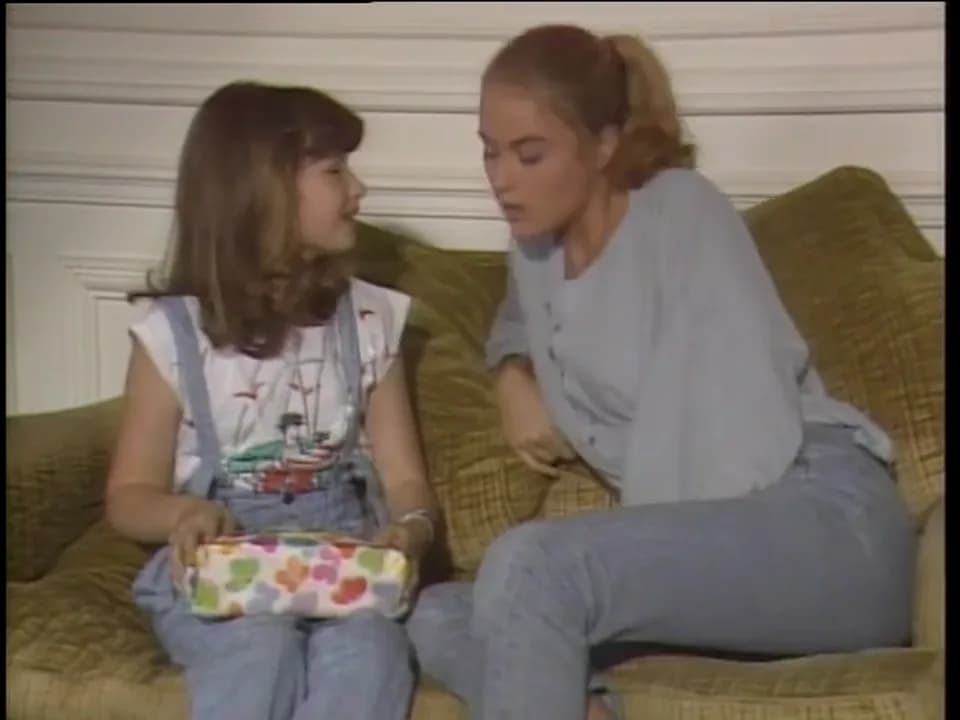
  15. 21Let's hope soEspérons! Marie-Laure hopes the box is chocolates… Zut! It isn't. Tante Georgette hopes she'll feel better.Starts at 20:18
  16. 22Your turn: be Jean-MichelA short dialogue between Mireille and Jean-Michel. Then YOU say Jean-Michel's lines in the pauses.Starts at 21:36
  17. 23Useful or not?A pencil is useful for writing, glasses for reading, a key for opening. A tie is pretty but not useful. Then a quiz: say oui or non!Starts at 22:55
  18. 24Going to… vs doing nowJe vais promener Fido (about to) vs je promène Fido (doing it now). Il va manger → il mange. Ousmane va travailler → il travaille.Starts at 23:49
  19. 25Finish the teacher's sentencesA last recap: the teacher stops mid-sentence and you complete it — le français, une histoire, deux jeunes gens, amusant et utile. Espérons!Starts at 25:33

Key phrases, with Hindi and Punjabi pronunciation

Real lines from this episode, written the way they sound in Latin letters, Devanagari and Gurmukhi.

  • Nous allons inventer une histoire.We're going to invent a story.
    noo-za-LO(N) za(n)-va(n)-TAY ü-nees-TWARनू-ज़ा-लोँ ज़ैँ-वाँ-ते ü-नीस-तुआग़ਨੂ-ਜ਼ਾ-ਲੋਂ ਜ਼ੈਂ-ਵਾਂ-ਤੇ ü-ਨੀਸ-ਤੁਆਗ਼
  • Ça va être utile.It's going to be useful.
    sa va EH-truh ü-TEELसा वा ऐत्ग़ ü-तीलਸਾ ਵਾ ਐਤ੍ਗ਼ ü-ਤੀਲ
  • Vous êtes d'accord ?Do you agree? / OK?
    voo-ZET da-KOR?वू-ज़ैत दा-कोग़?ਵੂ-ਜ਼ੈਤ ਦਾ-ਕੋਗ਼?
  • Pourquoi pas ?Why not?
    poor-kwa PA?पूग़-कुआ पा?ਪੂਗ਼-ਕੁਆ ਪਾ?
  • un jeune homme et une jeune fillea young man and a young woman
    uh(n) zhö-NOM ay ün zhön FEEअँ झ़ö-नोम ए ü-न झ़ön फ़ीਅਂ ਝ਼ö-ਨੋਮ ਏ ü-ਨ ਝ਼ön ਫ਼ੀ

Sounds to master in this episode

French sounds explained through the Hindi and Punjabi sounds you already make, with real lines from the episode to copy.

  • Equal beats♩♩♩

    तबला ठेकाਤਬਲਾ ਠੇਕਾ

    Tonic stress: French gives the last syllable of each group a little extra length — nowhere else. Pour apprendre le français | nous allons inventer une histoire. English stresses inside words (imPORtant); French doesn't.

    • Pour apprendre le français, nous allons inventer une histoire.To learn French, we're going to invent a story.
  • The crisp i of il/i/

    ई (छोटा)ਈ (ਛੋਟਾ)

    il = a tight, smiley ee (इ). It must be different from elle — that one sound tells you he or she. And the l is the light Hindi ल, tongue behind the top teeth — never the dark English 'ill'.

    • Il est italien.He is Italian.
    • Il est anglais.He is English.
  • The open è of père/ɛ/

    ऐ (है वाला)ਐ (ਹੈ ਵਾਲਾ)

    elle = an open è (ऐ), mouth relaxed, like 'bell'. Say il / elle in pairs until they feel different.

    • Elle est italienne.She is Italian.
    • Elle est anglaise.She is English.
  • The nasal in of vin/ɛ̃/

    ऐंਐਂ

    américain, italien end in the nasal in (ऐँ) — no n. Add -e and the nasal turns into a clean vowel + n: américaine, italienne.

    • Il est américain.He is American.
    • Elle est américaine.She is American.
  • Liaison & linking‿

    शब्द जोड़ोਸ਼ਬਦ ਜੋੜੋ

    Articles wake up before a vowel: un‿n‿ami, des‿z‿amis, les‿z‿étudiants. Before a consonant they stay quiet: un jeune homme, des professeurs.

    • Un ami, des amis.One friend, several friends.

Grammar patterns in this episode

Each pattern comes from real lines in the episode. Here is the short version; in the course you notice it in the video first, then drill it.

  1. 1aller + verb: the 'going to' future

    Immediate future = aller (conjugated) + infinitive. The aller part changes (je vais, tu vas, il va, nous allons, vous allez, ils vont); the second verb stays in its dictionary form: nous allons inventer. To say 'not', wrap aller: il ne va pas être italien. Compare the present: il mange (now) vs il va manger (about to).

    From the episode

    Nous allons inventer une histoire.

    We are going to invent a story.

    Hindi and Punjabi link

    Je vais manger = मैं खाने वाला हूँ / ਮੈਂ ਖਾਣ ਲੱਗਾ ਹਾਂ. The 'going' part changes with the person, the 'eat' part stays — same logic.

  2. 2Four kinds of questions

    Est-ce que…? → oui / non. Qu'est-ce que…? → a thing (une histoire). Qui (est-ce qui)…? → a person (nous, le professeur). Pourquoi (est-ce que)…? → a reason: parce que + sentence (parce que ça va être utile) or pour + verb (pour apprendre le français).

    From the episode

    Est-ce qu'elle va être américaine?

    Is she going to be American?

    Hindi and Punjabi link

    parce que = क्योंकि; pour + verb = …ने के लिए (सीखने के लिए = pour apprendre).

  3. 3un, une, des · le, la, l', les

    un / une = a (masc. / fem.), des = some (plural, both). le / la = the (masc. / fem.), l' before a vowel or silent h (l'ami, l'histoire), les = the (plural). Use un/une for any one (une jeune fille française), le/la for the specific one (la jeune fille de l'histoire). The plural -s is silent — the article tells your ear: le professeur / les professeurs.

    From the episode

    Un jeune homme et une jeune fille.

    A young man and a young woman.

    Hindi and Punjabi link

    Hindi has no 'a / the', but it has का / की — the little word shows gender. Learn every noun with its tag: un voyage, une aventure.

  4. 4He's américain, she's américaine

    Nationality words add -e for a woman, and the she-form sounds longer: -ais → -aise (a z appears), -ain → -aine and -ien → -ienne (the nasal becomes a real n; -ienne has nn). Words already ending in -e don't change (suisse, belge). As a describing word: small letter (il est français); as a person: capital (un Français).

    From the episode

    Regardez ce jeune homme. Il est américain.

    Look at this young man. He is American.

    Hindi and Punjabi link

    Je suis indien (a-DYA(N)) · Je suis indienne (a-DYEN). Like अच्छा / अच्छी — you already change the word for a woman.

  5. 5moi, toi, lui, eux… pointing words

    Stress pronouns: moi, toi, lui, elle, nous, vous, eux, elles. Use them 1) to contrast or insist: Moi, je propose. Vous, vous discutez. 2) alone: Qui ? — Nous ! · Et toi ? 3) after a little word like avec: avec moi.

    From the episode

    Mais nous, vous et moi, moi je vais proposer l'histoire.

    Why, us: you and me. I am going to propose the story.

    Hindi and Punjabi link

    It's the तो feeling: Moi, je ne vais pas à la fac (Episode 2 Hubert!) = मैं तो कॉलेज नहीं जा रहा / ਮੈਂ ਤਾਂ…

Words you will meet

Each word is written the way it sounds in Devanagari and Gurmukhi.

  • une histoiref.a story (also: history)ü-नीस-तुआग़ü-ਨੀਸ-ਤੁਆਗ਼
  • inventerto invent, make upऐँ-वाँ-तेਐਂ-ਵਾਂ-ਤੇ
  • proposerto propose, suggestप्ग़ो-पो-ज़ेਪ੍ਗ਼ੋ-ਪੋ-ਜ਼ੇ
  • discuterto discuss, argueदीस-kü-तेਦੀਸ-kü-ਤੇ
  • choisirto chooseशुआ-ज़ीग़ਸ਼ੁਆ-ਜ਼ੀਗ਼
  • écouterto listen (to)ए-कू-तेਏ-ਕੂ-ਤੇ
  • parlerto talk, speakपाग़-लेਪਾਗ਼-ਲੇ
  • espérer · Espérons !to hope · Let's hope so!ऐस-पे-ग़ोँ!ਐਸ-ਪੇ-ਗ਼ੋਂ!
  • un jeune hommem.a young manअँ झ़ö-नोमਅਂ ਝ਼ö-ਨੋਮ
  • une jeune fillef.a young woman, a girlü-न झ़ön फ़ीü-ਨ ਝ਼ön ਫ਼ੀ
  • des jeunes gensm.young people (a young man + a young woman, or several young men)दे झ़ön झ़ाँਦੇ ਝ਼ön ਝ਼ਾਂ
  • un ami · une amiem./f.a friend (m · f)अँ-ना-मी · ü-ना-मीਅਂ-ਨਾ-ਮੀ · ü-ਨਾ-ਮੀ

Plus 22 more words in the lesson, each with its pronunciation.

Practice in all four skills

Listening, speaking, reading and writing: the four skills TEF Canada and TCF Canada score. Every task is built from this episode's own lines.

  • Listening

    8 dictation lines cut from the video: hear it, type it, check every accent. Plus 8 textbook audio drills.

    A line you will write down

    Ça va être utile.

    It's going to be useful.

  • Speaking

    Shadow 8 lines after the actors, answer 6 questions aloud, then a short role-play with Le professeur.

    How the role-play opens

    Bonjour ! Nous allons inventer une histoire. Vous êtes d'accord ?

    Hello! We're going to invent a story. Do you agree?

  • Reading

    A short story, “La réunion de l'histoire”, retold with this episode's words, then 5 questions on it.

    The story starts

    Dans une salle de cours, il y a un professeur et des étudiants.

  • Writing

    8 fill-in sentences, 6 sentences to build and 2 short writing tasks with feedback.

    A writing task

    You're on the writing team! Propose your own story: who it's about, their nationalities, and what they'll have. Use ça va être and ils vont avoir.

Then a self-test of 8 questions to finish the episode, and new words go into your review deck.

Culture notes

Babar, Astérix & Co.

The teacher's examples are stories every French child knows: Babar the elephant king, Astérix the tiny Gaul who beats the Romans, Pierre et le Loup, le Petit Chaperon rouge (Little Red Riding Hood), and the medieval fox Renard. Mentioning them is like saying 'a story like the Panchatantra'.

Hindi and Punjabi linkYour पंचतंत्र and अमर चित्र कथा are France's Babar and Astérix.

Mesdames, Mesdemoiselles, Messieurs

Addressing a room politely: Mesdames, Messieurs (and in older French, Mesdemoiselles). It's how announcements, speeches and teachers begin. Note the order — ladies first. One by one, it's Bonjour, madame / monsieur (Episode 2).

Hindi and Punjabi linkExactly देवियो और सज्जनो / ਭੈਣੋ ਤੇ ਭਰਾਵੋ at the start of a function.

Belote, marelle & barbichette

La belote is the classic café card game ('Belote… et rebelote!'). La marelle is hopscotch. La barbichette: two children hold each other's chin and chant Je te tiens, tu me tiens par la barbichette… — the first to laugh gets a little slap!

Hindi and Punjabi linkBelote ≈ ताश at a family wedding; la marelle ≈ stapu / ਸਟਾਪੂ.

Who is in it

  • Le professeurruns the 'story meeting' — he proposes, you discuss
  • L'étudiant sceptiquethe class wiseguy — already speaks un petit peu of French
  • Mireilleour heroine — today mostly a big sister
  • Marie-LaureMireille's cheeky little sister
  • Jean-MichelMireille's friend — you'll play him
  • Tante GeorgetteMireille's aunt — still tired, still walking Fido

Watch this episode in your free trial

Start with Episode 1 free in two taps. Add your email when you are ready and every episode, this one included, opens for 7 days. No card needed.

Start free with Episode 1

What you get

  • Warm-up, tap-to-translate captions, words & patterns, practice
  • Hindi and Punjabi pronunciation help
  • Printable watch guide, master guide, transcript, textbook, and workbook
  • New words saved to your spaced review deck

Coming up next

Episode 4 — Genèse III. The story finally begins: our young American lands in Paris — police, customs, rien à déclarer and a taxi to the Latin Quarter. Get ready for j'aime / je déteste / je préfère, pouvoir and lots of liaisons!