




French

Part 1 · Foundations

Episode 5: Familles

Families — names, sisters, and an only child

  • 29 min video
  • About 111 min with practice
  • A1

The heroes get names — Mireille and Robert — and a family each. Learn to talk about your family, give your age with avoir, count to 32, say you have to (il faut) and none (pas de).

Start with Episode 1 free in two taps. Add your email when you are ready and every episode, this one included, opens for 7 days. No card needed.

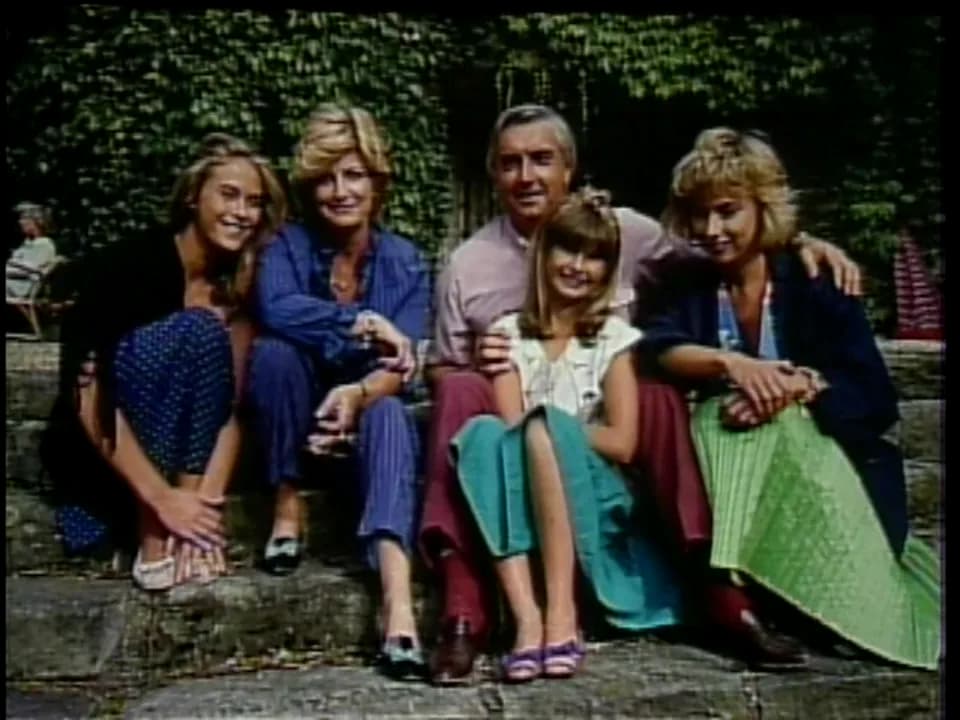
A scene from French in Action episode 5, Familles
minutes of video
29
CEFR level
A1
key words
35
grammar patterns
5

By the end you can

  • give your age the French way: J'ai vingt ans (avoir, never être)
  • describe a family: père, mère, frères, sœurs, fils unique, marié, divorcé
  • use avoir: j'ai, tu as, il a, nous avons, vous avez, ils ont
  • say you have none: Je n'ai pas de frère
  • say what's necessary with il faut + verb or thing
  • give orders: Écoute ! Écoutons ! Écoutez !
  • count from 1 to 32 and hear six / dix / neuf change their sound
  • ask Quel est votre prénom ? and Tu as quel âge ?

Listen out for

Five things to notice the first time you watch. Spotting them is half the lesson.

  • Why is Ethel rejected — and why is Robert chosen?
  • Ages always use avoir: Elle a dix ans
  • Il faut… — you'll hear it again and again
  • The two à-vous moments: say Mireille, then be Jean-Michel
  • Listen to six / dix — six filles vs six‿z‿enfants

Scene by scene

The episode in 26 short scenes, with the time each one starts in the video.

  1. Starts at 0:00

    1.Meet the families

    A short English intro over pictures of Mireille and her family: two sisters, working parents. Robert is an only child with divorced parents.

  2. Starts at 1:06

    2.Everybody has a first name

    The teacher says we must give the young people first names — because everyone has one. His is Pierre; the students are Michael and Julia.

  3. Starts at 2:18

    3.Ethel? No — Mireille!

    A student suggests Ethel: pretty, but American, and the girl is French. The teacher picks Mireille — pretty, and not easy to pronounce. Try it!

  4. Starts at 3:21

    4.Robert — no discussion!

    The young man will be Robert: a name that's both French and American. The class keeps saying it the American way… Non, Robert!

  5. Starts at 4:28

    5.Mireille's family

    Not poor, not rich: une famille aisée. Father: engineer at Renault. Mother: department head at the Ministry of Health. Two sisters: Cécile (23, married) and Marie-Laure (10).

  6. Starts at 6:21

    6.Robert's family — and his 'complexes'

    Robert's parents have money. No brothers, no sisters: he's an only child. His parents are divorced, his mother has remarried. A student wants to talk about his hang-ups — not today!

Show the other 20 scenes
  1. 7Start, continue, stopCommencer, continuer, arrêter. Marie-Laure is told to stop — she keeps going, and it ends badly.Starts at 7:39
  2. 8First work, then TVMarie-Laure wants to watch TV first and work afterwards. Her mother doesn't agree: d'abord le travail, après la télé.Starts at 8:39
  3. 9Donner — to giveChocolates, candy, grapes, a lollipop… and a slap! Everyone gives something to someone. Donne la patte ! — give me your paw!Starts at 9:21
  4. 10First name, family nameJean-Paul is the first name, Sartre is the family name. Then people in the street: Quel est votre prénom ?Starts at 10:04
  5. 11Il faut… — you have to!A first name is useful, necessary, compulsory: il faut. Glasses are needed, napkins are needed… and to learn French, il faut travailler, écouter, essayer…Starts at 10:45
  6. 12Telling a story — with or withoutMarie-Laure tells Fido a story. A story without names isn't easy! Then: a young man without a name, a couple with children, a couple without.Starts at 12:17
  7. 13Avec ou sans ? — your turnJam without bread, the cinema without me, eating without a fork, Tante Georgette without Fido! Then YOU say avec or sans before the teacher.Starts at 13:22
  8. 14Ça va, ça ne va pasEthel won't do — it's not French. Ça va / ça ne va pas: glasses needed, knife on the right, fork on the left. Everybody knows that!Starts at 14:40
  9. 15Joli, jolieA pretty scarf, a pretty roast, a pretty girl, pretty flowers, a pretty dog… and a dog that is NOT pretty.Starts at 15:32
  10. 16Your turn: be Jean-MichelMireille and Jean-Michel invent the story. Then you are Jean-Michel: say his lines in the pauses.Starts at 16:31
  11. 17Say Robert — the French RRobert is a pretty name, not easy to pronounce. Everyone practises the French R: Robert, Robert…Starts at 17:26
  12. 18À la fois — both at onceRobert is French and American at once — like a centaur (man and horse) or a mermaid (woman and fish). Don't carry everything at once, Marie-Laure!Starts at 18:16
  13. 19Rich, poor, moneyWhat is (and isn't) a family. Mireille's family isn't rich or poor: it's well-off. Who is rich, who is poor? Marie-Laure has no money… then she has some!Starts at 18:38
  14. 20Father, mother — at workVoilà mon père et ma mère. They both work. Lots of people working… and one who isn't working — he's eating.Starts at 20:06
  15. 21Children: girls and boysMireille's parents have three girls; Robert's have one boy. Then the teacher counts: une fille, deux filles… dix enfants.Starts at 21:05
  16. 22How old are you?Marie-Laure is 10, Cécile is 23, Mireille is 19. T'as quel âge, mon bonhomme ? — Neuf ans et demi. Then cards and numbers.Starts at 22:16
  17. 23Number blitz: 1–32The teacher counts on to 32, then quick-fire: un, onze, vingt et un; deux, douze, vingt-deux…Starts at 23:25
  18. 24Des frères, pas de frèresMireille has sisters but no brothers. Robert has no sisters and no brothers either: he's an only child.Starts at 24:22
  19. 25Married, divorced, remarriedAre you both married? Oui, nous sommes mariés. Catherine phones: Je me marie ! Robert's parents are divorced; his mother has remarried.Starts at 25:09
  20. 26Monsieur GuignolThe teacher asks Guignol if he's married. Married, remarried, 19 children and a dog — no time for your stupid questions, monsieur!Starts at 26:20

Key phrases, with Hindi and Punjabi pronunciation

Real lines from this episode, written the way they sound in Latin letters, Devanagari and Gurmukhi.

  • Tout le monde a un prénom.Everyone has a first name.
    too luh MO(N)D a uh(n) pray-NO(N)तू लअ मोँद आ अँ प्ग़े-नोँਤੂ ਲਅ ਮੋਂਦ ਆ ਅਂ ਪ੍ਗ਼ੇ-ਨੋਂ
  • Voilà mon père et ma mère.Here are my father and my mother.
    vwa-LA mo(n) PEHR ay ma MEHRवुआ-ला मोँ पैग़ ए मा मैग़ਵੁਆ-ਲਾ ਮੋਂ ਪੈਗ਼ ਏ ਮਾ ਮੈਗ਼
  • Mireille a deux sœurs.Mireille has two sisters.
    mee-RAY a dö SŒRमी-ग़ैय आ दö सœग़ਮੀ-ਗ਼ੈਯ ਆ ਦö ਸœਗ਼
  • Moi, j'ai dix ans.Me, I'm ten. (lit. I have ten years)
    mwa, zhay dee-ZA(N)मुआ, झ़ै दी-ज़ाँਮੁਆ, ਝ਼ੈ ਦੀ-ਜ਼ਾਂ
  • Il est fils unique.He's an only child (an only son).
    ee-lay fees ü-NEEKई-ले फ़ीस ü-नीकਈ-ਲੇ ਫ਼ੀਸ ü-ਨੀਕ

Sounds to master in this episode

French sounds explained through the Hindi and Punjabi sounds you already make, with real lines from the episode to copy.

  • The French R/ʁ/

    ग़ (हल्का)ਗ਼ (ਹਲਕਾ)

    Today's star sound: the French R lives in the throat — tongue tip down behind the lower teeth, a soft gargle (ग़, as in ग़ज़ल). Never the Hindi tap र or the English curled r. Practise: Robert, père, mère, frère, sœur, Mireille, travailler.

    • Non, Robert.No, Robert.
    • Voilà mon père et ma mère.Here are my father and my mother.
  • Liaison & linking‿

    शब्द जोड़ोਸ਼ਬਦ ਜੋੜੋ

    Numbers change before a vowel: six‿z‿enfants, dix‿z‿ans, deux‿z‿ans, vingt‿t‿ans, and neuf‿v‿ans. Before a consonant the last letter goes quiet: six filles = see feey. Also ils‿z‿ont (they have) vs ils sont (they are).

    • Six filles, six enfants, dix filles, dix enfants.Six girls, six children. Ten girls, ten children.
    • Oui, j'ai dix-neuf ans.Yes, I'm nineteen.
  • The open eu of sœur/œ/

    ऐ + गोल होंठਐ + ਗੋਲ ਬੁੱਲ੍ਹ

    sœur has the open œ: say ऐ and round your lips. Same sound in professeur and (closed version) deux. deux sœurs = dö sœr.

    • Une sœur plus âgée et une sœur plus jeune.An older sister and a younger sister.
    • Elle a deux sœurs.She has two sisters.
  • The nasal an of France/ɑ̃/

    आँ (माँ वाला)ਆਂ (ਮਾਂ ਵਾਲਾ)

    enfant, ans, argent, temps, sans — all the nasal आँ (like माँ). Don't say the n or the t! Un enfant = uh(n)-na(n)-FA(N).

    • De la confiture sans pain.Jam without bread.
    • sept enfants, huit enfants, neuf enfants, dix enfants.seven children, eight children, nine children, ten children.

Grammar patterns in this episode

Each pattern comes from real lines in the episode. Here is the short version; in the course you notice it in the video first, then drill it.

  1. 1avoir — to have (and your age)

    avoir (to have) is the third super-verb after être and aller: j'ai, tu as, il/elle a, nous avons, vous avez, ils/elles ont. Use it for things you have (un prénom, deux sœurs, de l'argent, le temps) and for age: avoir + number + ans — Elle a vingt-trois ans.

    From the episode

    Moi j'ai un prénom, mon prénom c'est Pierre.

    Me, I have a first name. My first name is Pierre.

    Hindi and Punjabi link

    Think मेरे पास: मेरी दो बहनें हैं → J'ai deux sœurs. मैं बीस साल का हूँ → J'ai vingt ans — French has its years.

  2. 2ne … pas de — having none

    After a negative verb, un, une, des (and du, de la, de l') become de — or d' before a vowel: Je n'ai pas de frère. Il n'a pas d'enfants. Elle n'a pas d'argent. But le, la, les don't change: Je n'aime pas les histoires. non plus = either: Il n'a pas de frère non plus.

    From the episode

    Robert n'a pas de sœur.

    Robert doesn't have a sister.

    Hindi and Punjabi link

    pas de ≈ कोई … नहीं (not any), and non plus ≈ भी नहीं: भाई नहीं, बहन भी नहीं → pas de frère, pas de sœur non plus.

  3. 3il faut — you have to

    il faut expresses necessity. It is impersonal and never changes. il faut + infinitive = you have to / we must: Il faut travailler. il faut + noun = … is needed: Il faut un prénom français. Negative: il ne faut pas = you mustn't.

    From the episode

    Il faut donner un prénom aux jeunes gens parce que tout le monde a un prénom.

    We have to give the young people a first name because everyone has a first name.

    Hindi and Punjabi link

    il faut = चाहिए / ਚਾਹੀਦਾ — impersonal, never changes, works with a verb (पढ़ना चाहिए) or a thing (चश्मा चाहिए).

  4. 4Orders: Écoute ! Écoutons ! Écoutez !

    The imperative is the present tense without the pronoun. Only three forms: tu (Écoute !), nous = let's (Écoutons !), vous (Écoutez !). For -er verbs and aller, the tu-form drops its -s: tu écoutes → Écoute !, tu vas → Va ! It sounds the same.

    From the episode

    Commencez, continuez, arrêtez.

    Start, continue, stop.

    Hindi and Punjabi link

    सुन! (tu) · चलो, सुनते हैं! (nous) · सुनिए! (vous) — the same three levels you already use.

  5. 5Numbers 1–32

    Learn 1–16 by heart: un, deux, trois, quatre, cinq, six, sept, huit, neuf, dix, onze, douze, treize, quatorze, quinze, seize. From 17 it's logic: dix-sept (ten-seven), dix-huit, dix-neuf, vingt. Then vingt et un (with et, for 1), vingt-deux … vingt-neuf, trente, trente et un, trente-deux. Only un/une has a gender: un frère, une sœur.

    From the episode

    Une fille, deux filles, trois filles, quatre filles,

    One girl, two girls, three girls, four girls,

    Hindi and Punjabi link

    Hindi has a unique word for every number up to 100 (इक्कीस, बाईस, सत्ताईस…). French 17–29 is just LEGO: dix-sept = 10+7, vingt-deux = 20+2. You've already done the hard part in Hindi! 💪

Words you will meet

Each word is written the way it sounds in Devanagari and Gurmukhi.

  • la famillef.familyफ़ा-मीयਫ਼ਾ-ਮੀਯ
  • le pèrem.fatherपैग़ਪੈਗ਼
  • la mèref.motherमैग़ਮੈਗ਼
  • les parentsm.parents (also: relatives)पा-ग़ाँਪਾ-ਗ਼ਾਂ
  • le frèrem.brotherफ़्ग़ैग़ਫ਼੍ਗ਼ੈਗ਼
  • la sœurf.sisterसœग़ਸœਗ਼
  • un enfantm./f.a childआँ-फ़ाँਆਂ-ਫ਼ਾਂ
  • une fillef.a girl · a daughterफ़ीयਫ਼ੀਯ
  • un garçonm.a boyगाग़-सोँਗਾਗ਼-ਸੋਂ
  • fils uniqueonly child (a son)फ़ीस ü-नीकਫ਼ੀਸ ü-ਨੀਕ
  • le prénomm.first nameप्ग़े-नोँਪ੍ਗ਼ੇ-ਨੋਂ
  • le nom (de famille)m.surname, family nameनोँ दअ फ़ा-मीयਨੋਂ ਦਅ ਫ਼ਾ-ਮੀਯ

Plus 23 more words in the lesson, each with its pronunciation.

Practice in all four skills

Listening, speaking, reading and writing: the four skills TEF Canada and TCF Canada score. Every task is built from this episode's own lines.

  • Listening

    8 dictation lines cut from the video: hear it, type it, check every accent. Plus 13 textbook audio drills.

    A line you will write down

    Elle est mariée.

    She's married.

  • Speaking

    Shadow 8 lines after the actors, answer 7 questions aloud, then a short role-play with Marie-Laure.

    How the role-play opens

    Salut ! C'est quoi, ton prénom ? Tu as quel âge ?

    Hi! What's your first name? How old are you?

  • Reading

    A short story, “Two families”, retold with this episode's words, then 6 questions on it.

    The story starts

    Le professeur et les étudiants continuent l'invention de l'histoire.

  • Writing

    8 fill-in sentences, 6 sentences to build and 2 short writing tasks with feedback.

    A writing task

    Introduce your own family in French: how many brothers and sisters, their ages, who is married, who works.

Then a self-test of 8 questions to finish the episode, and new words go into your review deck.

Culture notes

Prénom + nom — and the story of 'Mireille'

French people have a prénom (first name) and a nom de famille (surname): Jean-Paul Sartre, Simone de Beauvoir. Double first names are common: Marie-Laure, Jean-Michel. Some names work for both sexes (Claude, Dominique, Camille). Mireille comes from Provence, in the sunny south: a famous Provençal poem by Frédéric Mistral, then an opera by Gounod.

Hindi and Punjabi linkLike Harpreet or Manjit — unisex names where Kaur or Singh tells you who's who.


A two-income Paris family

Mireille's father is an ingénieur chez Renault, the famous car maker; her mother is chef de service au ministère de la Santé, a senior civil servant. Ils travaillent tous les deux — both work. That makes them aisés: comfortable, not flashy. The official French work week is 35 hours.

Hindi and Punjabi linkThink of a family where Papa is an engineer at Maruti and Mummy is a senior officer in the Health Ministry — solid, respectable, खाता-पीता घर.

Table manners: knife right, fork left

Le couteau à droite, la fourchette à gauche — tout le monde sait ça ! The French eat with both cutlery in hand, and you never point at people (ce n'est pas poli). Napkins (les serviettes) belong on the table too.

Hindi and Punjabi linkAt home many of us eat with our hands — in France even pizza and chicken often get a knife and fork.

Who is in it

  • Le professeurthe teacher (his first name is Pierre) — he decides everything: pas de discussion !
  • Mireilleour heroine — 19, the middle sister
  • M. BelleauMireille's father — an engineer at Renault
  • Mme BelleauMireille's mother — department head at the Ministry of Health
  • Cécilethe big sister — 23 and married
  • Marie-Laurethe little sister — 10, cheeky, loves TV and chocolate
  • Tante GeorgetteMireille's aunt — she's lost Fido again!
  • Guignolthe famous puppet — married, remarried, 19 children

Watch this episode in your free trial

Start with Episode 1 free in two taps. Add your email when you are ready and every episode, this one included, opens for 7 days. No card needed.

Start free with Episode 1

What you get

  • Warm-up, tap-to-translate captions, words & patterns, practice
  • Hindi and Punjabi pronunciation help
  • Printable watch guide, master guide, transcript, textbook, and workbook
  • New words saved to your spaced review deck

Coming up next

Episode 6 — Portraits I. Now that Mireille has a family, what does she look like? Blonde or brunette, tall or small, sporty? Get ready for describing people — and for Marie-Laure's opinions! 😈