
French

Part 5 · Enjoyment

Episode 40: Divertissements V

Entertainment V

  • 29 min video
  • About 80 min with practice
  • A2

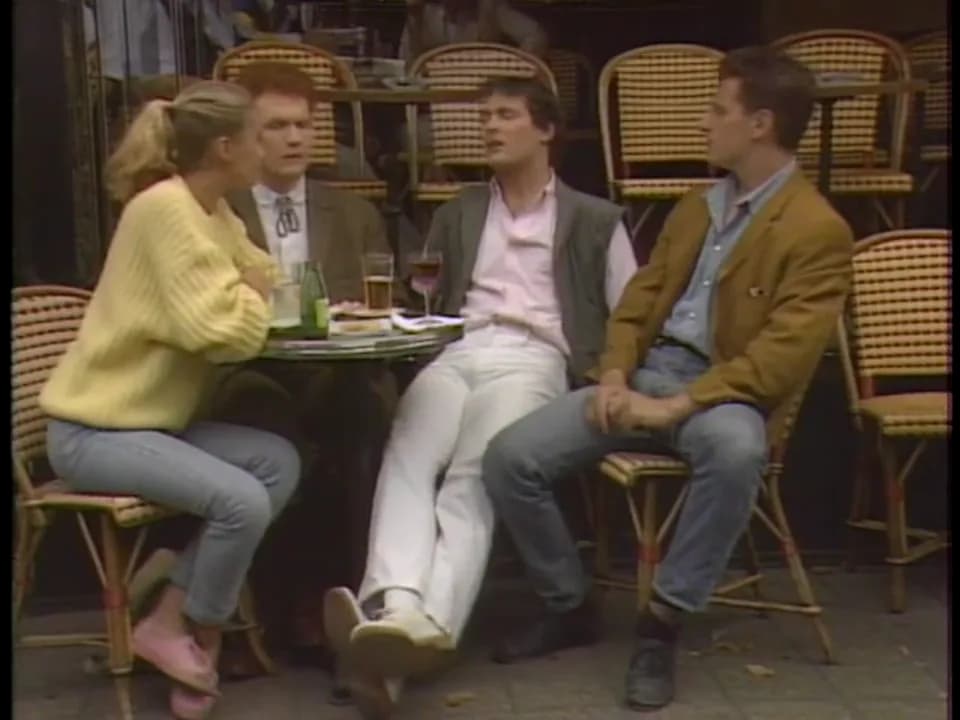
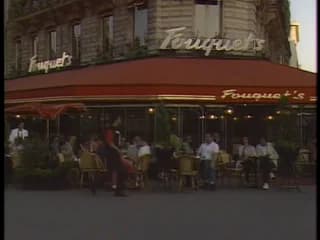
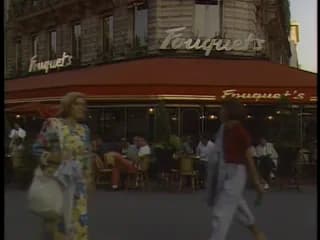
Back on the terrace of the Fouquet's: a man in black blinks ZUT in Morse code, and the four friends argue — theatre or cinema? Hubert and Mireille defend the live actor en chair et en os; Jean-Pierre and Robert love special effects, 2,000 extras and dubbing (Quelle horreur !). Learn to give and attack opinions, say nothing / nobody as a subject (Rien ne pourra jamais remplacer…), do without (je m'en passerais) and have a blast (prendre son pied).

Start with Episode 1 free in two taps. Add your email when you are ready and every episode, this one included, opens for 7 days. No card needed.

A scene from French in Action episode 40, Divertissements V
minutes of video
29
CEFR level
A2
key words
36
grammar patterns
4

By the end you can

  • point something out discreetly: Vous avez vu les yeux du type à côté ? — Ça doit être un dangereux espion !
  • act as if nothing happened: Reprenons la conversation comme si de rien n'était.
  • say nothing / nobody as the subject: Rien ne pourra jamais remplacer l'acteur vivant. Personne ne pourra plus jamais le voir.
  • argue theatre vs cinema: Le cinéma, c'est de la conserve. — Tandis qu'au cinéma, c'est fixé pour toujours.
  • agree and disagree: Hubert a raison. — C'est faux ! — Vous trouvez ?
  • say you could do without something: Ça, je m'en passerais ! Quelle horreur !
  • make things happen with faire + verb: On peut faire sauter la tour Eiffel, faire disparaître l'Arc de Triomphe.
  • say someone is having a great time: Il prend son pied. Ils prennent leur pied.

Listen out for

Five things to notice the first time you watch. Spotting them is half the lesson.

  • The man in black's eyes: one eye = un point, both eyes = un trait. Can you read his message?
  • Two teams: who is for the theatre, who is for the cinema? Listen for Hubert a raison and C'est faux !
  • Rien ne pourra jamais… and Personne ne pourra plus jamais… — nothing / nobody as the subject.
  • Mireille's reaction to dubbing: Quelle horreur !
  • Who takes the man's place at the end? Look at the newspaper — and the moustache!
  • The real French comedians in the second half: you're not meant to catch everything — just enjoy them.

Scene by scene

The episode in 17 short scenes, with the time each one starts in the video.

  1. Starts at 0:00

    1.Theatre or film?

    The English introduction: the four friends discuss theatre and film; a man in black sends Morse signals with his eyes; a strange nun replaces him.

  2. Starts at 1:05

    2.The eyes of the man in black

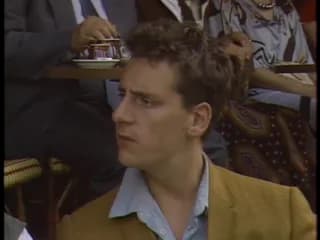
    Snobbish chat on the terrace of the Fouquet's. A man all in black watches the four friends. A squint like Uncle Victor's? No: both his eyes blink — dots and dashes. Jean-Pierre decodes: Z, U, T.

  3. Starts at 2:13

    3.The future of the theatre

    A spy? Mireille changes the subject comme si de rien n'était. Robert: what's the future of the theatre? Jean-Pierre: Nul ! Hubert: nothing will ever replace the living actor. Mireille: cinema is canned. Jean-Pierre: but film lasts forever — nobody will ever see Molière's own Misanthrope again.

  4. Starts at 3:15

    4.Extras, tricks and dubbing

    Robert: cinema can put 2,000 extras on a Russian plain. Mireille: in Ubu Roi one little man with a sign was the whole army! Robert: special effects — blow up the Eiffel Tower. Jean-Pierre: and dubbing into every language. Mireille: Quelle horreur ! Robert prefers subtitles.

  5. Starts at 4:01

    5.Circus, music-hall… and a nun

    Jean-Pierre only likes cinema, music-hall and the circus. Hubert: Panem et circenses ! Very vulgar tastes. Jean-Pierre defends the great singers and comedians. Mireille: is the guy still listening? He's gone — in his place, a nun all in black, doing Morse with her headdress!

  6. Starts at 5:20

    6.Un type, un œil qui dit zut

    The teacher replays the story. Un type = a guy. Uncle Victor has un œil qui dit zut à l'autre: he squints (il louche). The man in black is different: both eyes say ZUT in Morse, with dots and dashes.

Show the other 11 scenes
  1. 7Your turn: be HubertListen to Mireille and Hubert, then play Hubert's part: Tu as vu les yeux du type à côté ? — Non, non, ce sont les deux. — En morse.Starts at 7:27
  2. 8Blink, wink, spyCligner des yeux = to blink, like a car's clignotant. Winking to attract a girl — faire de l'œil — is fine in class, too vulgar in real life! The man must be a spy. Marie-Laure: Maman, j'ai vu un espion ! Jean-Pierre chats up Mireille; she reads on comme si de rien n'était.Starts at 8:48
  3. 9L'avenir — and replacingA fortune teller reads the future: l'avenir. L'avenir est au cinéma — the future belongs to cinema, like Paris est à moi. The motorbike replaced the horse, the train the stagecoach… but nothing will replace the living actor.Starts at 10:20
  4. 10Flesh, bones and tinned peasEn chair et en os: bones (des os) and flesh (la chair) — a real live person, not a photo. The actor on stage can watch the audience's reactions; cinema is de la conserve, like tinned peas. A passer-by prefers cinema: un art complet.Starts at 11:40
  5. 11Special effects and extrasWith trucages you can blow up the Eiffel Tower, make beer mugs, sauerkraut and cheese disappear, make a plane take off on the Champs-Élysées, put tiny Mireille on Robert's hand. Then: une plaine, 2,000 figurants, and Ubu's army on a sign.Starts at 13:07
  6. 12I could do without itDubbing? Mireille: Ça, je m'en passerais ! Marie-Laure could do without lessons but not chocolates or gumdrops — Tu t'en passeras, says her mother. Dubbed films are faux — fake, like a wig. Mireille prefers V.O. with subtitles.Starts at 15:07
  7. 13Chacun ses goûtsJean-Pierre loves the circus — clowns, animals, what the Roman people loved. Hubert finds it vulgar and prefers ballet. It's a question of taste: chacun ses goûts.Starts at 16:45
  8. 14Prendre son piedHubert: music-hall is for voyeurs who prennent leur pied watching naked women. Prendre son pied = to have a blast: Marie-Laure, Robert, everyone prend son pied. Then dressed vs naked: the Statue of Liberty is habillée, the Venus de Milo is nue.Starts at 17:44
  9. 15Music-hall and hatsJean-Pierre's 'conservatory' means singers like Brel, Brassens, Montand and storytellers like Devos and Coluche. Meanwhile the man has been replaced by a nun with a cornette. Hats parade: un béret, un casque, une coiffe, une casquette…Starts at 19:17
  10. 16The comediansReal French comedians: Fernand Raynaud, Coluche mocking the average Frenchman, Raymond Devos (c'est fou ce que je vous aime), Jacques Villeret and a fan who wants an autograph 'for a friend's kid', and the mime Marcel Marceau. Each sketch is played twice.Starts at 20:48
  11. 17Quick reviewObserve, listen, think and speak: a blinker, the future, the stagecoach, flesh and bones, a special effect, a plain, dubbed or subtitles, circus and dance, il prend son pied, bare feet, bare head. Mme Folding finds the story absolument géniale.Starts at 23:59

Key phrases, with Hindi and Punjabi pronunciation

Real lines from this episode, written the way they sound in Latin letters, Devanagari and Gurmukhi.

  • Vous avez vu les yeux du type à côté ?Have you seen the eyes of the guy at the next table?
    voo za-VAY VÜ lay ZYUH dü TEEP a ko-TAY?वू ज़ा-वे vü ले ज़्यअ dü तीप आ को-ते?ਵੂ ਜ਼ਾ-ਵੇ vü ਲੇ ਜ਼੍ਯਅ dü ਤੀਪ ਆ ਕੋ-ਤੇ?
  • Alors, ça doit être un dangereux espion.So he must be a dangerous spy.
    sa dwa ETR a(n) da(n)zh-RUH ess-PYO(N)सा दुआ ऐत्ग़ अँ दाँझ़-ग़अ ऐस-प्योँਸਾ ਦੁਆ ਐਤ੍ਗ਼ ਅੰ ਦਾਂਝ਼-ਗ਼ਅ ਐਸ-ਪ੍ਯੋਂ
  • Reprenons la conversation comme si de rien n'était.Let's carry on talking as if nothing had happened.
    ruh-pruh-NO(N) la ko(n)-vehr-sa-SYO(N) kom SEE duh RYA(N) nay-TAYग़अ-प्ग़अ-नोँ ला कोँ-वैग़-सा-स्योँ कोम सी दअ ग़्यैँ ने-तेਗ਼ਅ-ਪ੍ਗ਼ਅ-ਨੋਂ ਲਾ ਕੋਂ-ਵੈਗ਼-ਸਾ-ਸ੍ਯੋਂ ਕੋਮ ਸੀ ਦਅ ਗ਼੍ਯੈਂ ਨੇ-ਤੇ
  • L'avenir est au cinéma et à la télévision.The future belongs to cinema and television.
    lav-NEER ay to see-nay-MA ay a la tay-lay-vee-ZYO(N)लाव-नीग़ ए तो सी-ने-मा ए आ ला ते-ले-वी-ज़्योँਲਾਵ-ਨੀਗ਼ ਏ ਤੋ ਸੀ-ਨੇ-ਮਾ ਏ ਆ ਲਾ ਤੇ-ਲੇ-ਵੀ-ਜ਼੍ਯੋਂ
  • Le cinéma, c'est de la conserve.Cinema is canned food.
    luh see-nay-MA, say duh la ko(n)-SEHRVलअ सी-ने-मा, से दअ ला कोँ-सैग़्वਲਅ ਸੀ-ਨੇ-ਮਾ, ਸੇ ਦਅ ਲਾ ਕੋਂ-ਸੈਗ਼੍ਵ

Sounds to master in this episode

French sounds explained through the Hindi and Punjabi sounds you already make, with real lines from the episode to copy.

  • Silent final letters∅

    मत बोलोਨਾ ਬੋਲੋ

    Workbook 40.5–40.6: French consonants are short, tense and quick. In clusters at the end of a word they are said together, with no vowel in between, and the final e is silent: théâtre = tay-ATR (2 syllables, not 'the-a-ter'), monstre = MO(N)STR (1 syllable), spectacle, exemple. Stress the last vowel a little, then flick the consonants out. Bonus: un os (s heard) but des os = day-ZOH (s silent).

    • Quel est l'avenir du théâtre ?What's the future of the theatre?
    • On peut transformer un monstre en prince charmant.You can turn a monster into Prince Charming.
  • The ü of tu/y/

    ई + ऊ के होंठਈ + ਊ ਦੇ ਬੁੱਲ੍ਹ

    This episode is full of u: nu, nue, sûrement, figurant, vulgaire, trucage. Say ee, then push your lips forward into a whistle. Keep it apart from ou: nu (naked) ≠ nous (we), vu (seen) ≠ vous (you), figurant ≠ doublage.

    • Et voilà un homme nu.And here's a naked man.
    • Vous avez des goûts bien vulgaires.You have very vulgar tastes.

Grammar patterns in this episode

Each pattern comes from real lines in the episode. Here is the short version; in the course you notice it in the video first, then drill it.

  1. 1Rien ne… / Personne ne… — nothing and nobody as the subject

    You know je ne vois rien and je ne vois personne (Lesson 20). Rien (nothing) and personne (nobody) can also be the subject, at the start: Rien ne + verb, Personne ne + verb. They always keep ne, and pas disappears. The verb is singular: Personne ne vient. In the passé composé, rien goes before the participle (Je n'ai rien vu), personne after it (Je n'ai vu personne). They stack with plus and jamais: personne ne pourra plus jamais le voir.

    From the episode

    Rien ne pourra jamais remplacer la présence de l'acteur vivant en chair et en os.

    Nothing will ever replace the presence of the living actor, in flesh and blood.

    Hindi and Punjabi link

    Same order as Hindi/Punjabi: Personne n'est venu = कोई नहीं आया / ਕੋਈ ਨਹੀਂ ਆਇਆ, Rien n'est cassé = कुछ नहीं टूटा / ਕੁਝ ਨਹੀਂ ਟੁੱਟਿਆ. 'Nobody' comes first, and you still need the नहीं — French still needs its ne.

  2. 2Faire sauter, faire disparaître — faire + verb

    faire + infinitive = to make something happen (to have it done). La tour saute (the tower blows up) → on fait sauter la tour (we make it blow up). Le fromage disparaît → on fait disparaître le fromage. Les gens rient → Coluche faisait rire (he made people laugh). Only faire changes form; the second verb stays in the infinitive. Object pronouns go before faire: Il me fait rire.

    From the episode

    Avec des trucages, on peut faire sauter la tour Eiffel.

    With special effects you can blow up the Eiffel Tower.

    Hindi and Punjabi link

    Hindi and Punjabi build this into the verb: हँसना → हँसाना, रोना → रुलाना, ਹੱਸਣਾ → ਹਸਾਉਣਾ. French just puts faire in front: rire → faire rire, pleurer → faire pleurer.

  3. 3Je m'en passerais — se passer de (to do without)

    se passer de quelque chose = to do without something. De + thing becomes en: se passer des films doublés → s'en passer. The reflexive pronoun follows the person: je m'en, tu t'en, il/elle s'en, nous nous en, vous vous en, ils s'en. Mireille uses the conditional — je m'en passerais — a polite, elegant way to say 'no thanks!'. Her mother uses the future: tu t'en passeras (you'll do without).

    From the episode

    Oh ben ça, je m'en passerais.

    Oh well, that I could do without.

    Hindi and Punjabi link

    Je ne peux pas m'en passer = इसके बिना नहीं रह सकती / ਇਸ ਤੋਂ ਬਿਨਾਂ ਨਹੀਂ ਰਹਿ ਸਕਦੀ — I can't live without it. Marie-Laure and her gumdrops!

  4. 4Je prends mon pied, ils prennent leur pied

    prendre son pied (casual) = to have a blast, to get a kick out of something. The possessive follows the subject: je prends mon pied, tu prends ton pied, il/elle prend son pied, nous prenons notre pied, vous prenez votre pied, ils/elles prennent leur pied. Same pattern as faire ses devoirs, perdre son temps. And it's leur pied (singular) even with ils. Just don't use it in a job interview!

    From the episode

    Tu prends ton pied?

    Are you having a blast?

    Hindi and Punjabi link

    मज़े लेना / ਨਜ਼ਾਰੇ ਲੈਣਾ — and Hindi also says अपने for everybody: वो अपने मज़े ले रहा है. French changes the word with the person: mon, ton, son, leur.

Words you will meet

Each word is written the way it sounds in Devanagari and Gurmukhi.

  • un typem.a guy, a blokeअँ तीपਅੰ ਤੀਪ
  • un espionm.a spyअँ नैस-प्योँਅੰ ਨੈਸ-ਪ੍ਯੋਂ
  • cligner des yeuxto blinkक्ली-न्ये दे ज़्यअਕ੍ਲੀ-ਨ੍ਯੇ ਦੇ ਜ਼੍ਯਅ
  • faire de l'œil àto make eyes at, flirt withफ़ैग़ दअ लअय आਫ਼ੈਗ਼ ਦਅ ਲਅਯ ਆ
  • loucherto squint, be cross-eyedलू-शेਲੂ-ਸ਼ੇ
  • un pointm.a dotअँ पुआँਅੰ ਪੁਆਂ
  • un traitm.a dash, a lineअँ त्ग़ेਅੰ ਤ੍ਗ਼ੇ
  • l'avenirm.the futureलाव-नीग़ਲਾਵ-ਨੀਗ਼
  • remplacerto replaceग़ाँ-प्ला-सेਗ਼ਾਂ-ਪ੍ਲਾ-ਸੇ
  • en chair et en osin flesh and blood, liveआँ शैग़ ए आँ नोसਆਂ ਸ਼ੈਗ਼ ਏ ਆਂ ਨੋਸ
  • un osm.a boneअँ नोसਅੰ ਨੋਸ
  • c'est de la conserveit's canned, not liveसे दअ ला कोँ-सैग़्वਸੇ ਦਅ ਲਾ ਕੋਂ-ਸੈਗ਼੍ਵ

Plus 24 more words in the lesson, each with its pronunciation.

Practice in all four skills

Listening, speaking, reading and writing: the four skills TEF Canada and TCF Canada score. Every task is built from this episode's own lines.

  • Listening

    8 dictation lines cut from the video: hear it, type it, check every accent.

    A line you will write down

    Attention, ils nous écoutent.

    Careful, they're listening to us.

  • Speaking

    Shadow 8 lines after the actors, answer 6 questions aloud, then a short role-play with Hubert.

    How the role-play opens

    Le cinéma ? Rien ne pourra jamais remplacer l'acteur vivant, en chair et en os ! Vous n'êtes pas d'accord ?

    Cinema? Nothing will ever replace the living actor, in flesh and blood! Don't you agree?

  • Reading

    A short story, “Theatre or cinema?”, retold with this episode's words, then 5 questions on it.

    The story starts

    Mireille, Robert, Hubert et Jean-Pierre sont assis à la terrasse du Fouquet's, sur les Champs-Élysées.

  • Writing

    7 fill-in sentences, 5 sentences to build and 2 short writing tasks with feedback.

    A writing task

    Théâtre ou cinéma? Give your opinion in 4–5 sentences, like the four friends: which do you prefer, why, and what you could do without.

Then a self-test of 8 questions to finish the episode, and new words go into your review deck.

Culture notes

Le Fouquet's

A legendary café-restaurant on the Champs-Élysées, a favourite of film people (the César awards dinner was held there). Noisy, chic and full of traffic — so the teacher warns: il faut écouter avec une attention soutenue. And yes, the snobs at the next table really are discussing Godard, the New Wave director.

Cinémathèques

Film libraries that collect and screen old films. In the 1980s the Cinémathèque française showed films at the Palais de Chaillot and at Beaubourg (the Pompidou Centre); today it is at Bercy. That's Jean-Pierre's argument: films last forever — while nobody will ever again see Molière (1622–1673) act in his own Misanthrope.

Ubu Roi

Alfred Jarry's outrageous play caused a riot when it opened in Paris in 1896. Jarry wanted no realistic scenery: a sign to show the place, one soldier for a whole army — hence Mireille's man with a placard: L'armée polonaise en marche dans l'Ukraine. It opened the way to absurd theatre.

Hindi and Punjabi linkLike a village Ramlila, where five kids are the whole वानर सेना — imagination does the rest!

Who is in it

  • MireilleTeam Theatre — and hates dubbed films
  • RobertTeam Cinema — likes subtitles
  • HubertTeam Theatre — the snob
  • Jean-PierreTeam Cinema — loves circus and music-hall
  • L'homme en noirthe man at the next table
  • La bonne sœurthe nun who takes his place

Watch this episode in your free trial

Start with Episode 1 free in two taps. Add your email when you are ready and every episode, this one included, opens for 7 days. No card needed.

Start free with Episode 1

What you get

  • Warm-up, tap-to-translate captions, words & patterns, practice
  • Hindi and Punjabi pronunciation help
  • Printable watch guide, master guide, transcript, textbook, and workbook
  • New words saved to your spaced review deck

Coming up next

Episode 41 — Question de chance I. The waiter ignores everyone, Robert gets stuck with the bill — and a tray of broken glasses brings luck. Time to buy a lottery ticket!