



French

Part 5 · Enjoyment

Episode 39: Divertissements IV

Entertainment IV

  • 29 min video
  • About 80 min with practice
  • A2

On the terrace of the Fouquet's, Robert asks Mireille which play to see — and she runs through every kind of theatre in Paris, from the Comédie-Française to the Folies-Bergère. Then Hubert and Jean-Pierre invite themselves, and the men get angry about tips and cinema ads, while a man in black listens. Learn il faudrait que j'aille, doubt with the subjunctive (je doute que ça vaille la peine), s'attendre à and gagner sa vie en chantant.

Start with Episode 1 free in two taps. Add your email when you are ready and every episode, this one included, opens for 7 days. No card needed.

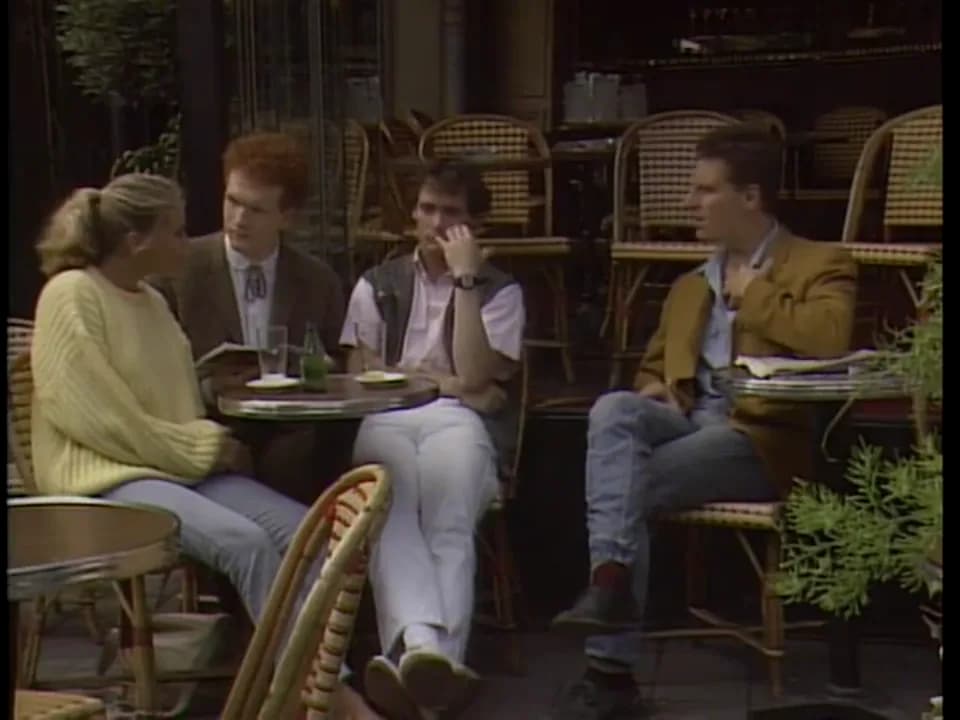
A scene from French in Action episode 39, Divertissements IV
minutes of video
29
CEFR level
A2
key words
35
grammar patterns
4

By the end you can

  • say what you ought to do one day: Il faudrait que j'aille au théâtre un de ces jours.
  • ask for and give advice: Qu'est-ce que tu me conseilles ? — Tu pourrais commencer par…
  • judge a show: C'est très soigné. Tu en as pour ton argent. Ce n'est pas très profond.
  • doubt politely with the subjunctive: Je doute que ça vaille la peine. Je ne crois pas qu'il y ait cent places.
  • say you didn't expect something: Je ne m'attendais pas à te voir !
  • say how people earn a living: Elle gagne sa vie en chantant.
  • agree strongly or calm someone down: Je suis on ne peut plus d'accord. — Tu exagères !

Listen out for

Five things to notice the first time you watch. Spotting them is half the lesson.

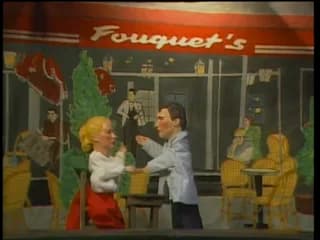
  • The first scene is played by puppets! The real actors take over at 1:51.
  • Mireille's tour of Paris theatres: Comédie-Française, avant-garde, boulevard, Folies-Bergère. Which one does she recommend?
  • Hubert and Mireille quote the same funny line: Comme c'est curieux, comme c'est bizarre, et quelle coïncidence !
  • Hubert's big words about tips and ads: une honte, un scandale, un vol. Does Mireille agree?
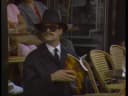
  • The man in black again — what does he pretend to do?
  • In the teacher's part, Marie-Laure's gumdrops get stolen. Watch how she gets her revenge.

Scene by scene

The episode in 21 short scenes, with the time each one starts in the video.

  1. Starts at 0:00

    1.Theatres of Paris

    The English introduction: in a café, Mireille and Robert talk about the many theatres of Paris; Hubert and Jean-Pierre turn up and give their strong opinions; the man in black is back.

  2. Starts at 1:14

    2.Puppets at the Fouquet's

    The story begins as a puppet show on a Fouquet's set: puppet Robert admires the spring day, then says he ought to go to the theatre one of these days. Puppet Mireille agrees.

  3. Starts at 1:51

    3.So many theatres!

    Now the real actors. Robert has bought L'Officiel des spectacles: there are so many theatres! About forty, says Mireille, some tiny. Start with the subsidized ones, like the Comédie-Française: classics, polished staging — you get your money's worth.

  4. Starts at 2:55

    4.Every kind of theatre

    It depends what you like: avant-garde, traditional plays, light boulevard comedies (not very deep). Robert doesn't want to think at the theatre? Then the Folies-Bergère or the Lido — but Mireille doubts it's worth it. Robert orders another beer.

  5. Starts at 3:49

    5.Two uninvited guests

    Hubert passes by: Toi au Fouquet's ? He didn't expect to see her there, and sits down without being asked. Then a young man at the next table stares at Mireille: Jean-Pierre, from the Luxembourg Gardens. He invites himself too.

  6. Starts at 4:57

    6.Tips and ads

    Robert likes France, with one reservation: tipping usherettes. Hubert couldn't agree more — tips are the shame of the country, a slave mentality! And ads in cinemas? A theft, a breach of trust! Mireille: Tu exagères !

Show the other 15 scenes
  1. 7The man in blackA man all in black shoves two lovers aside, takes the free table, pretends to read À suivre… and listens closely. Who is he? Maybe we'll never know: mystère et boule de gomme, as Marie-Laure would say.Starts at 6:43
  2. 8On stageThe teacher's part begins. Une scène is a stage and a scene: love scenes, battle scenes, scenes in Greece or on the Orient-Express. Mireille and Robert are les jeunes premiers, the young leads.Starts at 7:32
  3. 9Advice and subsidiesRobert doesn't know where to go, so he asks for advice: Il veut que Mireille le conseille. The State subsidizes theatres, education, medical care — two days in a clinic? C'est subventionné.Starts at 8:48
  4. 10Polished workThe Comédie-Française plays Molière, Racine, Labiche, Claudel — always carefully staged. Soigné vs pas soigné: neat homework, a neat garden, reproductions from Taiwan. Cheap seats, good shows: on en a pour son argent — like Marie-Laure with her ice cream.Starts at 10:31
  5. 11Worth it? Deep?Ça vaut la peine — it's worth it; ce n'est pas la peine de pleurer — no point crying. Boulevard comedies aren't deep: a pool isn't deep, a well is, Sartre is, Tintin less so. The Lido doesn't tire les méninges — nor does a calculator.Starts at 12:18
  6. 12I didn't expect that!Hubert didn't expect to find Mireille at the Fouquet's — too chic and too expensive for a poor student. S'attendre à: usherettes expect a tip, parents expect a thank-you, Uncle Guillaume didn't expect that.Starts at 14:08
  7. 13Make yourself at home!Hubert settles in — il s'installe — though nobody invited him: what nerve, quel sans-gêne ! Mireille steals Marie-Laure's seat too: Ne te gêne pas ! Jean-Pierre stares avec insistance and invites himself.Starts at 14:57
  8. 14Never apartHubert notices that Mireille and Robert are always together: ils ne se quittent plus. People leave each other — or split up: Jérôme, on va se quitter. Mireille is a good guide, like a mountain guide.Starts at 16:59
  9. 15Your turn: be RobertListen to Hubert and Robert, then play Robert's part: Mais je l'espère bien ! — Excellentes, jusqu'à présent. Mireille vient de me faire découvrir L'Amour l'après-midi.Starts at 18:03
  10. 16A knack for blinding youJe suis on ne peut plus d'accord — I couldn't agree more. Usherettes are only good for disturbing people; they have a knack (le chic) for blinding you with their flashlights. Aveugle = blind.Starts at 19:36
  11. 17Earning a livingRobert defends the usherettes: they have to earn a living. People earn a living driving buses, blowing glass, doing hair, singing. Il ne faut pas perdre sa vie à la gagner. But for Hubert, tips create a slave mentality.Starts at 20:48
  12. 18Theft and breach of trustAds, says Hubert, are theft and a breach of trust. A thief steals; Marie-Laure's gumdrops get stolen — C'est du vol, ça ! — then she tricks the boy: Ferme les yeux et ouvre la bouche. Ads create artificial needs, like cigarettes.Starts at 21:58
  13. 19Complaining and shovingHubert complains about ads — the only one who does. Tante Georgette complains about the dishes and her health. Then the man in black shoves the lovers: bousculer, like Astérix with the Romans.Starts at 23:37
  14. 20A mysteryWho is the man in black? We don't know; we may never know. In detective novels riddles always get solved — but not in life.Starts at 24:42
  15. 21Quick reviewQuestions and answers on the whole episode: careful work, money's worth, deep or not, s'attendre à, staring, splitting up, flashlights, earning a living, complaining. Then the credits.Starts at 25:18

Key phrases, with Hindi and Punjabi pronunciation

Real lines from this episode, written the way they sound in Latin letters, Devanagari and Gurmukhi.

  • Il va falloir que j'aille au théâtre un de ces jours.I'm going to have to go to the theatre one of these days.
    eel va fa-LWAR kuh ZHYE o tay-ATR a(n) duh say ZHOORईल वा फ़ा-लुआग़ कअ झ़ाय ओ ते-आत्ग़ अँ दअ से झ़ूग़ਈਲ ਵਾ ਫ਼ਾ-ਲੁਆਗ਼ ਕਅ ਝ਼ਾਯ ਓ ਤੇ-ਆਤ੍ਗ਼ ਅੰ ਦਅ ਸੇ ਝ਼ੂਗ਼
  • Alors, qu'est-ce que tu me conseilles ?So, what do you advise me to do?
    a-LOR, kess-kuh tü muh ko(n)-SEY?आ-लोग़, कैस-कअ tü मअ कोँ-सैय?ਆ-ਲੋਗ਼, ਕੈਸ-ਕਅ tü ਮਅ ਕੋਂ-ਸੈਯ?
  • Tu en as pour ton argent.You get your money's worth.
    tü a(n)-NA poor to(n)-nar-ZHA(N)tü आँ-ना पूग़ तोँ-नाग़-झ़ाँtü ਆਂ-ਨਾ ਪੂਗ਼ ਤੋਂ-ਨਾਗ਼-ਝ਼ਾਂ
  • Mais je doute que ça vaille la peine.But I doubt it's worth it.
    may zhuh DOOT kuh sa VYE la PENमे झ़अ दूत कअ सा वाय ला पैनਮੇ ਝ਼ਅ ਦੂਤ ਕਅ ਸਾ ਵਾਯ ਲਾ ਪੈਨ
  • Je passais, mais je ne m'attendais pas à te voir.I was passing by, but I didn't expect to see you.
    zhuh pa-SAY, may zhuh nuh ma-ta(n)-DAY pa a tuh VWARझ़अ पा-से, मे झ़अ नअ मा-ताँ-दे पा आ तअ वुआग़ਝ਼ਅ ਪਾ-ਸੇ, ਮੇ ਝ਼ਅ ਨਅ ਮਾ-ਤਾਂ-ਦੇ ਪਾ ਆ ਤਅ ਵੁਆਗ਼

Sounds to master in this episode

French sounds explained through the Hindi and Punjabi sounds you already make, with real lines from the episode to copy.

  • Liaison & linking‿

    शब्द जोड़ोਸ਼ਬਦ ਜੋੜੋ

    Workbook 39.5: French links words. A silent final letter wakes up before a vowel (liaison): des_histoires (z), vos_impressions (z), pas_encore (z), tout_en noir (t). A consonant you always say slides onto the next vowel (enchaînement): avec_insistance, une_histoire. One wall: une | honte — the h of honte stops all linking.

    • Tu en as pour ton argent.You get your money's worth.
    • Et quelles sont vos impressions?And what are your impressions?
  • The gn of espagnol/ɲ/

    न्यਨ੍ਯ

    This episode is full of gn: soigné, gagner, gagnent, se plaignent. It is one sound, like the ny in 'canyon' or Hindi ञ / ਞ — never 'g' + 'n'. Soigné = swa-NYAY.

    • C'est soigné.It's carefully done.
    • Pour gagner sa vie, il faut travailler.To earn a living, you have to work.

Grammar patterns in this episode

Each pattern comes from real lines in the episode. Here is the short version; in the course you notice it in the video first, then drill it.

  1. 1Il faudrait que j'aille — il faut que in every tense

    You met il faut que + subjunctive in Lessons 36–37. Now falloir changes tense, but always with il: il faut (must), il va falloir (going to have to), il faudra (will have to), il faudrait (ought to, should), il fallait / il a fallu (had to). Whatever the tense of falloir, the verb after que stays in the present subjunctive: il faudrait que j'aille, il a fallu que je parte. Aller has a special subjunctive: j'aille, tu ailles, il aille, ils aillent — but nous allions, vous alliez.

    From the episode

    Tout ça, c'est très bien, mais il faudrait que j'aille au théâtre un de ces jours.

    All that is very nice, but I ought to go to the theatre one of these days.

    Hindi and Punjabi link

    Hindi has the same ladder: il faut que j'aille = मुझे जाना है, il faudra = जाना पड़ेगा, il faudrait = जाना चाहिए — ਜਾਣਾ ਚਾਹੀਦਾ ਹੈ. Il faudrait is the soft, polite 'should'.

  2. 2Je doute que ça vaille la peine — doubt + subjunctive

    When you are sure, the verb after que is normal: Je pense que ça vaut la peine. When you doubt or hold back, it switches to the subjunctive: je doute que, je ne pense pas que, je ne crois pas que, on ne peut pas dire que, ça m'étonnerait que (I'd be surprised if). New irregular forms: valoir → que ça vaille, vouloir → que tu veuilles, plus the ones you know: qu'il y ait, que ce soit, que ça te plaise.

    From the episode

    Au théâtre de Poche-Montparnasse, par exemple, ou au théâtre de la Huchette, je ne crois pas qu'il y ait cent places.

    At the Poche-Montparnasse or the Huchette, for example, I don't think there are a hundred seats.

    Hindi and Punjabi link

    Hindi does it too: वो आएगा (sure) → शायद वो आए (not sure); Punjabi ਉਹ ਆਵੇਗਾ → ਸ਼ਾਇਦ ਉਹ ਆਵੇ. Doubt softens the verb — exactly like je doute qu'il vienne.

  3. 3Je ne m'attendais pas à te voir — s'attendre à

    S'attendre à = to expect. It's reflexive: je m'attends, tu t'attends, il s'attend, ils s'attendent. After à comes a thing (à ça), a verb in the infinitive (à te voir), or, when someone else does the action, à ce que + subjunctive (à ce qu'on leur donne un pourboire). Surprise is usually in the imperfect: Je ne m'attendais pas à ça !

    From the episode

    Je passais, mais je ne m'attendais pas à te voir.

    I was passing by, but I didn't expect to see you.

  4. 4Elle gagne sa vie en chantant — en + -ant

    en + verb-ant says how or while you do something: Elle gagne sa vie en chantant = by singing. Il bouscule quelqu'un en courant = while running. To make the -ant form, take the nous form and swap -ons for -ant: nous chantons → chantant, nous conduisons → conduisant, nous jouons → jouant, nous faisons → faisant. Only three rebels: étant (être), ayant (avoir), sachant (savoir).

    From the episode

    Elles, elles gagnent leur vie en conduisant des autobus.

    They earn their living driving buses.

    Hindi and Punjabi link

    Hindi गाते हुए / गा-गा कर, Punjabi ਗਾਉਂਦਿਆਂ: en chantant. Same job — the -ant ending is the French -ते हुए.

Words you will meet

Each word is written the way it sounds in Devanagari and Gurmukhi.

  • une pièce de théâtref.a playtün प्यैस दअ ते-आत्ग़tün ਪ੍ਯੈਸ ਦਅ ਤੇ-ਆਤ੍ਗ਼
  • un spectaclem.a showअँ स्पैक-ताक्लਅੰ ਸ੍ਪੈਕ-ਤਾਕ੍ਲ
  • une scènef.a stage; a scenetün सैनtün ਸੈਨ
  • la mise en scènef.the staging, the directingला मीज़ आँ सैनਲਾ ਮੀਜ਼ ਆਂ ਸੈਨ
  • subventionnésubsidized (by the State)süब-वाँ-स्यो-नेsüਬ-ਵਾਂ-ਸ੍ਯੋ-ਨੇ
  • conseillerto adviseकोँ-से-येਕੋਂ-ਸੇ-ਯੇ
  • soignépolished, carefully doneसुआ-न्येਸੁਆ-ਨ੍ਯੇ
  • en avoir pour son argentto get your money's worthआँ-ना-वुआग़ पूग़ सोँ-नाग़-झ़ाँਆਂ-ਨਾ-ਵੁਆਗ਼ ਪੂਗ਼ ਸੋਂ-ਨਾਗ਼-ਝ਼ਾਂ
  • ça vaut la peineit's worth itसा वो ला पैनਸਾ ਵੋ ਲਾ ਪੈਨ
  • profonddeepप्ग़ो-फ़ोँਪ੍ਗ਼ੋ-ਫ਼ੋਂ
  • les méningesf.your brains (casual)ले मे-नैंझ़ਲੇ ਮੇ-ਨੈਂਝ਼
  • s'attendre àto expectसा-ताँद्ग़ आਸਾ-ਤਾਂਦ੍ਗ਼ ਆ

Plus 23 more words in the lesson, each with its pronunciation.

Practice in all four skills

Listening, speaking, reading and writing: the four skills TEF Canada and TCF Canada score. Every task is built from this episode's own lines.

  • Listening

    7 dictation lines cut from the video: hear it, type it, check every accent. Plus 2 textbook audio drills.

    A line you will write down

    Il y a tous les genres.

    There's every kind.

  • Speaking

    Shadow 7 lines after the actors, answer 6 questions aloud, then a short role-play with Mireille.

    How the role-play opens

    Alors, tu veux aller au théâtre ? Ça dépend de ce que tu aimes. Qu'est-ce que tu préfères ?

    So, you want to go to the theatre? It depends on what you like. What do you prefer?

  • Reading

    A short story, “An afternoon at the Fouquet's”, retold with this episode's words, then 5 questions on it.

    The story starts

    C'est le printemps.

  • Writing

    8 fill-in sentences, 5 sentences to build and 2 short writing tasks with feedback.

    A writing task

    A French friend is visiting your city. Advise them on a show to see, in 4–5 sentences, like Mireille.

Then a self-test of 7 questions to finish the episode, and new words go into your review deck.

Culture notes

La Comédie-Française

Founded in 1680 under Louis XIV and nicknamed la Maison de Molière. A permanent company plays the classics — Molière, Racine, Labiche, Feydeau, Claudel — with careful staging. It is subsidized by the State, so some seats are cheap: on en a pour son argent.

Hindi and Punjabi linkThink of Delhi's NSD Repertory Company: state-funded, serious, classic plays at fair prices.


Boulevard, cafés-théâtres, music-halls

Le théâtre de boulevard: light comedies (lovers in cupboards, slamming doors) born on the Paris boulevards in the 19th century. Les cafés-théâtres: tiny rooms with one- or two-person shows, mimes, satirical singers. Les Folies-Bergère and le Lido: feathers, sequins and dancers — no thinking required, says Mireille.

Hindi and Punjabi linkA boulevard comedy is the stage version of a पैसा वसूल masala film; the Lido is one long item number.

Comme c'est curieux !

Comme c'est curieux, comme c'est bizarre, et quelle coïncidence ! is the refrain of Ionesco's absurd play La Cantatrice chauve (1950), where a man and a woman slowly 'discover' they are married. It has played at the tiny théâtre de la Huchette every evening since 1957 — the theatre Mireille says has fewer than a hundred seats.

Who is in it

  • Mireillethe theatre guide
  • Robertwants to go to the theatre
  • Hubertthe uninvited aristocrat
  • Jean-Pierrethe flirt from the Luxembourg
  • L'homme en noirthe mysterious listener
  • Marie-LaureMireille's little sister

Watch this episode in your free trial

Start with Episode 1 free in two taps. Add your email when you are ready and every episode, this one included, opens for 7 days. No card needed.

Start free with Episode 1

What you get

  • Warm-up, tap-to-translate captions, words & patterns, practice
  • Hindi and Punjabi pronunciation help
  • Printable watch guide, master guide, transcript, textbook, and workbook
  • New words saved to your spaced review deck

Coming up next

Episode 40 — Divertissements V. Same terrace, same four friends: theatre or cinema? The argument gets hotter, the man in black does something very strange with his eyes… and someone unexpected takes his place.