
French

Part 5 · Enjoyment

Episode 36: Divertissements I

Entertainment I

  • 29 min video
  • About 80 min with practice
  • A2

The dinner party ends: herbal tea, a Grand Marnier, Il se fait tard, and everyone goes home or to bed. Robert and Mireille pick tomorrow's film from the Pariscope — Japanese? Chinese? Rated 18? — and settle on Rohmer's L'Amour l'après-midi. Then the stair light goes out on Robert. Meet the subjunctive: Tu veux qu'on y aille ? Il faut que je me sauve.

Start with Episode 1 free in two taps. Add your email when you are ready and every episode, this one included, opens for 7 days. No card needed.

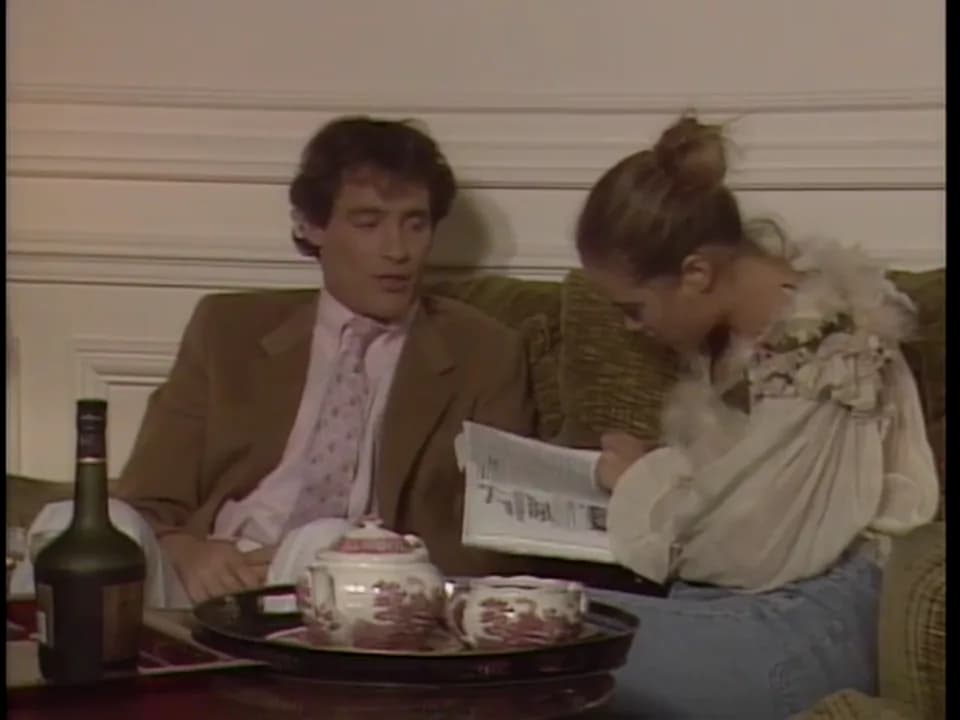
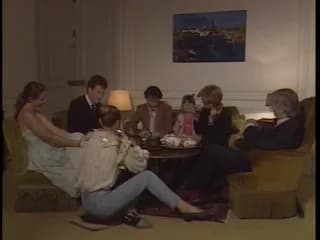
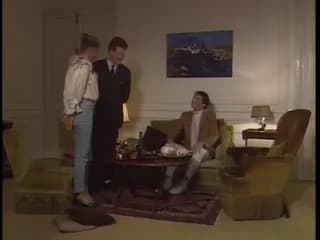
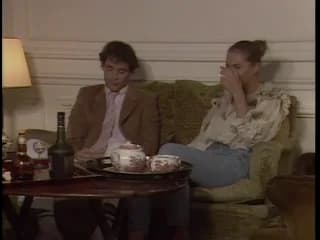
A scene from French in Action episode 36, Divertissements I
minutes of video
29
CEFR level
A2
key words
32
grammar patterns
4

By the end you can

  • say it's late and leave politely: Il se fait tard. Il faut que je me sauve.
  • say good night: Bonsoir, dors bien / dormez bien.
  • suggest an outing: Tu veux qu'on y aille demain ?
  • use the subjunctive after il faut que, vouloir que, avoir peur que: que je descende, que tu comprennes
  • say quelque chose d'intéressant, rien de bien
  • talk about films: en version originale, les sous-titres, interdit aux moins de 18 ans
  • shrug it off: Ça ne fait rien.

Listen out for

Five things to notice the first time you watch. Spotting them is half the lesson.

  • Hubert (dark suit) asks for cognac and raises his glass à la maîtresse de maison
  • Colette looks at her watch — Oh là là, onze heures !
  • the Pariscope: a little magazine full of film listings
  • the stair light: Mireille gives Robert two minutes to get down
  • Guignol at the end — he has pris l'habitude de se coucher tôt

Scene by scene

The episode in 18 short scenes, with the time each one starts in the video.

  1. Starts at 0:00

    1.Intro: the evening ends

    The short English intro: after the after-dinner drinks, everyone says good night except Robert and Mireille, who plan to see a film tomorrow.

  2. Starts at 1:06

    2.Tea or Grand Marnier?

    Everyone moves to the living room. Mme Belleau offers mint or lime-blossom tea; M. Belleau serves Grand Marnier and cognac but drinks nothing. Hubert raises his glass to the hostess.

  3. Starts at 2:57

    3.It's getting late

    Marie-Laure is sent to bed and kisses everyone good night. At eleven Colette rushes off to catch her train to Provins. M. and Mme Belleau excuse themselves.

  4. Starts at 4:24

    4.Hubert takes his leave

    Hubert leaves too, after eleven: Alors, on se téléphone ? Robert and Mireille are alone.

  5. Starts at 4:59

    5.What film shall we see?

    Too late for the cinema tonight — so tomorrow, at a matinée. Mireille reads the Pariscope: genres, a Japanese film, a Chinese one, an American film for over-18s only… and it's last week's issue!

  6. Starts at 6:56

    6.Rohmer, 1:30, the Rotonde

    On the Minitel: L'Amour l'après-midi by Éric Rohmer. Robert likes the title. They meet tomorrow at 1:30 at the Rotonde café, metro Vavin.

Show the other 12 scenes
  1. 7Two minutes of lightMireille shows Robert out. The stair light is on a timer: two minutes, then dark. Ils sont fous, ces Français ! — Nous économisons l'énergie. And the light goes out.Starts at 8:01
  2. 8Liqueurs and herbal teasThe teacher explains: after dinner some people take coffee and liqueurs; the Belleaus take an herbal tea, because it helps you sleep. Il se fait tard.Starts at 9:12
  3. 9Going to bed, falling asleep, waking upse coucher, être au lit, s'endormir, se réveiller — with examples from earlier episodes: Jean-Claude dozing off, a boy waking his father.Starts at 10:08
  4. 10Habits — and I must dash!avoir / prendre l'habitude de (the Belleaus go to bed early; Mireille buys her paper at Mme Rosa's). Then je me sauve, je file — I must run.Starts at 11:57
  5. 11Taking leave, phoningHubert prend congé. On se téléphone ? — Mireille calls Guylaine: elle l'appelle, elle lui téléphone.Starts at 13:12
  6. 12Tu veux qu'on y aille ?The teacher introduces the subjunctive: aille doesn't say they're going — it only talks about the possibility of going.Starts at 13:49
  7. 13Listings and genresHow to find what's on: the Minitel, Pariscope, L'Officiel des spectacles. Films are sorted par genre — and Robert plays the fool: are French films masculine or feminine?Starts at 14:57
  8. 14Something interesting?quelque chose d'intéressant, rien de bien — and Robert's Japanese is un peu rouillé, a bit rusty, like an old gate.Starts at 17:20
  9. 15Be serious!Mireille is joking with foreign films. Sois sérieuse ! — Marie-Laure and her gumdrops — and il faut que je puisse comprendre: another subjunctive.Starts at 18:32
  10. 16Forbidden, instructive, disappointedinterdit (no parking, keep off the grass, no smoking), instructif (the big Larousse dictionary), déçu — and Ça ne fait rien / Tant pis.Starts at 20:42
  11. 17Your turn: be RobertListen to the film conversation, then answer Mireille as Robert. Then the stair light again — la minuterie, a machine to save electricity.Starts at 22:29
  12. 18What can you say? — and GuignolQuick questions to answer aloud, then Guignol says he must go to bed early — and falls asleep in someone's dining room. J'économise l'énergie !Starts at 24:19

Key phrases, with Hindi and Punjabi pronunciation

Real lines from this episode, written the way they sound in Latin letters, Devanagari and Gurmukhi.

  • Il se fait tard.It's getting late.
    eel suh feh TARईल सअ फ़ै ताग़ਈਲ ਸਅ ਫ਼ੈ ਤਾਗ਼
  • Il faut que je me sauve, je vais rater mon train.I must dash, I'm going to miss my train.
    eel foh kuh zhuh muh SOHV, zhuh vay ra-TAY mo(n) TRA(N)ईल फ़ो कअ झ़अ मअ सोव, झ़अ वे ग़ा-ते मोँ त्ग़ैंਈਲ ਫ਼ੋ ਕਅ ਝ਼ਅ ਮਅ ਸੋਵ, ਝ਼ਅ ਵੇ ਗ਼ਾ-ਤੇ ਮੋਂ ਤ੍ਗ਼ੈਂ
  • Oui, excusez-nous, nous avons pris l'habitude de nous coucher tôt.Yes, please excuse us, we've got into the habit of going to bed early.
    wee, ex-kü-zay-NOO, noo-za-vo(n) pree la-bee-TÜD duh noo koo-shay TOHवी, ऐक्स-कü-ज़े-नू, नू-ज़ा-वोँ प्ग़ी ला-बी-तüद दअ नू कू-शे तोਵੀ, ਐਕਸ-ਕü-ਜ਼ੇ-ਨੂ, ਨੂ-ਜ਼ਾ-ਵੋਂ ਪ੍ਗ਼ੀ ਲਾ-ਬੀ-ਤüਦ ਦਅ ਨੂ ਕੂ-ਸ਼ੇ ਤੋ
  • Mais tu veux qu'on y aille demain, en matinée ?But do you want us to go tomorrow, to an afternoon show?
    meh tü vö ko(n)-nee EYE duh-ma(n), a(n) ma-tee-NAYमै tü वö कोँ-नी आय दअ-मैं, आँ मा-ती-नेਮੈ tü ਵö ਕੋਂ-ਨੀ ਆਯ ਦਅ-ਮੈਂ, ਆਂ ਮਾ-ਤੀ-ਨੇ
  • Comment est ton japonais ? — Un peu rouillé.How's your Japanese? A bit rusty.
    ko-ma(n) ay to(n) zha-po-NEH ? — a(n) pö roo-YAYको-माँ ए तोँ झ़ा-पो-नै ? — अँ पö ग़ू-येਕੋ-ਮਾਂ ਏ ਤੋਂ ਝ਼ਾ-ਪੋ-ਨੈ ? — ਅੰ ਪö ਗ਼ੂ-ਯੇ

Sounds to master in this episode

French sounds explained through the Hindi and Punjabi sounds you already make, with real lines from the episode to copy.

  • The light e of le, je/ə/

    हल्का अਹਲਕਾ ਅ

    The little e of je, me, se, de, que is a quick, relaxed अ — and in fast speech it often disappears: Il faut que j' me sauve. Workbook phrases: Il se fait tard. Je me sauve.

    • Il se fait tard.It's getting late.
    • Excusez-moi, je me sauve.Excuse me, I must dash.
  • Silent final letters∅

    मत बोलोਨਾ ਬੋਲੋ

    Hear the subjunctive! In il descend the d is silent — but in qu'il descende the final -e wakes the d up: दे-साँ → दे-साँद. Same with il comprend (कोँ-प्ग़ाँ) → que tu comprennes (कोँ-प्ग़ैन).

    • Il faut que je descende en deux minutes?I have to get downstairs in two minutes?
    • Il faut que tu comprennes ça !You have to understand that!

Grammar patterns in this episode

Each pattern comes from real lines in the episode. Here is the short version; in the course you notice it in the video first, then drill it.

  1. 1Tu veux qu'on y aille ? — meet the subjunctive

    A new mood, the subjonctif. It appears in the second half of a sentence, after que, when the first half expresses a wish, a need or a fear — not a fact: Tu veux qu'on y aille ? Il faut que je descende. J'ai peur que tu sois déçu. It doesn't say the action happens — only that it's wanted, needed or feared. The fact version uses the normal present or future: On ira demain. Je descends.

    From the episode

    Mais tu veux qu'on y aille demain, en matinée ?

    But do you want us to go tomorrow, to an afternoon show?

    Hindi and Punjabi link

    Hindi has the same idea: चलें? in क्या हम कल चलें? doesn't say you're going — it only proposes it. हमें जाना चाहिए कि…, मैं चाहता हूँ कि तुम आओ — आओ there is the Hindi subjunctive. Punjabi: ਚੱਲੀਏ?, ਮੈਂ ਚਾਹੁੰਦਾ ਹਾਂ ਕਿ ਤੂੰ ਆਵੇਂ.

  2. 2Making the subjunctive: start from ils

    Take the ils form of the present, drop -ent, add -e, -es, -e, -ions, -iez, -ent: ils comprennent → que je comprenne, que tu comprennes, qu'il comprenne, qu'ils comprennent. Those four forms sound exactly like ils comprennent. nous / vous look like the imperfect: que nous comprenions, que vous compreniez.

    From the episode

    Il faut que tu comprennes ça !

    You have to understand that!

  3. 3Quelque chose d'intéressant, rien de bien

    After quelque chose, rien, quelqu'un, personne and qu'est-ce que…, an adjective comes with de (d' before a vowel), and it stays masculine: quelque chose de bien, rien d'intéressant, quelqu'un de sérieux, personne d'amusant, Qu'est-ce que tu vois d'intéressant ?

    From the episode

    Ah bon ? Qu'est-ce que tu vois d'intéressant ?

    Really? What do you see that's interesting?

    Hindi and Punjabi link

    Hindi puts the adjective first: कुछ अच्छा, कोई दिलचस्प. French adds de in between: quelque chose de bien.

  4. 4Bedtime verbs: je me couche, tu te réveilles

    Recap: reflexive verbs carry a pronoun that matches the subject: je me couche, tu te réveilles, il se couche, nous nous couchons, vous vous réveillez, ils se couchent. In a command, the pronoun goes after: Réveille-toi ! Couchez-vous !

    From the episode

    Ah, je suis crevé, moi. Je vais me coucher.

    Oh, I'm worn out. I'm going to bed.

Words you will meet

Each word is written the way it sounds in Devanagari and Gurmukhi.

  • une infusionf.a herbal teaüन ऐँ-fü-ज़्योँüਨ ਐਂ-fü-ਜ਼੍ਯੋਂ
  • un tilleulm.a lime-blossom teaअँ ती-यअलਅੰ ਤੀ-ਯਅਲ
  • se coucherto go to bedसअ कू-शेਸਅ ਕੂ-ਸ਼ੇ
  • Au lit !Off to bed!ओ लीਓ ਲੀ
  • Il se fait tard.It's getting late.ईल सअ फ़ै ताग़ਈਲ ਸਅ ਫ਼ੈ ਤਾਗ਼
  • Dors bien.Sleep well.दोग़ ब्यैंਦੋਗ਼ ਬ੍ਯੈਂ
  • s'endormirto fall asleepसाँ-दोग़-मीग़ਸਾਂ-ਦੋਗ਼-ਮੀਗ਼
  • réveillerto wake (someone) upग़े-वे-येਗ਼ੇ-ਵੇ-ਯੇ
  • Je me sauve.I must dash.झ़अ मअ सोवਝ਼ਅ ਮਅ ਸੋਵ
  • prendre congéto take one's leaveप्ग़ाँद्ग़ कोँ-झ़ेਪ੍ਗ਼ਾਂਦ੍ਗ਼ ਕੋਂ-ਝ਼ੇ
  • On se téléphone ?Shall we talk on the phone?ओँ सअ ते-ले-फ़ोनਓਂ ਸਅ ਤੇ-ਲੇ-ਫ਼ੋਨ
  • avoir l'habitude deto be used toआ-वुआग़ ला-बी-तüद दअਆ-ਵੁਆਗ਼ ਲਾ-ਬੀ-ਤüਦ ਦਅ

Plus 20 more words in the lesson, each with its pronunciation.

Practice in all four skills

Listening, speaking, reading and writing: the four skills TEF Canada and TCF Canada score. Every task is built from this episode's own lines.

  • Listening

    8 dictation lines cut from the video: hear it, type it, check every accent. Plus 7 textbook audio drills.

    A line you will write down

    Il se fait tard.

    It's getting late.

  • Speaking

    Shadow 8 lines after the actors, answer 6 questions aloud, then a short role-play with Mireille.

    How the role-play opens

    Il est trop tard pour aller au cinéma ce soir… Mais tu veux qu'on y aille demain, en matinée ?

    It's too late to go to the cinema tonight… But do you want us to go tomorrow, to an afternoon show?

  • Reading

    A short story, “Good night — and a date at the movies”, retold with this episode's words, then 5 questions on it.

    The story starts

    Le dîner chez les Belleau est fini.

  • Writing

    8 fill-in sentences, 6 sentences to build and 2 short writing tasks with feedback.

    A writing task

    It's late at a friend's dinner party. Write what you say to leave: say it's late, that you must go, thank the host, and suggest calling each other.

Then a self-test of 7 questions to finish the episode, and new words go into your review deck.

Culture notes

Tisanes and digestifs

After a big French dinner, some people take coffee and a digestif — cognac, armagnac, a fruit brandy (poire, framboise) or a liqueur like Grand Marnier. Others, like the Belleaus, avoid caffeine at night and drink an infusion (tisane): tilleul (lime blossom), verveine (verbena) or menthe.

Hindi and Punjabi linkLike the saunf (fennel) or the cup of ajwain water after a heavy meal — something to help digestion and sleep.


La minuterie

In French apartment buildings the stairwell light is on a timer: press the button, you get a minute or two of light, then darkness. Robert finds it crazy; Mireille calls it saving energy. It's still everywhere in Paris.

Hindi and Punjabi linkEvery Indian parent's बत्ती बंद करो! / ਬੱਤੀ ਬੰਦ ਕਰੋ! — built into the wall.

Pariscope and the Minitel

Pariscope and L'Officiel des spectacles were small weekly magazines listing every film, play, concert and exhibition in Paris, by area and genre. The Minitel was France's 1980s online terminal — you could check the programmes on it, years before the internet.

Hindi and Punjabi linkToday you'd open BookMyShow.

Who is in it

  • Robertthe young American — last guest at the Belleaus'
  • Mireillethe elder Belleau daughter
  • HubertMireille's aristocratic friend
  • ColetteMireille's friend from Provins
  • Mme BelleauMireille's mother — the hostess
  • M. BelleauMireille's father
  • Marie-LaureMireille's little sister
  • Le professeurPierre Capretz, who explains the new words

Watch this episode in your free trial

Start with Episode 1 free in two taps. Add your email when you are ready and every episode, this one included, opens for 7 days. No card needed.

Start free with Episode 1

What you get

  • Warm-up, tap-to-translate captions, words & patterns, practice
  • Hindi and Punjabi pronunciation help
  • Printable watch guide, master guide, transcript, textbook, and workbook
  • New words saved to your spaced review deck

Coming up next

Episode 37 — Divertissements II. Tomorrow afternoon: Robert, Mireille and the Rotonde — will the Rohmer film live up to its title?