

French

Part 5 · Enjoyment

Episode 41: Question de chance I

A Matter of Chance I

  • 29 min video
  • About 80 min with practice
  • A2

At Fouquet's the waiter looks everywhere but at their table — until Robert tries his luck and pays. The tray of glasses crashes down: bad luck? No, ça porte bonheur! On the Champs-Élysées, Robert and Mireille buy a lottery ticket whose digits add up to nine. Learn to ask for the bill, talk about luck (pas de veine, porter bonheur), leave politely (prendre congé vs s'en aller), say any (n'importe quel) and set a condition with pourvu que.

Start with Episode 1 free in two taps. Add your email when you are ready and every episode, this one included, opens for 7 days. No card needed.

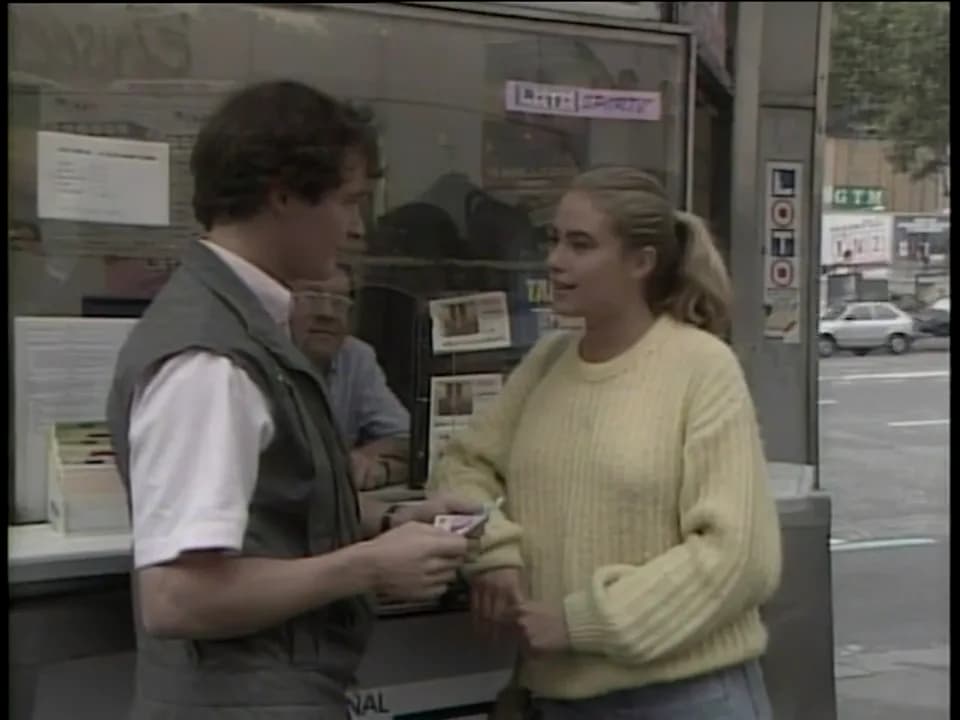
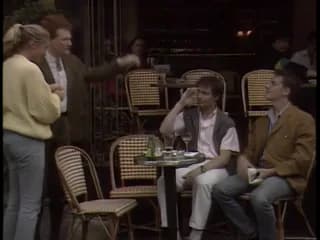
A scene from French in Action episode 41, Question de chance I
minutes of video
29
CEFR level
A2
key words
35
grammar patterns
4

By the end you can

  • ask for the bill: Garçon, l'addition, s'il vous plaît ! — Est-ce que nous pourrions avoir l'addition ?
  • react to bad and good luck: Ça, c'est pas de veine ! — Au contraire, ça porte bonheur.
  • describe a small accident: il laisse tomber une pièce; tout le monde se précipite pour la ramasser; les verres se cassent
  • leave a group: Bon ben, moi, je m'en vais. — or politely: prendre congé en vous remerciant
  • say any and set a condition: Prends n'importe quel billet, pourvu que les deux derniers chiffres fassent neuf.
  • point at who did it: Ce n'est pas moi qui les ai cassés, c'est toi.
  • say you don't dare: Il n'ose pas.

Listen out for

Five things to notice the first time you watch. Spotting them is half the lesson.

  • The waiter at Fouquet's: count how many people ask for the bill before it comes.
  • The tray of glasses — and three reactions: Jean-Pierre's rude word, Hubert's pas de veine, Mireille's ça porte bonheur.
  • Two ways to leave: Hubert prend congé, Jean-Pierre s'en va.
  • Robert's nines: 18, 135, nine couples… and the ticket's series: MR!
  • Garde-le ! — who will keep the ticket?

Scene by scene

The episode in 17 short scenes, with the time each one starts in the video.

  1. Starts at 0:00

    1.Broken glass, good luck

    The English introduction: Robert pays the café bill, the waiter drops his tray, and broken glass means good luck — so Robert and Mireille buy a lottery ticket.

  2. Starts at 1:06

    2.The bill that never comes

    On the terrace of Fouquet's, Jean-Pierre, Hubert and Mireille each ask for the bill. The waiter looks elsewhere. Then Robert tries his luck — and it works: 135 francs.

  3. Starts at 2:00

    3.A tray full of glasses

    Robert pays with a 200-franc note. Giving the change, the waiter drops a coin, everyone rushes to pick it up — and the tray crashes to the ground. Bad luck? No: broken clear glass brings good luck!

  4. Starts at 2:56

    4.Down the Champs-Élysées

    Hubert takes his leave politely, Jean-Pierre just goes. Robert and Mireille walk down the Champs-Élysées. Couples hold hands — Robert would like to take Mireille's hand, but doesn't dare. Next to a newspaper kiosk: a National Lottery stand.

  5. Starts at 4:00

    5.Shall we buy a ticket?

    Mireille has never won the lottery — she's never bought a ticket. Robert could use some fresh cash, and with all that broken glass they must be lucky. Mireille agrees: part of the money goes to a good cause. Who will choose?

  6. Starts at 5:00

    6.Nines everywhere

    Robert wants a ticket whose last two digits add up to nine. Why? Mireille is 18 (1+8), lives at number 18, the drinks cost 135 francs (1+3+5), and he counted nine couples holding hands.

Show the other 11 scenes
  1. 7The ticket with the pink babyMireille picks a ticket for a charity for abandoned babies: a pink baby on a pale blue background, series MR. Robert wants her to keep it, but she prefers that he does. They'll buy the paper on Thursday to see how much they've won.Starts at 5:45
  2. 8Looking elsewhere, making signsThe professor replays the bill scene: the waiter regarde ailleurs, Hubert tries to attirer l'attention, aucun effet. Then se diriger vers and faire signe — to a waiter, a taxi, to be quiet.Starts at 6:36
  3. 9Trying your luckTenter sa chance: Marie-Laure finds the ten of diamonds, Jean-Pierre asks a girl for a light (no luck), Robert gets the bill. Then se détourner pudiquement — the others look away while he pays.Starts at 9:01
  4. 10Put down, rush, pick upPoser (the waiter puts his tray down), se précipiter (everyone rushes — into the water, to the phone), ramasser (pick up a coin, papers, dead leaves, two hitchhikers).Starts at 10:20
  5. 11Broken things — and a rude wordGlasses, windows, legs, an arm, a nose, eggs for an omelette: casser, se casser, un morceau. Then Jean-Pierre's vulgar reaction — a word you shouldn't say. Polite people say zut or mince.Starts at 12:40
  6. 12Bad luck, good luck, goodbyesCe n'est pas de veine: failing an exam, missing a train, rain on holiday, a flat tyre. But clear glass, a four-leaf clover and a horseshoe bring luck — a black cat brings bad luck. Then two ways to leave: s'en aller (Jean-Pierre) and prendre congé (Hubert).Starts at 14:30
  7. 13Holding hands — not daringCouples se tiennent par la main, by the arm, by the waist. But Robert n'ose pas — just like in Chartres, when he didn't dare buy Mireille a present.Starts at 16:45
  8. 14Win the lottery?Newspaper kiosks and lottery stands. You can win at cards, at the races, at roulette — or the lottery. Is it moral? Part of the money goes to charity: orphans, people with tuberculosis. Real people say they never buy tickets: ça ne marche pas.Starts at 18:00
  9. 15Your turn: be MireilleReplay of the ticket scene — then you play Mireille. Then n'importe quel / lequel / laquelle (any) and pourvu que (as long as): pourvu que tu aies fini tes devoirs.Starts at 20:40
  10. 16Prices, babies and keeping thingsCoûter (135 francs is expensive!), un poupon and une poupée, bleu pâle / bleu foncé. Then garder: Mireille keeps her earrings, Marie-Laure keeps her last chocolate.Starts at 22:25
  11. 17Questions — and bedtimeListen, watch, think and answer: does the waiter look elsewhere? Does Jean-Pierre leave or take his leave? Why doesn't Robert take Mireille's hand? Then a last lottery conversation, and it's time to say goodbye.Starts at 24:38

Key phrases, with Hindi and Punjabi pronunciation

Real lines from this episode, written the way they sound in Latin letters, Devanagari and Gurmukhi.

  • Garçon, l'addition, s'il vous plaît !Waiter, the bill, please!
    gar-SO(N), la-dee-SYO(N), seel voo PLAYगाग़-सोँ, ला-दी-स्योँ, सील वू प्लेਗਾਗ਼-ਸੋਂ, ਲਾ-ਦੀ-ਸ੍ਯੋਂ, ਸੀਲ ਵੂ ਪ੍ਲੇ
  • Ça, c'est pas de veine alors.Well, that's bad luck!
    SA, say pa duh VEN, a-LORसा, से पा दअ वैन, आ-लोग़ਸਾ, ਸੇ ਪਾ ਦਅ ਵੈਨ, ਆ-ਲੋਗ਼
  • Mais non, au contraire, ça porte bonheur, c'est du verre blanc.No, on the contrary, it brings good luck — it's clear glass.
    may NO(N), o ko(n)-TRAIR, sa port bo-NUHR, say dü vair BLA(N)मे नोँ, ओ कोँ-त्ग़ैग़, सा पोग़्त बो-नअग़, से dü वैग़ ब्लाँਮੇ ਨੋਂ, ਓ ਕੋਂ-ਤ੍ਗ਼ੈਗ਼, ਸਾ ਪੋਗ਼੍ਤ ਬੋ-ਨਅਗ਼, ਸੇ dü ਵੈਗ਼ ਬ੍ਲਾਂ
  • Allez, achetons un billet, d'accord ?Come on, let's buy a ticket, OK?
    a-LAY, ash-TO(N) a(n) bee-YAY, da-KOR?आ-ले, आश-तोँ अँ बी-ये, दा-कोग़?ਆ-ਲੇ, ਆਸ਼-ਤੋਂ ਅੰ ਬੀ-ਯੇ, ਦਾ-ਕੋਗ਼?
  • Si ça t'amuse.If it amuses you.
    see sa ta-MÜZसी सा ता-müज़ਸੀ ਸਾ ਤਾ-müਜ਼

Sounds to master in this episode

French sounds explained through the Hindi and Punjabi sounds you already make, with real lines from the episode to copy.

  • The gn of espagnol/ɲ/

    न्यਨ੍ਯ

    gn sounds like the ny in canyon — one smooth sound: gagner, gagné, gagnants, signe. Don't say g + n separately. It's close to Hindi ञ / the ny of nyay.

    • C'est Marie-Laure qui a gagné.It's Marie-Laure who has won.
    • Robert fait signe au garçon.Robert waves to the waiter.
  • The pure o of au/o/

    ओ (शुद्ध)ਓ (ਸ਼ੁੱਧ)

    Closed o [o] in poser, oser, chose, adorable: round lips tight, like oh without gliding to -oo. Il n'ose pas — keep it short and pure.

    • Il n'ose pas.He doesn't dare.
    • L'homme en noir a posé ses lunettes sur la table.The man in black has put his glasses down on the table.

Grammar patterns in this episode

Each pattern comes from real lines in the episode. Here is the short version; in the course you notice it in the video first, then drill it.

  1. 1Pourvu que… — as long as (+ subjunctive)

    Pourvu que = as long as, provided that. It sets one condition, and it is followed by the subjunctive (like il faut que, Lesson 36–37): pourvu que les chiffres fassent neuf (faire → fasse), pourvu que tu aies fini (avoir). Same after je préfère que: je préfère que ce soit toi qui le gardes. Regular verbs just take the ils stem + -e, -es, -e: garder → que tu gardes.

    From the episode

    Vas-y, prends n'importe quel billet, pourvu que les deux derniers chiffres fassent neuf.

    Go on, take any ticket, as long as the last two digits add up to nine.

    Hindi and Punjabi link

    Pourvu que… works like Hindi बशर्ते कि… / Punjabi ਬਸ਼ਰਤੇ ਕਿ… — 'on condition that'. Like Mum's Oui, pourvu que tu aies fini tes devoirs: हाँ, बशर्ते कि होमवर्क हो गया हो!

  2. 2N'importe quel, n'importe lequel — any (at all)

    N'importe = 'it doesn't matter'. Before a noun: n'importe quel (m) / quelle (f) + noun = any … at all: n'importe quel billet, n'importe quelle carte. Without a noun (the noun is understood): n'importe lequel (m) / laquelle (f): Prends une carte, n'importe laquelle. Same family: n'importe qui (anyone), n'importe quoi (anything), n'importe où (anywhere).

    From the episode

    Prends n'importe quel numéro.

    Take any number.

    Hindi and Punjabi link

    N'importe lequel = Hindi कोई भी / Punjabi ਕੋਈ ਵੀ — 'any one, I don't mind'. Ça m'est égal = कोई फ़र्क नहीं पड़ता.

  3. 3Je m'en vais — s'en aller vs prendre congé

    S'en aller = to go off, leave. It's aller with two little words in front: me/te/se/nous/vous + en: je m'en vais, tu t'en vas, il s'en va, nous nous en allons, vous vous en allez, ils s'en vont. It simply means leaving (Jean-Pierre: Salut.). Prendre congé is more formal: you say goodbye properly and thank people (Hubert: il ne me reste plus qu'à prendre congé en vous remerciant).

    From the episode

    Bon ben, moi, je m'en vais.

    Right, well, I'm off.

  4. 4C'est toi qui… — pointing at the person

    C'est + person + qui + verb puts the spotlight on who did it: Ce n'est pas moi qui les ai cassés, c'est toi. Use the stressed pronouns: moi, toi, lui, elle, nous, vous, eux, elles. The verb after qui agrees with that person: c'est moi qui ai, c'est toi qui perds, c'est nous qui avons gagné.

    From the episode

    Ce n'est pas moi qui les ai cassés, c'est toi.

    I'm not the one who broke them, you are.

    Hindi and Punjabi link

    It's the Hindi तूने तोड़ा, मैंने नहीं! / Punjabi ਤੂੰ ਤੋੜਿਆ, ਮੈਂ ਨਹੀਂ! — putting the blame on one person. French just wraps it in c'est… qui.

Words you will meet

Each word is written the way it sounds in Devanagari and Gurmukhi.

  • l'additionf.the bill (in a café)ला-दी-स्योँਲਾ-ਦੀ-ਸ੍ਯੋਂ
  • le garçonm.the waiterलअ गाग़-सोँਲਅ ਗਾਗ਼-ਸੋਂ
  • ailleurselsewhereआ-यअग़ਆ-ਯਅਗ਼
  • faire signe àto wave to, signal toफ़ैग़ सीन्य आਫ਼ੈਗ਼ ਸੀਨ੍ਯ ਆ
  • tenter sa chanceto try one's luckताँ-ते सा शाँसਤਾਂ-ਤੇ ਸਾ ਸ਼ਾਂਸ
  • la monnaief.change (coins back)ला मो-नेਲਾ ਮੋ-ਨੇ
  • un plateaum.a trayअँ प्ला-तोਅੰ ਪ੍ਲਾ-ਤੋ
  • poserto put downपो-ज़ेਪੋ-ਜ਼ੇ
  • laisser tomberto dropले-से तोँ-बेਲੇ-ਸੇ ਤੋਂ-ਬੇ
  • une piècef.a coinün प्यैसün ਪ੍ਯੈਸ
  • se précipiterto rushसअ प्ग़े-सी-पी-तेਸਅ ਪ੍ਗ਼ੇ-ਸੀ-ਪੀ-ਤੇ
  • ramasserto pick upग़ा-मा-सेਗ਼ਾ-ਮਾ-ਸੇ

Plus 23 more words in the lesson, each with its pronunciation.

Practice in all four skills

Listening, speaking, reading and writing: the four skills TEF Canada and TCF Canada score. Every task is built from this episode's own lines.

  • Listening

    8 dictation lines cut from the video: hear it, type it, check every accent.

    A line you will write down

    Le garçon regarde ailleurs.

    The waiter looks elsewhere.

  • Speaking

    Shadow 8 lines after the actors, answer 6 questions aloud, then a short role-play with Mireille.

    How the role-play opens

    Dis donc, tu as vu tous ces verres cassés ? Ça porte bonheur, tu sais.

    Hey, did you see all those broken glasses? It brings good luck, you know.

  • Reading

    A short story, “A lucky afternoon”, retold with this episode's words, then 5 questions on it.

    The story starts

    Mireille, Hubert, Robert et Jean-Pierre sont à la terrasse du Fouquet's.

  • Writing

    8 fill-in sentences, 5 sentences to build and 2 short writing tasks with feedback.

    A writing task

    You're in a café with friends and want to pay. Write the scene: call the waiter, ask for the bill, pay, and react when something goes wrong.

Then a self-test of 8 questions to finish the episode, and new words go into your review deck.

Culture notes

La Loterie nationale

France's Loterie nationale (1933–1990) sold tickets in street stands and kiosks; the tirage (draw) was on Wednesdays and the winning numbers appeared in Thursday's papers. Some issues raised money for good causes — les gueules cassées (soldiers disfigured in World War I) and les ailes brisées (injured airmen). Today it's the Loto and scratch cards of the Française des Jeux.

Hindi and Punjabi linkLike the state lotteries some Indian states run (Kerala, Punjab…): tickets from little roadside stalls and results in the next day's paper.


Lucky and unlucky

French superstitions in this episode: breaking verre blanc (clear glass — not coloured) porte bonheur; so do a trèfle à quatre feuilles (four-leaf clover) and a fer à cheval (horseshoe). Seeing a chat noir porte malheur. Note the casual Ce n'est pas de veine = bad luck.

Hindi and Punjabi linkA black cat crossing your path? Many Indian families say the same — wait a moment before you go on!

Garçon, l'addition !

In a French café you ask for the bill — the waiter won't bring it unasked (that would be rude, like rushing you out). Catching his eye can be an art: faire signe au garçon. Calling Garçon ! was normal in the 1980s; today people prefer S'il vous plaît ! or Monsieur !. And when one friend pays, the others politely se détournent.

Hindi and Punjabi linkLike trying to catch the waiter's eye in a busy dhaba — bhaiya, bill! — except in Paris you may wait twenty minutes.

Who is in it

  • Mireillechooses the lucky ticket — but won't keep it
  • Robertpays the bill, and finds nines everywhere
  • Hubertthe well-mannered aristocrat
  • Jean-Pierrethe not-so-well-mannered one
  • Le garçonthe waiter at Fouquet's
  • Marie-LaureMireille's little sister, in the examples

Watch this episode in your free trial

Start with Episode 1 free in two taps. Add your email when you are ready and every episode, this one included, opens for 7 days. No card needed.

Start free with Episode 1

What you get

  • Warm-up, tap-to-translate captions, words & patterns, practice
  • Hindi and Punjabi pronunciation help
  • Printable watch guide and master guide
  • New words saved to your spaced review deck

Coming up next

Episode 42 — Question de chance II. Thursday morning: the newspaper and the list of winners. Have Robert and Mireille won?