French

Part 5 · Enjoyment

Episode 45: Pensez Vacances III

Vacation Planning III

  • 29 min video
  • About 80 min with practice
  • A2

Tea with Tonton Guillaume at the Grande Cascade: Georgette's dog cemetery? Quel vieux chameau ! Paulette's old car? Méfie-toi ! Shares? La Bourse baisse. His advice: de bons gueuletons. Mireille has another plan — a trip round France with Robert. Meanwhile Robert buys a yellow jacket (il vous va comme un gant), refuses des slips, and jumps out of a very strange taxi. Learn ça m'est égal, tout craché, se méfier, se servir de and quelque chose qui ne soit pas salissant.

Start with Episode 1 free in two taps. Add your email when you are ready and every episode, this one included, opens for 7 days. No card needed.

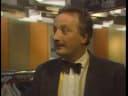
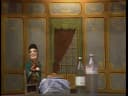
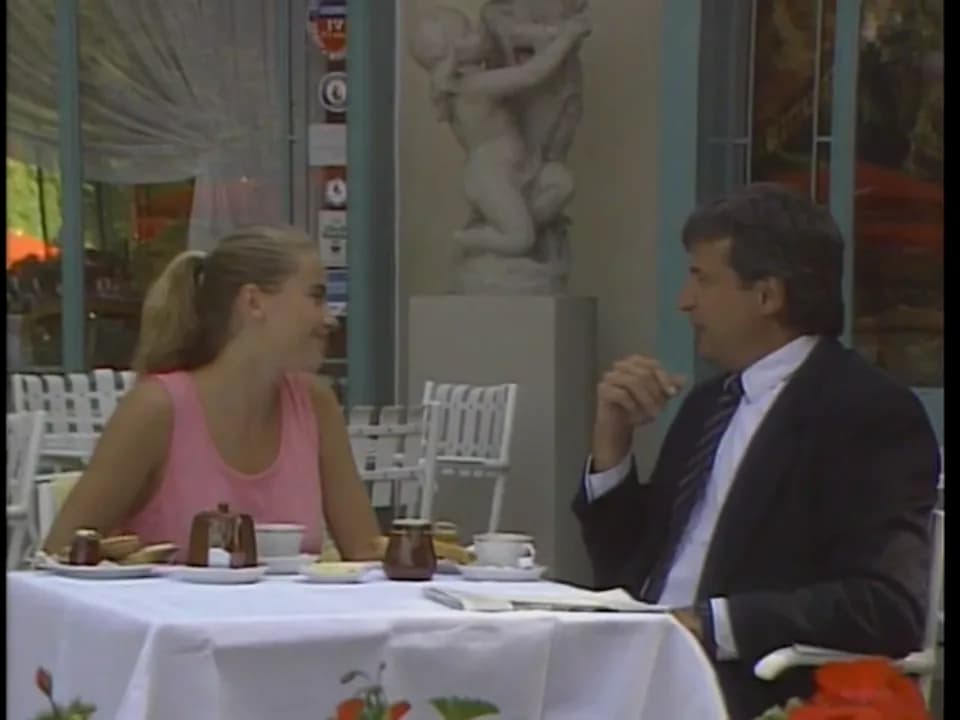
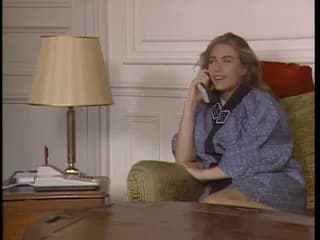
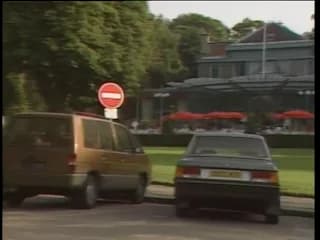
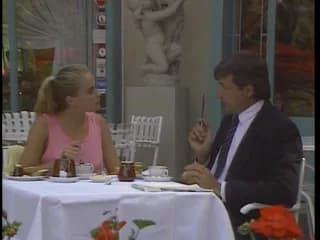
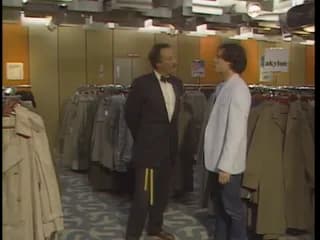
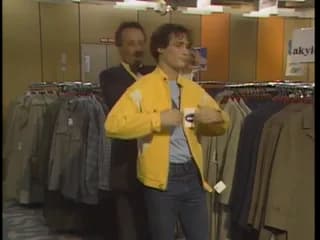
A scene from French in Action episode 45, Pensez Vacances III
minutes of video
29
CEFR level
A2
key words
34
grammar patterns
4

By the end you can

  • react to big news: Sans blague ! C'est formidable ! Il faut fêter ça !
  • say someone is just like that: Ça, c'est bien elle ! C'est Georgette tout craché.
  • warn and advise: Méfie-toi ! Il vaut mieux que tu te serves de ma voiture.
  • talk about money: dépenser, faire des économies, acheter des actions, un bon investissement
  • say you don't mind: Ça m'est égal. Ça n'a pas d'importance.
  • describe what you want, with the subjunctive: quelque chose qui ne soit pas trop salissant, que je puisse mettre en ville
  • shop for clothes: Vous faites quelle taille ? Il vous va comme un gant. Je le prends.
  • say you have all you need: Non merci, j'ai tout ce qu'il me faut.

Listen out for

Five things to notice the first time you watch. Spotting them is half the lesson.

  • Guillaume's first guess at Mireille's news — and what he says when he hears it: Sans blague !
  • Three family ideas for the money, and Guillaume's verdict on each: tout craché… méfie-toi… la Bourse baisse.
  • His own advice: quelques bons gueuletons — and what Mireille's father thinks of Vichy.
  • Robert's shopping list: un blouson… quelque chose qui ne soit pas trop salissant. What colour does he get?
  • The word slip — Robert thinks it's for ladies. It isn't, in French!
  • The taxi driver's foot, his sock… and his eye in the rétroviseur.

Scene by scene

The episode in 15 short scenes, with the time each one starts in the video.

  1. Starts at 0:00

    1.Previously…

    The English intro: Uncle Guillaume wants Mireille to spend her lottery money on great meals; she prefers Robert's plan to travel. Robert has trouble with a salesman and takes a wild taxi ride.

  2. Starts at 1:06

    2.Allô, Tonton Guillaume ?

    Mireille phones her uncle: Devine ce qui m'arrive ! — Tu te maries ? — No, better: 40,000 francs at the lottery! Sans blague ! Il faut fêter ça. He invites her to tea at the Grande Cascade at four.

  3. Starts at 1:55

    3.Georgette, Paulette — méfie-toi !

    At the Grande Cascade: what to do with the money? Tante Georgette wants it for her dog cemetery (c'est Georgette tout craché !). Tante Paulette wants to sell her old car — méfie-toi ! It hasn't run since 1940. Guillaume will lend his.

  4. Starts at 3:09

    4.La Bourse? No — gueuletons!

    Philippe says buy shares — but la Bourse baisse. Guillaume's advice: good feasts with friends in every three-star restaurant in Paris. Her liver? Take a Vichy cure! Mireille finds a 400-franc meal presque immoral: she'll travel round France with Robert — he paid for the ticket.

  5. Starts at 4:25

    5.Un blouson pas trop salissant

    Robert, in the men's department: he wants a windbreaker he can wear in town and for camping, dark, pas trop salissant. He doesn't know his size, so the salesman measures his chest: 124. The only one in his size is… yellow and white.

  6. Starts at 5:30

    6.Comme un gant — et des slips

    Il vous va comme un gant ! Robert still hates the colour — but at least, if he gets lost, they'll find him. Corduroy trousers? No. Tergal, sport et habillé? He takes them without trying. Shirts? Briefs? Robert thinks slips are for ladies. J'ai tout ce qu'il me faut.

Show the other 9 scenes
  1. 7Le taxi fouOutside, a taxi seems to be waiting. It races off in wild jerks. The driver's foot: black shoe, red sock — no, red woollen long johns! He winks in the mirror in time with the accelerator, and they're at Saint-Lazare, the opposite way. Robert jumps out.Starts at 7:32
  2. 8Il faut fêter ça !The professor replays the story. Fêter: festivals in Alsace, the Basque Country, Martinique; birthdays, the 14th of July, Christmas, New Year. Then you play Tonton Guillaume: Sans blague… te voilà riche… il faut fêter ça.Starts at 9:11
  3. 9Tout craché, toutous et chameauxTea at the Grande Cascade again. Tout craché = just like her, the spitting image (from cracher, to spit). Une sépulture = a grave — Chopin's at Père-Lachaise. Un toutou (doggy) vs un tutu. And un vieux chameau.Starts at 11:12
  4. 10Se méfier, se servir deMéfie-toi ! Marie-Laure won't lend Mireille 50 francs without a date; a runner trips on a string; never accept anything from a stranger. Then the 1940 exodus. And se servir de = to use: a car, a pen, a spanner, a corkscrew, a hammer.Starts at 13:19
  5. 11La Bourse, le foie, VichyShares go up and down; property is a good investment. Un gueuleton = a big meal with friends; the Michelin Guide's stars. Too many gueuletons hurt the liver — drink Vichy water! But M. Belleau won't hear of Vichy: Pétain's government sat there during the war.Starts at 15:53
  6. 12Ça m'est égal — salissantWhat would you do with lottery money? Then ça m'est égal: two kids and a cream puff. Salissant: white, oysters, roof tiles, light blue. Then you play Robert with the salesman.Starts at 18:33
  7. 13Essayer, comme un gant, les tissusEssayer: Robert, Colette, a lady in a fitting room. Ça te va comme un gant. Corduroy and Tergal are des tissus: cotton, silk, wool; a sweater is du tricot. Synthetics dry fast: sec, humide.Starts at 21:07
  8. 14Maladroit, le rétroviseurRobert and the slips. Then the taxi: maladroit (clumsy), par bonds désordonnés, le rétroviseur. A map: from the Samaritaine to Saint-Lazare instead of the Latin Quarter — c'est à l'opposé. S'éloigner.Starts at 23:21
  9. 15Questions — and Guignol's liverLook, think and answer: tea or a feast? Toutou or tutu? Wary or trusting? Then Guignol drinks too much: Vichy? Évian? Badoit? Je préfère le beaujolais ! Credits.Starts at 25:06

Key phrases, with Hindi and Punjabi pronunciation

Real lines from this episode, written the way they sound in Latin letters, Devanagari and Gurmukhi.

  • Devine ce qui m'arrive !Guess what's happened to me!
    duh-VEEN suh kee ma-REEVदअ-वीन सअ की मा-ग़ीवਦਅ-ਵੀਨ ਸਅ ਕੀ ਮਾ-ਗ਼ੀਵ
  • Il faut fêter ça !We have to celebrate that!
    eel FOH fay-TAY saईल फ़ो फ़ै-ते साਈਲ ਫ਼ੋ ਫ਼ੈ-ਤੇ ਸਾ
  • C'est Georgette tout craché !That's Georgette all over!
    say zhor-ZHET too kra-SHAYसे झ़ोग़-झ़ैत तू क्ग़ा-शेਸੇ ਝ਼ੋਗ਼-ਝ਼ੈਤ ਤੂ ਕ੍ਗ਼ਾ-ਸ਼ੇ
  • Méfie-toi !Watch out! Be careful!
    may-FEE TWAमे-फ़ी तुआਮੇ-ਫ਼ੀ ਤੁਆ
  • Ça m'est égal.I don't mind.
    sa may tay-GALसा मे ते-गालਸਾ ਮੇ ਤੇ-ਗਾਲ

Sounds to master in this episode

French sounds explained through the Hindi and Punjabi sounds you already make, with real lines from the episode to copy.

  • The French R/ʁ/

    ग़ (हल्का)ਗ਼ (ਹਲਕਾ)

    French r is made at the back of the throat — like a soft ग़ / ਗ਼ — even right after t or d: trois, très, travail, rétroviseur, maladroit, restaurant. Don't roll it, don't flap it like Hindi र: keep the tongue tip down behind your lower teeth.

    • Tu pourrais essayer tous les restaurants trois étoiles de Paris.You could try all the three-star restaurants in Paris.
    • Un rétroviseur.A rear-view mirror.
  • The ü of tu/y/

    ई + ऊ के होंठਈ + ਊ ਦੇ ਬੁੱਲ੍ਹ

    Un toutou, un tutu — the professor's perfect pair. ou (toutou): lips round, tongue back, like ऊ / ਊ. u (tutu): lips just as round, but tongue forward, as if saying ई / ਈ. Also in inaperçu, tu, surtout, cure.

    • Un toutou, un tutu.A doggy, a tutu.
    • Enfin, avec ça, je ne passerai pas inaperçu.Well, in that I won't go unnoticed.

Grammar patterns in this episode

Each pattern comes from real lines in the episode. Here is the short version; in the course you notice it in the video first, then drill it.

  1. 1Quelque chose qui ne soit pas salissant — the subjunctive after qui / que

    When you describe something you're looking for — it may not exist — the verb after qui / que goes into the subjunctive: Je voudrais quelque chose qui ne soit pas salissant, que je puisse mettre en ville. Same after le seul / le premier / le meilleur: le seul que nous ayons. When the thing is real and known, use the indicative: J'ai un blouson qui est jaune. You already know the subjunctive forms from il faut que, bien que, à moins que — this is just a new place to use them.

    From the episode

    Quelque chose que je puisse mettre en ville et aussi pour faire du camping.

    Something I could wear in town and also for camping.

    Hindi and Punjabi link

    Hindi does something similar with कोई ऐसा … जो … : मुझे कोई ऐसी जैकेट चाहिए जो जल्दी गंदी न हो / Punjabi ਮੈਨੂੰ ਕੋਈ ਐਸੀ ਜੈਕਟ ਚਾਹੀਦੀ ਜੋ ਛੇਤੀ ਮੈਲੀ ਨਾ ਹੋਵੇ — notice हो / ਹੋਵੇ, not है / ਹੈ: the 'maybe' form. French soit is that हो.

  2. 2J'ai tout ce qu'il me faut — il me faut = I need

    il faut + an indirect pronoun = someone needs something: il me faut un blouson = I need a jacket. The pronoun (me, te, lui, nous, vous, leur) goes before faut. Then ce que / ce qui = 'what': ce qu'il me faut = what I need; tout ce qu'il me faut = everything I need. Use ce qui when 'what' is the subject: tout ce qui l'intéresse (what interests her).

    From the episode

    C'est exactement ce qu'il vous faut.

    It's exactly what you need.

    Hindi and Punjabi link

    This is exactly मुझे चाहिए / ਮੈਨੂੰ ਚਾਹੀਦਾ: the person who needs goes in the 'to-me' form. Il me faut = मुझे चाहिए, il vous faut = आपको चाहिए / ਤੁਹਾਨੂੰ ਚਾਹੀਦਾ. J'ai tout ce qu'il me faut = मेरे पास सब कुछ है जो मुझे चाहिए.

  3. 3Il vaut mieux que tu te serves de ma voiture — se servir de, se méfier

    se servir de (to use) and se méfier (to be wary) are reflexive verbs: the pronoun matches the subject — je me sers, tu te sers, il se sert, nous nous servons, vous vous servez, ils se servent. de comes before the thing: se servir d'un stylo, se méfier d'un inconnu. In a command the pronoun goes after, as toi / vous: Méfie-toi ! Sers-toi ! Servez-vous ! After il vaut mieux que → subjunctive: que tu te serves.

    From the episode

    Il vaut mieux que tu te serves de celle de ton vieux tonton.

    You're better off using your old uncle's.

    Hindi and Punjabi link

    se servir de = का इस्तेमाल करना / ਦੀ ਵਰਤੋਂ ਕਰਨੀ: elle se sert d'un stylo = वह पेन का इस्तेमाल करती है. Notice French de sits where Hindi puts का — before the tool, not after. Méfie-toi ! = ध्यान से! / ਧਿਆਨ ਨਾਲ!

  4. 4Ça m'est égal — I don't mind

    ça m'est égal = literally 'it's equal to me' = I don't mind. Ça is the subject; the person goes in as an indirect pronoun: me (m'), te (t'), lui, nous, vous, leur + est égal. Negative: ça ne m'est pas égal = I do mind. Same pattern as ça te va ? and il me faut.

    From the episode

    Non, pas vraiment. Ça m'est un peu égal.

    No, not really. I don't much mind.

    Hindi and Punjabi link

    Built like मुझे कोई फ़र्क़ नहीं पड़ता / ਮੈਨੂੰ ਕੋਈ ਫ਼ਰਕ ਨਹੀਂ ਪੈਂਦਾ — the person is 'to me', not the subject. Or the shorter मुझे चलेगा / ਮੈਨੂੰ ਚੱਲੂ — ça me va.

Words you will meet

Each word is written the way it sounds in Devanagari and Gurmukhi.

  • fêterto celebrateफ़ै-तेਫ਼ੈ-ਤੇ
  • une fêtef.a festival, a holidayün फ़ैतün ਫ਼ੈਤ
  • sans blague !no kidding!सँ ब्लागਸੰ ਬ੍ਲਾਗ
  • tout crachéthe spitting image, just like (her)तू क्ग़ा-शेਤੂ ਕ੍ਗ਼ਾ-ਸ਼ੇ
  • ressembler àto look like, to be likeग़अ-साँ-ब्ले आਗ਼ਅ-ਸਾਂ-ਬ੍ਲੇ ਆ
  • un toutoum.a doggyअँ तू-तूਅੰ ਤੂ-ਤੂ
  • un chameaum.a camel; (of a person) a nasty old thingअँ शा-मोਅੰ ਸ਼ਾ-ਮੋ
  • se méfierto be wary, to watch outसअ मे-फ़्येਸਅ ਮੇ-ਫ਼੍ਯੇ
  • se servir deto useसअ सैग़-वीग़ दअਸਅ ਸੈਗ਼-ਵੀਗ਼ ਦਅ
  • une actionf.a share (in a company)ün आक-स्योँün ਆਕ-ਸ੍ਯੋਂ
  • la Boursef.the stock exchangeला बूग़सਲਾ ਬੂਗ਼ਸ
  • baisserto go down, to fallबै-सेਬੈ-ਸੇ

Plus 22 more words in the lesson, each with its pronunciation.

Practice in all four skills

Listening, speaking, reading and writing: the four skills TEF Canada and TCF Canada score. Every task is built from this episode's own lines.

  • Listening

    8 dictation lines cut from the video: hear it, type it, check every accent.

    A line you will write down

    À quatre heures, ça te va ?

    At four o'clock, does that suit you?

  • Speaking

    Shadow 8 lines after the actors, answer 6 questions aloud, then a short role-play with Le vendeur.

    How the role-play opens

    Bonjour, monsieur. On s'occupe de vous ?

    Good morning, sir. Is someone helping you?

  • Reading

    A short story, “Forty thousand francs of advice”, retold with this episode's words, then 5 questions on it.

    The story starts

    Mireille téléphone à son oncle Guillaume : elle vient de gagner quarante mille francs à la Loterie nationale.

  • Writing

    8 fill-in sentences, 5 sentences to build and 1 short writing task with feedback.

    A writing task

    You're going on a trip. In a shop, describe the jacket (or kurta!) you're looking for — and say no to the extras the salesman pushes.

Then a self-test of 7 questions to finish the episode, and new words go into your review deck.

Culture notes

Vichy: a water and a government

Vichy is a spa town in the Auvergne whose mineral water is said to be good for the liver — hence Guillaume's cure d'eau de Vichy. But in 1940 the German army invaded, and millions of French people fled south on the roads: l'exode (Paulette's car hasn't run since!). Marshal Pétain then set up his government in Vichy and collaborated with the Germans until 1944. For a man like M. Belleau, who was against Pétain, Vichy still means collaboration — not water.

Hindi and Punjabi linkLike a place name that, for one generation, can't be said without a political memory attached to it.


Stars in the Michelin Guide

The Guide Michelin started in 1900 as a free booklet from the tyre company, to make people drive more. Today its stars are the most famous restaurant ratings in the world: une étoile = very good, deux étoiles = worth a detour, trois étoiles = worth the journey. A three-star gueuleton in Paris could easily cost Mireille's 400 francs — or more.

Hindi and Punjabi linkThink of the city's most famous restaurant that families save up for, once a year — then imagine thirty of them, and an uncle who says go to all of them!

Mineral water and the French liver

French people traditionally blame almost every ache on le foie: a crise de foie after a big meal. The cure? Bottled eau minérale: Vittel, Évian, Vals, Volvic (still) and Badoit (sparkling). Spa towns — les villes d'eaux — offered three-week cures, and doctors prescribed them. Guignol, naturally, prefers le beaujolais.

Hindi and Punjabi linkThe French foie is the Indian पेट / ਢਿੱਡ: after a wedding feast, everyone's digestion needs help — hajmola for us, Vichy water for them.

Who is in it

  • Mireille40,000 francs richer
  • Tonton Guillaumethe rich uncle who loves good food
  • Robertshopping for the trip
  • Le vendeurthe salesman at the Samaritaine
  • Le chauffeura very strange taxi driver
  • Guignolthe puppet with a sore liver
  • Le professeurPierre Capretz, who explains the new words

Watch this episode in your free trial

Start with Episode 1 free in two taps. Add your email when you are ready and every episode, this one included, opens for 7 days. No card needed.

Start free with Episode 1

What you get

  • Warm-up, tap-to-translate captions, words & patterns, practice
  • Hindi and Punjabi pronunciation help
  • Printable watch guide, master guide, transcript, textbook, and workbook
  • New words saved to your spaced review deck

Coming up next

Episode 46 — Quelle variété ! Robert and Mireille spread out the map of France: mountains, rivers, coasts, regions… Where will the 40,000 francs take them?