


French

Part 6 · Epilogue

Episode 46: Quelle variété!

Geography and Tourism I

  • 29 min video
  • About 80 min with practice
  • A2

Mireille wants to tour France with Robert. Hubert lends his little Méhari — and himself with it. So Mireille invites Colette (tu me sauves la vie !), then Jean-Michel, a worn-out leftist (je suis crevé, je n'en peux plus). Five in a tiny car? Plus on est de fous, plus on rit ! Learn s'ennuyer à mourir / s'amuser comme des fous, ça coûte les yeux de la tête, changer d'air, the conditional for plans (on partirait…) and quelque chose à te proposer.

Start with Episode 1 free in two taps. Add your email when you are ready and every episode, this one included, opens for 7 days. No card needed.

A scene from French in Action episode 46, Quelle variété!
minutes of video
29
CEFR level
A2
key words
35
grammar patterns
4

By the end you can

  • say you'll be bored or have fun: Tu vas t'ennuyer à mourir ! — On s'amusera comme des fous !
  • talk about tentative plans with the conditional: On partirait dans une quinzaine de jours et on reviendrait fin août.
  • challenge a prediction: Je ne vois pas pourquoi je m'ennuierais.
  • invite someone persuasively: J'ai quelque chose à te proposer. Pourquoi est-ce que tu ne viendrais pas avec nous ?
  • say you're exhausted and need a break: Je suis crevé, je n'en peux plus. J'ai besoin de changer d'air.
  • say something is very expensive: Ça va coûter les yeux de la tête !
  • thank someone warmly: Formidable ! Tu me sauves la vie !
  • describe people with dont: un groupe d'enfants dont elle s'est occupée

Listen out for

Five things to notice the first time you watch. Spotting them is half the lesson.

  • Hubert's two objections — boredom (à mourir) and money (les yeux de la tête) — and his 'solution'.
  • Un méhari or une Méhari? One is a camel, one is a car. Listen for un / une.
  • Colette's two questions: Quand partiriez-vous ? and pour combien de temps ?
  • Jean-Michel's very rude refusal — and how quickly Mireille changes his mind.
  • Robert's face when he hears on sera cinq — and his camel joke.
  • Hubert's answers: serrés comme des sardines… la Méhari n'a pas d'impériale !

Scene by scene

The episode in 15 short scenes, with the time each one starts in the video.

  1. Starts at 0:00

    1.Previously…

    The English intro: Hubert offers his little car — and himself — for the trip. Colette agrees to be a fourth, then Mireille talks the leftist Jean-Michel into coming too.

  2. Starts at 1:06

    2.Une Méhari ? Un chameau ?

    On a café terrace, Hubert is shocked: alone with that young American? Tu vas t'ennuyer à mourir ! Renting a car will cost les yeux de la tête. He has just bought a Méhari — a car, not a camel — and he'll come along.

  3. Starts at 2:23

    3.Allô, Colette ? C'est urgent !

    Mireille phones Colette and meets her at the Passion du Fruit, a juice bar on the quai de la Tournelle. Firm plans for the summer? No. Mireille explains: she doesn't want to be alone between Hubert and Robert. Colette accepts — Tu me sauves la vie !

  4. Starts at 4:03

    4.Jean-Michel est crevé

    Sunday: Mireille sees 'her children' from last summer's camp, and Jean-Michel, the other counsellor. He's worn out and needs a change of scene. Pourquoi est-ce que tu ne viendrais pas avec nous ? — Tu te fous de moi ? But she convinces him.

  5. Starts at 6:04

    5.On sera cinq !

    Mireille tells Robert the 'good news': Hubert lends his Méhari — and comes too. Colette too. And Jean-Michel, a Trotskyist or something: ça va faire des étincelles ! Robert: J'aurais quand même préféré la solitude à deux…

  6. Starts at 7:06

    6.Serrés comme des sardines

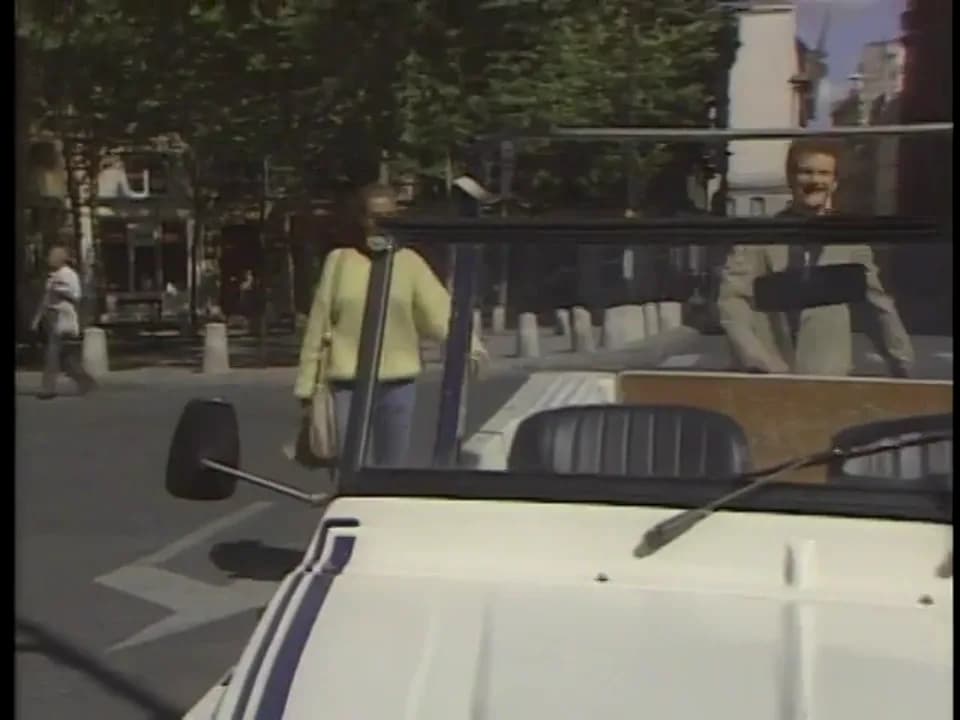
    Hubert shows off the Méhari: sobre, résistant, passe-partout. Then Mireille breaks the news. Four? Serrés comme des sardines ! Five, with 'a dangerous anarchist'? La Méhari n'a pas d'impériale ! — Plus on est de fous, plus on rit.

Show the other 9 scenes
  1. 7S'ennuyer, l'Hexagone, en plein champThe professor replays the story. S'ennuyer (be bored) vs s'amuser (have fun). L'Hexagone = France. Nights en plein champ — in the middle of a field. Sentir: feel the need for a shower, feel the cold.Starts at 8:46
  2. 8Les yeux de la tête, un chameau sobreÇa coûte les yeux de la tête — a Renault Alpine, for example. J'ai une idée — Newton, Lacan… Un méhari is a camel; une Méhari is a car. Both are sobres: camels hardly drink, the Méhari uses little petrol. Apollinaire was less sober.Starts at 10:55
  3. 9Projets fermes, intrus, serviceDes projets fermes — firm, like an apple. Hubert is un intrus: nobody invited him. Rendre service: Marie-Laure lends 50 francs. Une quinzaine de jours = two weeks. En avoir assez = to have had enough.Starts at 12:37
  4. 10Your turn: be ColetteListen to Mireille and Colette, then play Colette in the pauses: Quand partiriez-vous ? … En principe, j'accepte. Then sauver la vie: a drowning man, a nephew, a seat belt.Starts at 14:27
  5. 11Crevé, changer d'air, vachementUne colonie de vacances, un moniteur, une réunion. Crevé, je n'en peux plus. Changer d'air, d'horizon, de T-shirt, de disque, de vitesse. Déprimé: Montreal in November. And slangy vachement — c'est vachement bien quand on divorce !Starts at 16:16
  6. 12Galère, cultivé, ça prend formeTu te fous de moi ? — not polite: it means tu te moques de moi ? Une galère: a ship where you row hard. Robert is cultivé. Mireille convainc Jean-Michel. Nos projets prennent forme — like a glass or a car. And Robert's pun: ce chameau-là.Starts at 19:35
  7. 13Étincelles, impériale, enfant de chœurA leftist and a right-winger: ça va faire des étincelles. La solitude à deux. A table is extensible, the Méhari isn't; some buses have une impériale. Hubert has des airs d'enfant de chœur. And fâché: Marie-Laure is very cross.Starts at 21:34
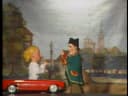
  8. 14Comme des fous — and your answersPlus on est de fous, plus on rit — says Georgette, who never laughs. S'amuser comme des fous. Then: look, think and answer — bored or having fun? Galley or Méhari? Field or camp? Worn out or depressed?Starts at 23:52
  9. 15Bon voyage, monsieur GuignolMireille finds Guignol crevé, depressed, bored to death. Venez avec nous ! Ça vous changera les idées. But he'd rather take a nap: Moi, j'aime mieux dormir. Bon voyage ! Credits.Starts at 25:45

Key phrases, with Hindi and Punjabi pronunciation

Real lines from this episode, written the way they sound in Latin letters, Devanagari and Gurmukhi.

  • Tu vas t'ennuyer à mourir !You'll be bored to death!
    tü va ta(n)-nwee-YAY a moo-REERtü वा ताँ-नुई-ये आ मू-ग़ीग़tü ਵਾ ਤਾਂ-ਨੁਈ-ਯੇ ਆ ਮੂ-ਗ਼ੀਗ਼
  • Ça va vous coûter les yeux de la tête !It's going to cost you an arm and a leg!
    sa va voo koo-TAY lay ZYUH duh la TETसा वा वू कू-ते ले ज़्यअ दअ ला तैतਸਾ ਵਾ ਵੂ ਕੂ-ਤੇ ਲੇ ਜ਼੍ਯਅ ਦਅ ਲਾ ਤੈਤ
  • J'ai quelque chose à te proposer.I have something to suggest to you.
    zhay kel-kuh SHOZ a tuh pro-poh-ZAYझ़े कैल-कअ शोज़ आ तअ प्ग़ो-पो-ज़ेਝ਼ੇ ਕੈਲ-ਕਅ ਸ਼ੋਜ਼ ਆ ਤਅ ਪ੍ਗ਼ੋ-ਪੋ-ਜ਼ੇ
  • Formidable ! Tu me sauves la vie !Terrific! You're saving my life!
    for-mee-DABL! tü muh SOHV la VEEफ़ोग़-मी-दाब्ल ! tü मअ सोव ला वीਫ਼ੋਗ਼-ਮੀ-ਦਾਬ੍ਲ ! tü ਮਅ ਸੋਵ ਲਾ ਵੀ
  • Je suis crevé, je n'en peux plus.I'm worn out, I can't take any more.
    zhuh swee kruh-VAY, zhuh na(n) puh PLÜझ़अ सुई क्ग़अ-वे, झ़अ नाँ पअ प्लüਝ਼ਅ ਸੁਈ ਕ੍ਗ਼ਅ-ਵੇ, ਝ਼ਅ ਨਾਂ ਪਅ ਪ੍ਲü

Sounds to master in this episode

French sounds explained through the Hindi and Punjabi sounds you already make, with real lines from the episode to copy.

  • The French R/ʁ/

    ग़ (हल्का)ਗ਼ (ਹਲਕਾ)

    Mark the r at the end of a word clearly — it's where English speakers drop it. mourir, air, dormir, sœur: finish with a soft ग़ / ਗ਼ from the back of the throat, tongue tip resting behind the lower teeth. à mourir, not à mouri.

    • Je m'ennuie, je m'ennuie à mourir.I'm bored, I'm bored to death.
    • J'ai besoin de changer d'air.I need a change of air.
  • The nasal in of vin/ɛ̃/

    ऐंਐਂ

    En plein champ packs three nasals into three words: en and champ = the open an (आँ / ਆਂ), plein = in (ऐँ / ਐਂ), with a flatter, wider mouth. Never pronounce an n or m after them: plein ends in the nasal vowel, champ has a silent p.

    • Très bien, en plein champ.Very good — out in a field.
    • Voilà des étincelles.Here are some sparks.

Grammar patterns in this episode

Each pattern comes from real lines in the episode. Here is the short version; in the course you notice it in the video first, then drill it.

  1. 1On partirait… — the conditional for plans and doubts

    The conditional = future stem + the imperfect endings (-ais, -ais, -ait, -ions, -iez, -aient). Use it when a plan is still only an idea: On partirait dans quinze jours (if all goes well). When it's decided, use the future: Nous partirons lundi. It also lets you challenge someone's prediction: Tu vas t'ennuyer ! — Je ne vois pas pourquoi je m'ennuierais. And it makes invitations softer: Pourquoi tu ne viendrais pas ? After si + imparfait, the result is in the conditional: Si tu pouvais venir, ça arrangerait tout.

    From the episode

    On partirait dans une quinzaine de jours, et on reviendrait, disons, fin août...

    We'd leave in about two weeks, and come back, say, at the end of August...

    Hindi and Punjabi link

    Hindi does the si… → conditional trick with अगर… तो… -ता: अगर तुम आ सकतीं, तो सब ठीक हो जाता / Punjabi ਜੇ ਤੂੰ ਆ ਸਕਦੀ, ਤਾਂ ਸਭ ਠੀਕ ਹੋ ਜਾਂਦਾ. That -ता / -ਦਾ 'would' ending is French -ait.

  2. 2Changer d'air, changer de T-shirt — changer de + noun

    changer de + noun, with no article = to swap one thing for another of the same kind: changer d'air, de T-shirt, de disque, de vitesse, d'adresse, de voiture. (de becomes d' before a vowel.) Compare changer + le / la / les = to alter something, or to affect someone: Ça te changera les idées — it'll change your thoughts, take your mind off things.

    From the episode

    Moi aussi, j'ai besoin de changer d'air.

    I need a change of air too.

    Hindi and Punjabi link

    Changer d'air is exactly the old Indian हवा-पानी बदलना / ਹਵਾ-ਪਾਣੀ ਬਦਲਣਾ — the doctor's advice to go to the hills when you're run down. Jean-Michel is prescribing himself a trip to Shimla!

  3. 3Des enfants dont elle s'est occupée — qui, que, dont

    Relative pronouns link a noun to a description. qui = the noun is the subject of the next verb: une voiture qui passe partout. que / qu' = the noun is the object: un jeune homme que les enfants adoraient. dont = the noun goes with de: s'occuper de ces enfants → des enfants dont elle s'est occupée. Same with avoir envie de, avoir besoin de, parler de: la chemise dont j'avais envie. After other prepositions, use à qui, avec qui, sur qui: la copine à qui j'ai proposé de venir.

    From the episode

    C'est un groupe de filles et de garçons dont elle s'est occupée l'été dernier

    It's a group of girls and boys she looked after last summer

  4. 4Je meurs d'envie, s'ennuyer à mourir — exaggerating with mourir

    French exaggerates with mourir, just like English 'dying of'. mourir de + noun (no article): je meurs de faim, de soif, de froid, de chaud, de peur, de fatigue, d'envie de partir. Or put à mourir after a verb or adjective: s'ennuyer à mourir, triste à mourir. mourir is irregular: je meurs, tu meurs, il meurt, nous mourons, ils meurent.

    From the episode

    Tu imagines bien que je ne meurs pas d'envie de me retrouver seule entre Hubert et mon Américain.

    You can imagine I'm not exactly dying to find myself alone between Hubert and my American.

    Hindi and Punjabi link

    Hindi and Punjabi exaggerate the same way: भूख से मर रहा हूँ / ਭੁੱਖ ਨਾਲ ਮਰ ਰਿਹਾ ਹਾਂ = je meurs de faim; बोर होके मर गया = je me suis ennuyé à mourir. Same image, same drama.

Words you will meet

Each word is written the way it sounds in Devanagari and Gurmukhi.

  • s'ennuyerto be boredसाँ-नुई-येਸਾਂ-ਨੁਈ-ਯੇ
  • à mourirto death (very)आ मू-ग़ीग़ਆ ਮੂ-ਗ਼ੀਗ਼
  • comme des fouslike crazyकोम दे फ़ूਕੋਮ ਦੇ ਫ਼ੂ
  • l'Hexagonem.France (the hexagon)लैक-सा-गोनਲੈਕ-ਸਾ-ਗੋਨ
  • parcourirto travel all overपाग़-कू-ग़ीग़ਪਾਗ਼-ਕੂ-ਗ਼ੀਗ਼
  • en plein champout in the open fieldsआँ प्लैँ शाँਆਂ ਪ੍ਲੈਂ ਸ਼ਾਂ
  • sentirto feelसाँ-तीग़ਸਾਂ-ਤੀਗ਼
  • une locationf.a rentalün लो-का-स्योँün ਲੋ-ਕਾ-ਸ੍ਯੋਂ
  • les yeux de la têtean arm and a legले ज़्यअ दअ ला तैतਲੇ ਜ਼੍ਯਅ ਦਅ ਲਾ ਤੈਤ
  • passer partoutto go anywhereपा-से पाग़-तूਪਾ-ਸੇ ਪਾਗ਼-ਤੂ
  • sobreabstemious, thriftyसोब्ग़ਸੋਬ੍ਗ਼
  • fermefirm, definiteफ़ैग़मਫ਼ੈਗ਼ਮ

Plus 23 more words in the lesson, each with its pronunciation.

Practice in all four skills

Listening, speaking, reading and writing: the four skills TEF Canada and TCF Canada score. Every task is built from this episode's own lines.

  • Listening

    8 dictation lines cut from the video: hear it, type it, check every accent.

    A line you will write down

    Écoute, j'ai une idée.

    Listen, I have an idea.

  • Speaking

    Shadow 8 lines after the actors, answer 6 questions aloud, then a short role-play with Jean-Michel.

    How the role-play opens

    Salut… Ouf, je suis crevé, je n'en peux plus.

    Hi… Phew, I'm worn out, I can't take any more.

  • Reading

    A short story, “Five in a Méhari”, retold with this episode's words, then 5 questions on it.

    The story starts

    Mireille va faire le tour de France avec Robert.

  • Writing

    8 fill-in sentences, 5 sentences to build and 1 short writing task with feedback.

    A writing task

    You're planning a trip with a friend — but you'd like a third person to come too. Write a message inviting them: what you'd do, when you'd leave, why they should come.

Then a self-test of 8 questions to finish the episode, and new words go into your review deck.

Culture notes

L'Hexagone

French schoolchildren learn to draw their country with a ruler: Dunkerque → Brest → Bayonne → Perpignan → Nice → Strasbourg → back to Dunkerque. Six sides: un hexagone. So l'Hexagone (capital H) is an everyday nickname for mainland France — on the news, in the papers, and in Hubert's mouth: Comment comptez-vous parcourir l'Hexagone ?

Hindi and Punjabi linkA bit like calling India the subcontinent — a shape that has become a name.


La Méhari

The Citroën Méhari (1968–1987) was a tiny open car with a plastic body, a canvas roof and the little engine of a 2CV. Cheap, light and sobre (it used very little petrol), it could go almost anywhere — ça passe partout — which is why it was named after le méhari, the fast camel of the Sahara. Five people and their luggage, though? La Méhari n'est pas extensible !

Hindi and Punjabi linkThink of an open Gypsy jeep on a hill road — fun, tough, and never meant for five adults with rucksacks.

La colo and the moniteurs

Les colonies de vacances — la colo — are summer camps where millions of French children spend a few weeks every July and August. They're run by young moniteurs / monitrices, often students like Mireille and Jean-Michel, who look after a group of kids. Many keep in touch with 'their' children afterwards — as these two do every Sunday.

Who is in it

  • Mireillethe trip organiser
  • Hubertthe aristocrat with a Méhari
  • ColetteMireille's friend from Provins
  • Jean-Michelthe worn-out leftist
  • Robertthe American who wanted to be alone with Mireille
  • M. Guignolthe puppet who'd rather sleep

Watch this episode in your free trial

Start with Episode 1 free in two taps. Add your email when you are ready and every episode, this one included, opens for 7 days. No card needed.

Start free with Episode 1

What you get

  • Warm-up, tap-to-translate captions, words & patterns, practice
  • Hindi and Punjabi pronunciation help
  • Printable watch guide, master guide, transcript, textbook, and workbook
  • New words saved to your spaced review deck

Coming up next

Episode 47 — Quelle richesse ! Five friends, one Méhari, and the map of France. Hubert wants châteaux, Jean-Michel wants le peuple, Mireille wants cathedrals, Colette wants cheese… Sparks are about to fly.