

French

Part 4 · Travel

Episode 35: Résidences IV

Residences IV

  • 29 min video
  • About 80 min with practice
  • A2

The doorbell again: the nun's brother wants to know if Marie-Laure has a sister who looks like a film star. She said no — quel culot ! — and Mireille's chance of a lifetime is gone. Then: thatch, tiles or slate? Why the French build en dur, where Paris students live, and why the Belleaus will not take Robert as a lodger. Learn s'attacher à, tout à l'heure, ni… ni and avoir besoin de.

Start with Episode 1 free in two taps. Add your email when you are ready and every episode, this one included, opens for 7 days. No card needed.

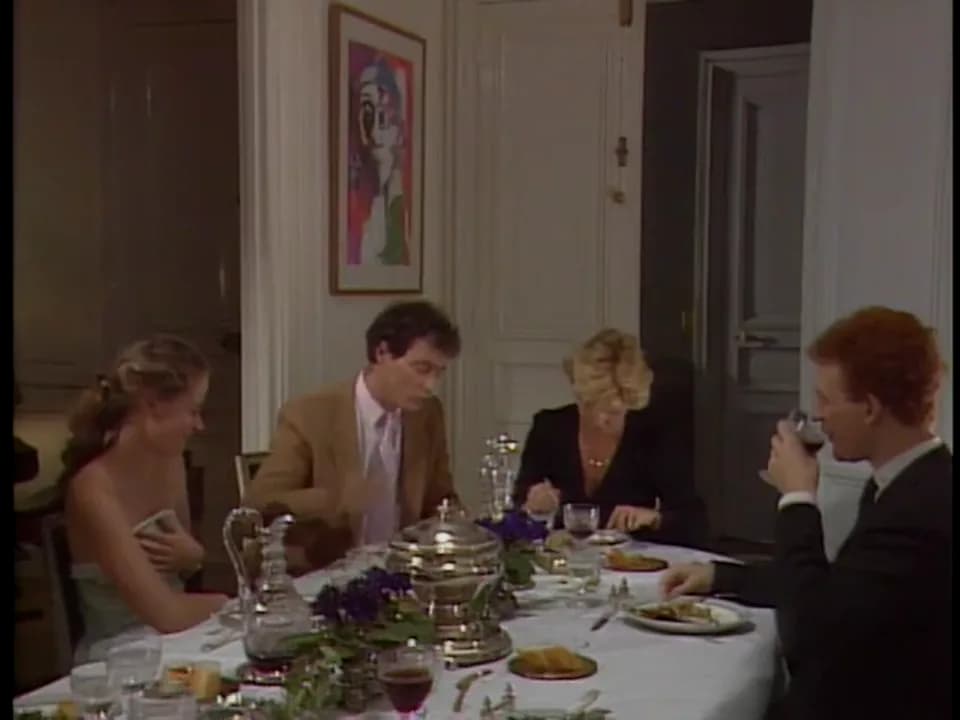
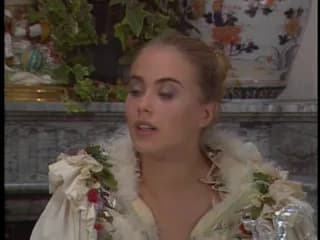
A scene from French in Action episode 35, Résidences IV
minutes of video
29
CEFR level
A2
key words
33
grammar patterns
4

By the end you can

  • say you're attached to something: Je m'y suis tellement attachée. On s'y attache.
  • react to cheek: Quel culot ! Tu as du culot ! Allez, ouste !
  • say a chance is gone: Maintenant, c'est raté. Elle a raté l'occasion.
  • say what a house is made of: en pierre, en brique, en bois — un toit en tuiles, en ardoise
  • use tout à l'heure for 'a while ago' and 'in a little while'
  • talk about student housing: louer une chambre chez des particuliers, prendre pension, la pension complète
  • say neither… nor: Je ne suis ni veuve ni retraitée.

Listen out for

Five things to notice the first time you watch. Spotting them is half the lesson.

  • The visitor has la même moustache as the nun de tout à l'heure — count how many times you hear tout à l'heure.
  • Three roofs: chaume, tuiles, ardoise — which one does Hubert find tellement plus distingué ?
  • Robert's very polite question ending in par hasard ? — what is he really after?

Scene by scene

The episode in 26 short scenes, with the time each one starts in the video.

  1. Starts at 0:00

    1.The man in black

    The short English intro: the doorbell rings again. Marie-Laure says it was a man in black asking if she had a sister who looked like an actress. She sent him away — Mireille is outraged. Meanwhile Robert tries to find room and board at the Belleaus'.

  2. Starts at 1:02

    2.The house in Dreux

    Thursday evening, still at the Belleaus' dinner table. Mireille says they worked so hard on the house in Dreux — that's why she's so attached to it. The bell rings again; everyone stops eating and Marie-Laure goes to open.

  3. Starts at 1:34

    3.The nun's brother

    Who was it? 'The brother of the nun from earlier' — he had the same moustache. He asked if Marie-Laure had a big sister who looked like a film actress. She said no, of course. Mireille: what nerve! It was maybe the chance of her life.

  4. Starts at 1:59

    4.Hollywood… or a little house?

    Mireille long wanted to be an actress, go to Hollywood, play the mysterious woman on the Orient Express. Now she's not so sure: as she gets older, she understands the French dream of a little house of one's own, 'Mon rêve', 'Mon repos'.

  5. Starts at 2:29

    5.Thatch, tiles or slate?

    Robert teases her: 'a thatched cottage and a loving heart'. The roof isn't thatch, it's tiles. Hubert prefers slate — so distinguished. M. Belleau: pretty but more expensive. Wooden houses? Very few in France: we build in stone, brick, cement blocks — 'on aime ce qui dure'.

  6. Starts at 3:11

    6.Walls for the great-grandchildren

    The Dreux house is beautiful local stone; the walls are 200 or 300 years old and Mireille expects them to still be standing for her great-grandchildren. Marie-Laure: impossible — you're not even married!

Show the other 20 scenes
  1. 7Where do the students live?Robert read in Le Monde that Paris has over 300,000 students. Where do they live? With their parents if they can; foreigners at the Cité Universitaire, in hotels, in rooms rented from private people — or with families, with one meal or full board.Starts at 3:27
  2. 8A lodger at the Belleaus'?Robert thought French families were very closed. Some take students because the flat is too big, they need money, or they want foreign friends for their children. Robert hints: would the Belleaus…? No: only seven rooms, she's neither widowed nor retired, and Mireille collects foreign friends — a whole list of nationalities.Starts at 4:02
  3. 9Attacher: tied up, attachedThe teacher explains attacher: the cowboy ties up his horse, you fasten your seat belt, Prometheus was chained to a rock. Then the moral sense: Mireille is attached to the house, to her little sister; Marie-Laure to Tonton Guillaume, Tante Georgette to Fido.Starts at 5:12
  4. 10Tellement: so, so muchTellement marks intensity: 'les gens sont tellement bêtes', 'c'est tellement plus beau', 'il y a tellement de matières…'.Starts at 6:42
  5. 11The nun from earlierReplay: the bell, Marie-Laure comes back very calm. The teacher explains: earlier a strange nun with a big black moustache sold raffle tickets; now a man with the same moustache — so he must be her brother. Then you answer Mme Belleau as if you were Marie-Laure.Starts at 7:26
  6. 12Tout à l'heure: before or after?Tout à l'heure can mean 'a little while ago' (the nun from earlier, I phoned the Courtois earlier) or 'in a little while' (I'll go to the museum later).Starts at 9:51
  7. 13Quel culot !Mireille thinks Marie-Laure has a nerve. Then the tables turn: Mireille takes Marie-Laure's seat while she's away, and Marie-Laure says 'Tu as du culot ! Allez, ouste ! Sors de là, c'est ma place.'Starts at 10:40
  8. 14Raté!The chance of her life is lost: elle a raté l'occasion. You can miss an opportunity, fail an exam, waste your life, miss a train.Starts at 12:08
  9. 15Hollywood and the Orient-ExpressAs a girl Mireille wanted to be a nurse by day and an actress at night. She dreamed of playing the mystery woman on the Orient Express — the train of mysteries and intrigue. A perfume ad plays on the myth: 'L'Orientale, un parfum inoubliable'.Starts at 12:37
  10. 16Une chaumière et un cœurMireille has grown older: like many French people she dreams of a little house of her own, with a name — 'Mon rêve', 'Mon repos', 'Minouche'… A chaumière is a modest thatched cottage; 'une chaumière et un cœur' = happiness in a poor little house with someone you love.Starts at 13:54
  11. 17Three kinds of roofsThatch (very rare now), tiles (mostly in the south, le Midi) and slate: lighter than tiles but more expensive, more elegant — châteaux nearly always have slate roofs.Starts at 15:11
  12. 18Built in hard materialsWalls are en dur: stone, brick, or parpaings (cement blocks). Châteaux and churches are stone; Albi cathedral is brick. Wood is only for mountain chalets. Then construire, and à part ça — Guylaine has a cold, but apart from that she's fine.Starts at 15:59
  13. 19On aime ce qui dureStone is solid, it lasts: the Pont du Gard has stood for almost 2,000 years, the Maison carrée in Nîmes too. Roses and chocolates don't last. Mireille hopes the Dreux house will last a long time.Starts at 17:33
  14. 20Standing, sitting, lying downDebout, assis, couché — Mireille standing, sitting, lying down — and a piece of old wall that's still standing.Starts at 18:26
  15. 21Student housingStudents with parents in Paris live with them — simpler, more convenient, cheaper. Foreigners: Cité Universitaire, hotels, or rooms with particuliers (private people, not hotel-keepers). A taxi vs a private car. A student in the street lives with her parents.Starts at 19:07
  16. 22Room and boardStudents take board with a family: a room with a cabinet de toilette (a basin, no bath), one meal (demi-pension) or all meals (pension complète). Families take them for the children, because they're alone (widows, retired people), or because they need money.Starts at 20:57
  17. 23Avoir besoin deThis poor man needs money; Mireille needs a book, a sheet of paper, a pencil. 'On en a besoin', 'j'ai besoin de toi'.Starts at 21:59
  18. 24No room for RobertRobert's hint, and Mme Belleau's answer: the flat isn't too big, she isn't retired (she works at the Ministry of Health) nor a widow (M. Belleau is alive!), and Mireille has friends of every nationality. Too bad: Robert will have to stay at the Home Latin.Starts at 22:59
  19. 25Your turnAnswer the teacher: is Mireille attached to her sister? React to Marie-Laure's strange story, tell your sister off for taking your seat, name the roofs and walls, say if Mireille is standing, sitting or lying down, taxi or private car, hotel or private house.Starts at 23:59
  20. 26Guignol's dream houseGuignol is asleep in Mireille's dining room. He was dreaming of a modest little house, almost a chaumière, called 'Mon rêve'. 'Go and sleep in the house of your dreams — not in my dining room! Allez, ouste !' Then the credits.Starts at 26:13

Key phrases, with Hindi and Punjabi pronunciation

Real lines from this episode, written the way they sound in Latin letters, Devanagari and Gurmukhi.

  • C'est sans doute pour ça que je m'y suis tellement attachée.That's probably why I've grown so attached to it.
    say sa(n) DOOT poor SA kuh zhuh mee swee tel-ma(n) a-ta-SHAYसे साँ दूत पूग़ सा कअ झ़अ मी स्वी तैल-माँ आ-ता-शेਸੇ ਸਾਂ ਦੂਤ ਪੂਗ਼ ਸਾ ਕਅ ਝ਼ਅ ਮੀ ਸ੍ਵੀ ਤੈਲ-ਮਾਂ ਆ-ਤਾ-ਸ਼ੇ
  • Quel culot ! Allez, ouste !What nerve! Go on, shoo!
    kel kü-LO! a-LAY, OOST!कैल कü-लो ! आ-ले, ऊस्त !ਕੈਲ ਕü-ਲੋ ! ਆ-ਲੇ, ਊਸ੍ਤ !
  • Maintenant, c'est raté.Now it's blown.
    ma(n)t-NA(N), say ra-TAYमाँत-नाँ, से ग़ा-तेਮਾਂਤ-ਨਾਂ, ਸੇ ਗ਼ਾ-ਤੇ
  • D'abord, le toit n'est pas en chaume, mais en tuiles.For one thing, the roof isn't thatch, it's tiles.
    da-BOR, luh TWA neh pa a(n) SHOM, meh-za(n) TWEELदा-बोग़, लअ तुआ नै पा आँ शोम, मै-ज़ाँ त्वीलਦਾ-ਬੋਗ਼, ਲਅ ਤੁਆ ਨੈ ਪਾ ਆਂ ਸ਼ੋਮ, ਮੈ-ਜ਼ਾਂ ਤ੍ਵੀਲ
  • En France, on aime ce qui dure.In France, we like things that last.
    a(n) FRA(N)S, o(n)-NEM suh kee DÜRआँ फ़्ग़ाँस, ओँ-नैम सअ की दüग़ਆਂ ਫ਼੍ਗ਼ਾਂਸ, ਓਂ-ਨੈਮ ਸਅ ਕੀ ਦüਗ਼

Sounds to master in this episode

French sounds explained through the Hindi and Punjabi sounds you already make, with real lines from the episode to copy.

  • The ü of tu/y/

    ई + ऊ के होंठਈ + ਊ ਦੇ ਬੁੱਲ੍ਹ

    French u in culot, tuile, dur, durer, construire: say ई with your lips rounded tight as for ऊ — written ü in our chips. Not कुलो and not डूर: kü-LO, DÜR.

    • En France, on aime ce qui dure.In France, we like things that last.
    • C'est moins lourd que la tuile.It's lighter than tiles.
  • The oi of moi/wa/

    वा (वुआ)ਵਾ (ਵੁਆ)

    oi = wa: toit, bois, ardoise, trois, moi. Write it in Hindi as उआ / ਉਆ — TWA, BWA, ar-DWAZ. Never 'oy'.

    • Vous ne préférez pas l'ardoise ?Don't you prefer slate?
    • Voilà des toits en ardoise.Here are slate roofs.
  • The ch of chat/ʃ/

    शਸ਼

    French ch = श / ਸ਼, always soft: chaume, chaumière, chalet, cher, château. Never the च of चाय — that sound doesn't exist in French.

    • « Une chaumière et un cœur. »'A thatched cottage and a loving heart.'
    • Quelques chalets en montagne.A few chalets in the mountains.

Grammar patterns in this episode

Each pattern comes from real lines in the episode. Here is the short version; in the course you notice it in the video first, then drill it.

  1. 1Neither… nor: ne… ni… ni

    ne + verb + ni A ni B = neither A nor B. ni… ni replaces pas: never say ne… pas ni. ne becomes n' before a vowel: elle n'est ni veuve ni retraitée. With nouns, no article is needed: Mireille n'a ni mari ni enfants. For just one thing, use ne… pas… non plus = not… either: elle n'est pas veuve non plus.

    From the episode

    Je ne suis ni veuve ni retraitée.

    I'm neither a widow nor retired.

    Hindi and Punjabi link

    Hindi न… न / Punjabi ਨਾ… ਨਾ works the same way: मैं न विधवा हूँ, न रिटायर्ड = Je ne suis ni veuve ni retraitée. French just adds the little ne before the verb.

  2. 2Made of…: en pierre, en bois, en tuiles

    To say what something is made of: en + material, no article — une maison en pierre, des maisons en bois, un toit en ardoise. You can also say un toit de chaume, un toit de tuiles. When you talk about the material itself, use the partitive: c'est de la belle pierre, oh, de la tuile ? En dur = built in solid materials (stone, brick, cement).

    From the episode

    D'abord, le toit n'est pas en chaume, mais en tuiles.

    For one thing, the roof isn't thatch, it's tiles.

    Hindi and Punjabi link

    Like Hindi का / की for material — पत्थर का घर = une maison en pierre, लकड़ी का घर = une maison en bois. French puts en before the material.

  3. 3So much!: tellement, c'est fou ce que…

    tellement = so, so much — it marks intensity. Before an adjective, adverb or past participle: tellement plus distingué, tellement attachée. After a verb: je voudrais tellement connaître…. Before a noun: tellement de / d' + noun (no article): tellement de matières, tellement d'autres matières. Even stronger, casual: C'est fou ce que + sentence = it's crazy how…: C'est fou ce que je me suis attachée à notre maison !

    From the episode

    C'est sans doute pour ça que je m'y suis tellement attachée.

    That's probably why I've grown so attached to it.

    Hindi and Punjabi link

    इतना / ਇੰਨਾ = tellement: इतना अच्छा = tellement bien. And c'est fou ce que… is like पागलपन है कितना… — 'it's crazy how much…'.

  4. 4I need…: avoir besoin de

    avoir besoin de + noun / pronoun / infinitive = to need. J'ai besoin de toi, elle a besoin d'un livre, ils ont besoin d'argent. The de stays even before un / une. Replace de + thing by en: On en a besoin = we need them. Negative: Mireille n'a pas besoin qu'on lui trouve des amis. Casual twin: il me faut + noun = I need: il me faut un crayon.

    From the episode

    Regardez Mireille ici. Elle a besoin d'un livre.

    Look at Mireille here. She needs a book.

    Hindi and Punjabi link

    मुझे … की ज़रूरत है / ਮੈਨੂੰ … ਦੀ ਲੋੜ ਹੈ — French says it like 'I have need of': j'ai besoin de…. The de is the की / ਦੀ.

Words you will meet

Each word is written the way it sounds in Devanagari and Gurmukhi.

  • s'attacher àto grow attached toसा-ता-शे आਸਾ-ਤਾ-ਸ਼ੇ ਆ
  • attacherto tie up, fastenआ-ता-शेਆ-ਤਾ-ਸ਼ੇ
  • tellementso, so muchतैल-माँਤੈਲ-ਮਾਂ
  • tout à l'heurea while ago; in a whileतू ता लअग़ਤੂ ਤਾ ਲਅਗ਼
  • une bonne sœurf.a nunüन बोन सअग़üਨ ਬੋਨ ਸਅਗ਼
  • le culotm.nerve, cheekलअ कü-लोਲਅ ਕü-ਲੋ
  • Allez, ouste !Shoo! Out you go!आ-ले, ऊस्तਆ-ਲੇ, ਊਸ੍ਤ
  • raterto miss, to failग़ा-तेਗ਼ਾ-ਤੇ
  • une occasionf.an opportunityü-नो-का-ज़्योँü-ਨੋ-ਕਾ-ਜ਼੍ਯੋਂ
  • avoir la chance deto be lucky enough toआ-वुआग़ ला शाँस दअਆ-ਵੁਆਗ਼ ਲਾ ਸ਼ਾਂਸ ਦਅ
  • en vieillissantas one gets olderआँ व्यै-यी-साँਆਂ ਵ੍ਯੈ-ਯੀ-ਸਾਂ
  • une chaumièref.a thatched cottageüन शो-म्यैग़üਨ ਸ਼ੋ-ਮ੍ਯੈਗ਼

Plus 21 more words in the lesson, each with its pronunciation.

Practice in all four skills

Listening, speaking, reading and writing: the four skills TEF Canada and TCF Canada score. Every task is built from this episode's own lines.

  • Listening

    8 dictation lines cut from the video: hear it, type it, check every accent.

    A line you will write down

    Maintenant, c'est raté.

    Now it's blown.

  • Speaking

    Shadow 8 lines after the actors, answer 6 questions aloud, then a short role-play with Madame Dubois.

    How the role-play opens

    Bonjour ! Vous venez pour la chambre ? Entrez, entrez !

    Hello! You've come about the room? Come in, come in!

  • Reading

    A short story, “A little house, and no room for Robert”, retold with this episode's words, then 5 questions on it.

    The story starts

    Jeudi soir, on est toujours à table chez les Belleau.

  • Writing

    8 fill-in sentences, 6 sentences to build and 1 short writing task with feedback.

    A writing task

    Describe your family's house (or your dream house): what it's made of, the roof, how old it is, why you like it — then say who you'd take in as a paying guest, or why not.

Then a self-test of 8 questions to finish the episode, and new words go into your review deck.

Culture notes

Thatch, tiles, slate

France has three classic roofs. Le chaume (thatch) — the old chaumière — is now very rare, mostly in Normandy and Brittany. Les tuiles (curved clay tiles) are typical of the south, le Midi. L'ardoise (slate) is grey, lighter but dearer, and considered more elegant: châteaux almost always have slate roofs. Hubert, of course, prefers slate.

Hindi and Punjabi linkIndia has all three too: thatched huts in villages, Mangalore tiles in Kerala, Goa and coastal Karnataka, and Kangra slate roofs in the Himachal hills.


Built to last: en dur

En France, on aime ce qui dure. Houses are built en dur — stone, brick, or parpaings (cement blocks); wood is mostly for mountain chalets. Stone lasts: the Roman Pont du Gard has stood for almost 2,000 years, and the Maison carrée in Nîmes is a complete Roman temple. A country house with 200-year-old walls is quite normal.

Hindi and Punjabi linkThe same pride as a पक्का मकान / ਪੱਕਾ ਮਕਾਨ: a house built to be handed down to the grandchildren.

"Mon rêve": naming your house

Many French families dream of a small house of their own — une résidence secondaire in the country. Owners often paint a name on the gate: Mon rêve, Mon repos, Ça me suffit, Les Glycines… Young Mireille found it ridiculous; now she understands.

Hindi and Punjabi linkJust like the names on Indian gates and nameplates: शांति निवास, मातृ कृपा, ਸੁਖ ਨਿਵਾਸ — a little house with a big name.

Who is in it

  • Mireilledreamed of Hollywood — now loves the family house in Dreux
  • Robertthe young American, still at the Home Latin
  • Marie-LaureMireille's little sister — opens the door
  • Mme BelleauMireille's mother
  • M. BelleauMireille's father
  • HubertMireille's aristocratic friend
  • Le professeurPierre Capretz, who explains the new words

Watch this episode in your free trial

Start with Episode 1 free in two taps. Add your email when you are ready and every episode, this one included, opens for 7 days. No card needed.

Start free with Episode 1

What you get

  • Warm-up, tap-to-translate captions, words & patterns, practice
  • Hindi and Punjabi pronunciation help
  • Printable watch guide, master guide, transcript, textbook, and workbook
  • New words saved to your spaced review deck

Coming up next

Episode 36 — Divertissements I. No room at the Belleaus' — so what will Robert and Mireille do with their free time?