

French

Part 4 · Travel

Episode 33: Résidences II

Residences II

  • 29 min video
  • About 80 min with practice
  • A2

Dinner at the Belleaus'. Hubert arrives with roses, kisses hands and talks like a duke: Soyez sûr… Veuillez avoir l'obligeance… Colette loves her villa in Provins — la Provence à Provins! jokes Hubert. Then he sneers at workers' comfort, and Robert can't help himself. Learn il me faut, en une heure, pas plus malheureux pour ça and je ne peux pas m'en empêcher.

Start with Episode 1 free in two taps. Add your email when you are ready and every episode, this one included, opens for 7 days. No card needed.

A scene from French in Action episode 33, Résidences II
minutes of video
29
CEFR level
A2
key words
34
grammar patterns
4

By the end you can

  • thank for a present and answer thanks: Vous n'auriez pas dû ! — C'est la moindre des choses.
  • understand formal commands: Soyez… Ayez… Veuillez… Sachez…
  • tell a child to behave: Tais-toi ! Tiens-toi bien !
  • say what you need: Il me faut un crayon · Il leur faut tout le confort moderne
  • say how long something takes: Je suis à Paris en une heure, au plus.
  • describe a house: une villa, un jardin, des pommiers, une haie, une grille, l'eau courante
  • say you can't help it: Je ne peux pas m'en empêcher !

Listen out for

Five things to notice the first time you watch. Spotting them is half the lesson.

  • Hubert at the door: the baisemain — he kisses Mme Belleau's hand and says Mes hommages, madame.
  • Hubert's fancy commands at table: Soyez… Ayez… Veuillez… Sachez… Count them!
  • The pun: Provins (a town), la Provence (a region), la province (everything outside Paris).
  • Colette's garden: les haies, les murs, la grille — the French love a closed garden.
  • Robert's face while Hubert talks about workers — watch the moment he can't hold back.

Scene by scene

The episode in 14 short scenes, with the time each one starts in the video.

  1. Starts at 0:00

    1.Dinner at the Belleaus'

    The short English intro: Hubert, an old friend of Mireille's, comes to dinner. Robert is there too — and so is Colette.

  2. Starts at 1:06

    2.Hubert arrives

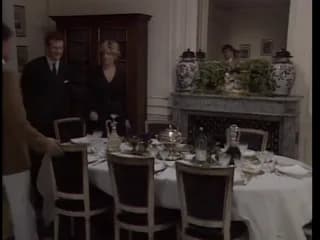
    Thursday evening. Marie-Laure knows Hubert by his ring at the door. Mes hommages, madame — he kisses Mme Belleau's hand and brings roses. Vous n'auriez pas dû ! Then hellos all round, and Mireille introduces Robert.

  3. Starts at 2:05

    3.At the table

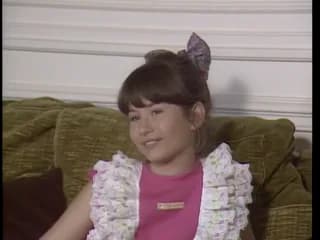
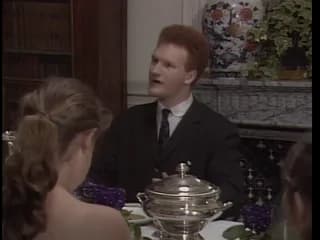
    Everyone sits down. More foie gras for Robert? Je veux bien. Marie-Laure is told to behave. Robert is surprised by Hubert's way of talking: Soyez sûr… Ayez la bonté… Veuillez avoir l'obligeance de me passer le sel.

  4. Starts at 3:07

    4.Provins or Provence?

    Hubert: good wines only in France. Robert asks about wine near Provins — no, go to Burgundy, and Robert lists the great names. Colette lives in Provins and prefers the provinces. Hubert's pun: je préfère la Provence à Provins! Colette describes her little villa — Paris in an hour at most.

  5. Starts at 4:18

    5.Rabbit hutches

    M. Belleau asks about Hubert's family building firm. His uncles only build cages à lapins — HLM, workers' housing. Today workers want every modern comfort; a hundred years ago they lived ten to a room, water from the pump… et ils n'étaient pas plus malheureux pour ça !

  6. Starts at 5:23

    6.Robert explodes

    Robert can't help it: Ça, c'est vous qui le dites ! He'd like to see Hubert living in a slum without his daily bath or his servants. Sachez que la classe ouvrière a les mêmes droits au confort… Mme Belleau smoothly changes the subject: the Carolingian manuscripts at the Petit Palais.

Show the other 8 scenes
  1. 7Good manners, bad mannersThe teacher explains: Hubert is very polite — Mes hommages goes with the baisemain. Mme Belleau cares about good manners; Marie-Laure doesn't always have them: Tiens-toi bien. Tais-toi. At the cinema too, people say Taisez-vous !Starts at 6:02
  2. 8Soyez, ayez, veuillez, sachezHubert is bien élevé — a bit affected, even. He doesn't say d'accord but Soyez sûr que…; not croyez-moi but Ayez la bonté de me croire. Veuillez, sachez: the special commands of être, avoir, vouloir, savoir. And he's chauvin: good wines only in France!Starts at 8:20
  3. 9Paris and the provincesFrance is split in two: Paris and la province — everything else. Some find the provinces dull; many prefer them: calmer, more picturesque. Hubert's pun explained, then a tour of Provins (a Roman tower) and Provence (sun, olive trees, fountains, hill villages, pétanque).Starts at 10:41
  4. 10A villa, an hour from ParisLa ville, la campagne. Colette's villa: a house with a garden, apple trees at the end, hedges, walls, a gate — on se sent chez soi. En une heure: Marie-Laure drew her picture in five minutes. Then you practise answering Robert as Colette.Starts at 13:54
  5. 11HLM and modern comfortInteresting new buildings — Beaubourg, La Défense, Bercy — but Pinot-Chambrun builds nothing interesting: only HLM, cheap flats that look like rabbit hutches. Still, they have modern comfort. In the old days: slums, oil lamps, the pump, toilets au fond de la cour. Au fond — of the mine, the sea, the glass, the room.Starts at 16:36
  6. 12They need it allToday workers need washing machines, dishwashers, fridges, bathtubs… Il leur faut tout le confort moderne. Mireille is very demanding: Il me faut un crayon ! Hubert is only playing the reactionary aristocrat. Pas plus malheureux pour ça — M. Belleau has only one car.Starts at 19:38
  7. 13He can't help itMarie-Laure wishes they were rich like Uncle Guillaume. Robert is outraged and can't stop himself from stepping in — like Marie-Laure who can't stop scratching. His speech again: the oppressors of the Middle Ages. Mme Belleau changes the subject: the Petit Palais, Charlemagne.Starts at 21:31
  8. 14Your turn — and a puppet showThe teacher asks you to speak: greet a lady, thank for the flowers, answer like Hubert, tell a child to behave. Then a picture quiz: the provinces, the country, a villa, a worker, a washbasin, running water — and Guignol lists every modern comfort. Credits.Starts at 23:34

Key phrases, with Hindi and Punjabi pronunciation

Real lines from this episode, written the way they sound in Latin letters, Devanagari and Gurmukhi.

  • Mes hommages, madame.My respects, madame.
    may-zo-MAZH, ma-DAMमे-ज़ो-माझ़, मा-दामਮੇ-ਜ਼ੋ-ਮਾਝ਼, ਮਾ-ਦਾਮ
  • Merci pour votre magnifique bouquet !Thank you for your magnificent bouquet!
    mehr-SEE poor votr man-yee-FEEK boo-KEHमैग़-सी पूग़ वोत्ग़ मान्यी-फ़ीक बू-कैਮੈਗ਼-ਸੀ ਪੂਗ਼ ਵੋਤ੍ਗ਼ ਮਾਨ੍ਯੀ-ਫ਼ੀਕ ਬੂ-ਕੈ
  • Mais vraiment, vous n'auriez pas dû !But really, you shouldn't have!
    meh vreh-MA(N), voo no-RYAY pa DÜमै व्ग़ै-माँ, वू नो-ग़्ये पा दüਮੈ ਵ੍ਗ਼ੈ-ਮਾਂ, ਵੂ ਨੋ-ਗ਼੍ਯੇ ਪਾ ਦü
  • Cher monsieur, sachez qu'il n'y a de bons vins qu'en France.Dear sir, you should know there are no good wines except in France.
    sa-SHAY keel nya duh bo(n) VA(N) ka(n) FRA(N)Sसा-शे कील न्या दअ बोँ वैं काँ फ़्ग़ाँसਸਾ-ਸ਼ੇ ਕੀਲ ਨ੍ਯਾ ਦਅ ਬੋਂ ਵੈਂ ਕਾਂ ਫ਼੍ਗ਼ਾਂਸ
  • Province pour province, moi, je préfère la Provence à Provins !If it's going to be the provinces, I prefer Provence to Provins!
    pro-VA(N)S poor pro-VA(N)S, MWA, zhuh pray-FEHR la pro-VA(N)S a pro-VA(N)प्ग़ो-वाँस पूग़ प्ग़ो-वाँस, मुआ, झ़अ प्ग़े-फ़ैग़ ला प्ग़ो-वाँस आ प्ग़ो-वैंਪ੍ਗ਼ੋ-ਵਾਂਸ ਪੂਗ਼ ਪ੍ਗ਼ੋ-ਵਾਂਸ, ਮੁਆ, ਝ਼ਅ ਪ੍ਗ਼ੇ-ਫ਼ੈਗ਼ ਲਾ ਪ੍ਗ਼ੋ-ਵਾਂਸ ਆ ਪ੍ਗ਼ੋ-ਵੈਂ

Sounds to master in this episode

French sounds explained through the Hindi and Punjabi sounds you already make, with real lines from the episode to copy.

  • The nasal an of France/ɑ̃/

    आँ (माँ वाला)ਆਂ (ਮਾਂ ਵਾਲਾ)

    Provence, province, France, en une heure, chauffage central: the nasal an — the open आँ / ਆਂ of माँ, from the back of the mouth. Workbook 33.5: divan, l'instant, un bon vent, sans fenêtre.

    • Paris, c'est Paris. Mais tout le reste, c'est la province.Paris is Paris. But everything else is the provinces.
    • C'est la campagne, et pourtant je suis à Paris en une heure, au plus.It's the country, and yet I'm in Paris in an hour at most.
  • The nasal in of vin/ɛ̃/

    ऐंਐਂ

    Provins, vin, bain, chauvin, quotidien: the nasal in — say ऐं / ਐਂ, mouth more spread. Hubert's pun only works if you hear the difference: la Provence (आँ) à Provins (ऐं). Pairs: divan / divin, un bon vent / un bon vin, sans / cinq.

    • J'aime bien Provins.I like Provins.
    • Cher monsieur, sachez qu'il n'y a de bons vins qu'en France.Dear sir, you should know there are no good wines except in France.

Grammar patterns in this episode

Each pattern comes from real lines in the episode. Here is the short version; in the course you notice it in the video first, then drill it.

  1. 1Soyez, ayez, veuillez, sachez

    Most commands are just the present without the subject: tu viens → viens, vous attendez → attendez. Four verbs are irregular: être → sois / soyez, avoir → aie / ayez, vouloir → veuille / veuillez, savoir → sache / sachez. Veuillez + infinitive is a very formal please; sachez que… = let me tell you that….

    From the episode

    Soyez sûr que je partage entièrement votre opinion, cher monsieur.

    Rest assured that I entirely share your opinion, dear sir.

    Hindi and Punjabi link

    Veuillez + verb is like putting कृपया / ਕਿਰਪਾ ਕਰਕੇ in front: Veuillez attendre ≈ कृपया प्रतीक्षा करें. You'll meet it on forms and in announcements more than in conversation.

  2. 2Il me faut… = I need

    il faut + noun = something is needed. Add an indirect pronoun to say who needs it: il me faut (I need), il te faut, il lui faut (he/she), il nous faut, il vous faut, il leur faut (they). The il is impersonal — it never changes.

    From the episode

    Il leur faut tout le confort moderne.

    They need every modern comfort.

    Hindi and Punjabi link

    Same shape as मुझे … चाहिए / ਮੈਨੂੰ … ਚਾਹੀਦਾ: the person is the to-me part, not the subject. मुझे पेंसिल चाहिए = Il me faut un crayon; उन्हें = il leur faut.

  3. 3Pas plus malheureux pour ça

    ne… pas plus + adjective + pour ça = not any (happier / unhappier) because of it — the fact makes no difference. Il a deux voitures, mais il n'est pas plus heureux pour ça. To disagree softly: pas si… que ça = not all that…: Je n'en suis pas si sûr !

    From the episode

    bidet. Et ils n'étaient pas plus malheureux pour ça !

    bidet. And they weren't any unhappier for it!

  4. 4Je ne peux pas m'en empêcher

    s'empêcher de + infinitive = to stop oneself from doing something. Usually negative: ne pas pouvoir s'empêcher de… = can't help…. The pronoun follows the person: je ne peux pas m'empêcher, tu ne peux pas t'empêcher, il ne peut pas s'empêcher, nous ne pouvons pas nous empêcher. Replace de + verb with en: Je ne peux pas m'en empêcher ! = I can't help it!

    From the episode

    Robert ne peut s'empêcher d'intervenir.

    Robert can't stop himself from stepping in.

    Hindi and Punjabi link

    Like मुझसे रहा नहीं गया / ਮੈਥੋਂ ਰਿਹਾ ਨਹੀਂ ਗਿਆ — Je n'ai pas pu m'en empêcher: I just couldn't stop myself.

Words you will meet

Each word is written the way it sounds in Devanagari and Gurmukhi.

  • mes hommagesmy respects (to a lady)मे-ज़ो-माझ़ਮੇ-ਜ਼ੋ-ਮਾਝ਼
  • vous n'auriez pas dûyou shouldn't haveवू नो-ग़्ये पा दüਵੂ ਨੋ-ਗ਼੍ਯੇ ਪਾ ਦü
  • la moindre des chosesthe least I could doला मुऐंद्ग़ दे शोज़ਲਾ ਮੁਐਂਦ੍ਗ਼ ਦੇ ਸ਼ੋਜ਼
  • tiens-toi bienbehave yourselfत्यैं-तुआ ब्यैंਤ੍ਯੈਂ-ਤੁਆ ਬ੍ਯੈਂ
  • tais-toibe quietतै-तुआਤੈ-ਤੁਆ
  • soyezbe! (formal command)सुआ-येਸੁਆ-ਯੇ
  • ayezhave! (formal command)ऐ-येਐ-ਯੇ
  • veuillezkindly… (very formal please)वअ-येਵਅ-ਯੇ
  • sachezbe aware (that)…सा-शेਸਾ-ਸ਼ੇ
  • le selm.saltलअ सैलਲਅ ਸੈਲ
  • chauvinchauvinistic (my country is best)शो-वैंਸ਼ੋ-ਵੈਂ
  • la provincef.everywhere in France outside Parisला प्ग़ो-वाँसਲਾ ਪ੍ਗ਼ੋ-ਵਾਂਸ

Plus 22 more words in the lesson, each with its pronunciation.

Practice in all four skills

Listening, speaking, reading and writing: the four skills TEF Canada and TCF Canada score. Every task is built from this episode's own lines.

  • Listening

    8 dictation lines cut from the video: hear it, type it, check every accent. Plus 6 textbook audio drills.

    A line you will write down

    Mes hommages, madame.

    My respects, madame.

  • Speaking

    Shadow 8 lines after the actors, answer 6 questions aloud, then a short role-play with Madame Belleau.

    How the role-play opens

    Bonsoir ! Entrez, entrez ! Quel plaisir de vous voir !

    Good evening! Come in, come in! What a pleasure to see you!

  • Reading

    A short story, “A dinner at the Belleaus'”, retold with this episode's words, then 5 questions on it.

    The story starts

    Jeudi soir, Hubert arrive chez les Belleau.

  • Writing

    8 fill-in sentences, 5 sentences to build and 1 short writing task with feedback.

    A writing task

    Like Colette, describe where you live in 5–7 short sentences: city or country, flat or house, garden, how long it takes to get to the centre, and what you need to feel at home.

Then a self-test of 8 questions to finish the episode, and new words go into your review deck.

Culture notes

Paris et la province

For centuries everything in France — government, universities, theatres, fashion — was concentrated in Paris. So the French split their country in two: Paris and la province, meaning everywhere else, even big cities like Lyon or Marseille. Parisians sometimes find the provinces sleepy; many French people prefer them: calmer, cheaper, closer to nature. Provins, an hour east of Paris, is a well-preserved medieval town.

Hindi and Punjabi linkA bit like the old 'Delhi vs. everywhere else' feeling — the capital thinks it's the centre of the world, the rest of the country happily disagrees.


Behind hedges, walls and gates

Colette loves her villa because on se sent chez soi, derrière les haies, les murs, la grille. French houses are usually closed off from the street by a hedge, a wall or iron railings — very different from open American front lawns. Home is private: you're invited in only once people know you well.

HLM — 'rabbit hutches'

After World War II France built huge estates of HLM (habitations à loyer modéré), low-rent public flats with all modern comforts — running water, central heating, a bathroom — which many families had never had. Hubert mocks them as cages à lapins. At the same time, Paris was building bold new landmarks: Beaubourg (the Pompidou Centre), La Défense, the Opéra Bastille, the arena at Bercy.

Who is in it

  • HubertHubert de Pinot-Chambrun — Mireille's old friend, from an aristocratic family
  • Robertthe young American — a dinner guest at the Belleaus'
  • Mireillethe elder Belleau daughter
  • ColetteMireille's friend, who lives in Provins
  • Madame BelleauMireille's mother — the hostess
  • Monsieur BelleauMireille's father
  • Marie-LaureMireille's little sister
  • Le professeurPierre Capretz, who explains the new words

Watch this episode in your free trial

Start with Episode 1 free in two taps. Add your email when you are ready and every episode, this one included, opens for 7 days. No card needed.

Start free with Episode 1

What you get

  • Warm-up, tap-to-translate captions, words & patterns, practice
  • Hindi and Punjabi pronunciation help
  • Printable watch guide, master guide, transcript, textbook, and workbook
  • New words saved to your spaced review deck

Coming up next

Episode 34 — Résidences III. More about where people live: Robert and Mireille talk houses, flats and dream homes.