French

Part 4 · Travel

Episode 31: Tous les moyens de transport V

Transportation V

  • 29 min video
  • About 80 min with practice
  • A2

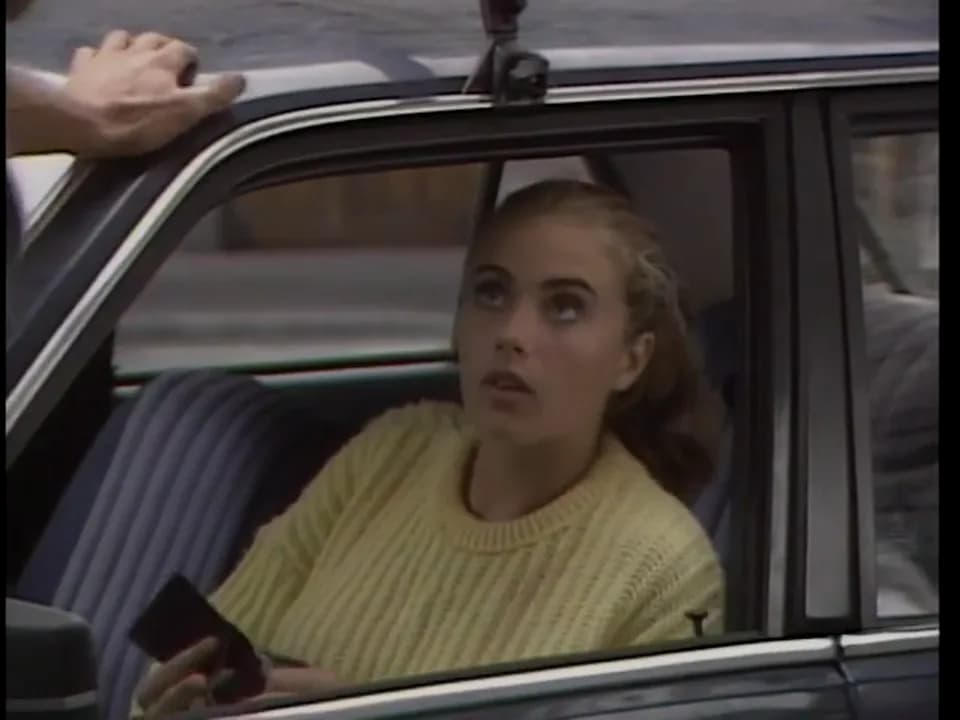
Mireille borrows a car to visit Colette in Provins. Flat battery, no brakes, no gas, a flat tire with a flat spare, rain with no wipers, no headlights, and a fender-bender. Vive le train ! Learn to explain a breakdown, ask Je vous dois combien ?, and tell someone Ne vous en faites pas.

Start with Episode 1 free in two taps. Add your email when you are ready and every episode, this one included, opens for 7 days. No card needed.

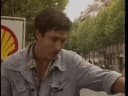
A scene from French in Action episode 31, Tous les moyens de transport V
minutes of video
29
CEFR level
A2
key words
35
grammar patterns
4

By the end you can

  • explain a breakdown: Les accus sont à plat. Je n'ai plus de freins. J'ai crevé.
  • ask what you owe: Je vous dois combien ? — and understand devoir = must: Ça doit être ça.
  • get help at a gas station: Je vous fais le plein ? — Essence ou super ? — Je vais vérifier les niveaux.
  • reassure someone: Ne vous en faites pas / Ne t'en fais pas.
  • turn down help politely: Ce n'est pas la peine.
  • say something suddenly started: Il se met à pleuvoir.
  • name the parts of a car: le capot, les phares, le clignotant, la portière, les essuie-glaces
  • hear agreement in the past: je l'ai mis / je l'ai mise, conduit / conduite

Listen out for

Five things to notice the first time you watch. Spotting them is half the lesson.

  • Count the problems: battery, brakes, gas, tire, spare, wipers, lights, an accident… How many can you name in French?
  • Ne vous en faites pas = don't worry. Everyone says it to Mireille today.
  • Je vous dois combien ? — how much do I owe you? The mechanic's answer will surprise you.
  • Robert isn't in this story much: he's somewhere in Burgundy, tasting wine.

Scene by scene

The episode in 19 short scenes, with the time each one starts in the video.

  1. Starts at 0:00

    1.What's coming

    The opening titles, then a preview in English: Mireille borrows a car, and the car gives her all kinds of trouble.

  2. Starts at 1:07

    2.Robert in Burgundy

    Robert is lost in the middle of Burgundy, 'studying' the great wines. Meanwhile Mireille goes to get Uncle Guillaume's car.

  3. Starts at 1:45

    3.The battery is flat

    Mireille turns the key: nothing. The batteries are flat. The garage man doesn't worry — he lends her a rental car that starts first time.

  4. Starts at 2:50

    4.No brakes!

    At the first red light the brakes don't work and she runs the light. She stops with the handbrake; a mechanic tops up the brake fluid and won't take any money.

  5. Starts at 4:10

    5.Out of gas

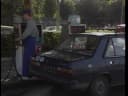
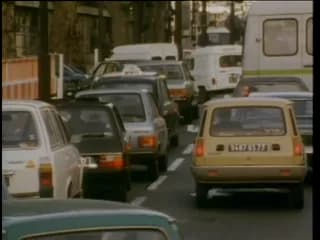
    At the Porte des Lilas the engine stalls in a traffic jam. Two hitchhikers push her to a gas station: there was no gas. The attendant fills the tank and checks the levels.

  6. Starts at 5:26

    6.A flat tire

    Near Provins the front-left tire blows out and she nearly ends up in the ditch. The spare is flat too! A cyclist promises to send a tow truck. Mireille waits, pulling petals off daisies.

Show the other 13 scenes
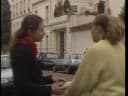
  1. 7Rain, no wipers, no lightsThe tires are repaired. A hundred meters later it starts to rain — the wipers don't work. She arrives soaked at Colette's. They test the headlights: nothing.Starts at 7:20
  2. 8The fender-benderBack at the Porte des Lilas a cyclist skids. She swerves, signals too late and clips another car: a dented fender and a scratch on the door.Starts at 8:51
  3. 9Where is Robert?Around 11 p.m. Mireille phones Robert's hotel. His key is there: he hasn't come back. He's in Burgundy, singing.Starts at 9:27
  4. 10Words: flat, don't worry, first timeThe professor explains s'amener comme une fleur, mettre le contact, à plat, ne vous faites pas de bile and au quart de tour.Starts at 10:15
  5. 11Words: red lights, owing, payingRed lights, brakes with aucun effet, brûler un feu rouge, the verbs devoir and payer, prudent, and pousser.Starts at 12:50
  6. 12Words: gas, levels, flat tire, ditchEssence ou super, checking the levels, crever, l'avant / l'arrière, and manquer de… / avoir failli.Starts at 15:06
  7. 13Your turn: answer the cyclistYou hear Mireille and the cyclist, then you answer him yourself, as Mireille.Starts at 17:02
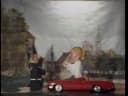
  8. 14A TV ad: the repairmanA 1980s ad: a family waits anxiously while a repairman 'treats' their sick TV — on a Sunday. Darty repairs seven days a week.Starts at 18:15
  9. 15Daisies, rain and the car doorPulling petals off daisies, réparer / repartir, se mettre à pleuvoir, une porte / une portière / un portail, and trempée.Starts at 19:17
  10. 16Headlights, hunches and skidsLes phares, je m'en doutais (Marie-Laure's chocolates!), déraper, un coup de volant, un accrochage, une aile enfoncée.Starts at 21:56
  11. 17His key is thereIf Robert's key is at the desk, he isn't in his room. He's in Burgundy, tasting the great wines — and singing that he's a proud Burgundian.Starts at 23:30
  12. 18Questions for youThe professor asks questions about the story. Try to answer before he does.Starts at 24:29
  13. 19The gendarme sketchA gendarme stops Mireille for running a red light. Her excuse: her dad, who works at Renault, says cars are made for going, not stopping!Starts at 25:52

Key phrases, with Hindi and Punjabi pronunciation

Real lines from this episode, written the way they sound in Latin letters, Devanagari and Gurmukhi.

  • Celle-là démarre au quart de tour.This one starts first time.
    sel-LA day-MAR o KAR duh TOORसैल-ला दे-माग़ ओ काग़ दअ तूग़ਸੈਲ-ਲਾ ਦੇ-ਮਾਗ਼ ਓ ਕਾਗ਼ ਦਅ ਤੂਗ਼
  • Je n'ai plus de freins, j'ai été obligée de brûler un feu rouge.I have no brakes left — I had to run a red light.
    zhuh nay PLÜ duh FRA(N)… brü-LAY a(n) fuh ROOZHझ़अ ने प्लü दअ फ़्ग़ैँ… ब्ग़ü-ले अँ फ़अ ग़ूझ़ਝ਼ਅ ਨੇ ਪ੍ਲü ਦਅ ਫ਼੍ਗ਼ੈਂ… ਬ੍ਗ਼ü-ਲੇ ਅੰ ਫ਼ਅ ਗ਼ੂਝ਼
  • Je vous dois combien ?How much do I owe you?
    zhuh voo DWA ko(n)-BYA(N)झ़अ वू दुआ कोँ-ब्याँਝ਼ਅ ਵੂ ਦੁਆ ਕੋਂ-ਬ੍ਯਾਂ
  • Mais ça doit être ça. Je vous fais le plein ?Well, that must be it. Shall I fill it up?
    sa dwa-TETR SA. zhuh voo FAY luh PLA(N)सा दुआ-तैत्ग़ सा। झ़अ वू फ़े लअ प्लैँਸਾ ਦੁਆ-ਤੈਤ੍ਗ਼ ਸਾ। ਝ਼ਅ ਵੂ ਫ਼ੇ ਲਅ ਪ੍ਲੈਂ
  • Ce n'est pas la peine, ma roue de secours est à plat.No point — my spare wheel is flat.
    suh nay PA la PEN, ma ROO duh suh-KOOR ay ta PLAसअ ने पा ला पैन, मा ग़ू दअ सअ-कूग़ ए ता प्लाਸਅ ਨੇ ਪਾ ਲਾ ਪੈਨ, ਮਾ ਗ਼ੂ ਦਅ ਸਅ-ਕੂਗ਼ ਏ ਤਾ ਪ੍ਲਾ

Sounds to master in this episode

French sounds explained through the Hindi and Punjabi sounds you already make, with real lines from the episode to copy.

  • The eu of deux/ø/

    ए + ओ के होंठਏ + ਓ ਦੇ ਬੁੱਲ੍ਹ

    The closed eu of pneu, feu, deux, peu: lips rounded and pushed forward as for oo, tongue as for ay. Today's words: le pneu avant gauche, un feu rouge, pleuvoir.

    • Le pneu avant gauche crève.The front left tire blows out.
    • Il ne faut pas brûler les feux rouges.You mustn't run red lights.
  • The open eu of sœur/œ/

    ऐ + गोल होंठਐ + ਗੋਲ ਬੁੱਲ੍ਹ

    The open eu of dépanneur, moteur, fleur, sœur: mouth more open than in feu, usually before a pronounced consonant (-eur). Compare un feu (closed) with une fleur (open).

    • Ne vous en faites pas, je vais vous envoyer un dépanneur.Don't worry, I'll send you a tow truck.
    • Elle s'amène au garage comme une fleur.She strolls into the garage without a care in the world.

Grammar patterns in this episode

Each pattern comes from real lines in the episode. Here is the short version; in the course you notice it in the video first, then drill it.

  1. 1Je vous dois combien ? — devoir and payer

    devoir = to owe: Je vous dois combien ? — and also must / has to be: Ça doit être ça (that must be it), Il doit être dans sa chambre. payer = to pay: je paie, nous payons (the y turns into i before a silent ending). faire payer quelqu'un = to charge someone.

    From the episode

    Je vous dois combien ?

    How much do I owe you?

    Hindi and Punjabi link

    Same idea as मुझे कितने देने हैं? / ਮੈਂ ਕਿੰਨੇ ਦੇਣੇ ਨੇ? — French says I owe you how much?: Je vous dois combien ?

  2. 2Ne vous en faites pas — don't worry

    s'en faire = to worry. It keeps its two pronouns together: je ne m'en fais pas, ne t'en fais pas, ne vous en faites pas. Same meaning, more colorful: se faire de la bile → Ne vous faites pas de bile.

    From the episode

    Dans la vie, faut pas s'en faire, moi, je ne m'en fais pas !

    In life, you mustn't worry — me, I don't worry!

    Hindi and Punjabi link

    Ne vous en faites pas = फ़िक्र मत कीजिए / ਫ਼ਿਕਰ ਨਾ ਕਰੋ; Ne t'en fais pas = फ़िक्र मत कर. Same tu/vous split as तू/आप.

  3. 3Il se met à pleuvoir — starting to do something

    se mettre à + infinitive = to start doing (often suddenly): Il se met à pleuvoir. It's reflexive, so the pronoun changes with the person: je me mets à, tu te mets à… In the passé composé it takes être: Elle s'est mise à effeuiller des marguerites.

    From the episode

    Il se met à pleuvoir.

    It starts to rain.

    Hindi and Punjabi link

    Hindi/Punjabi do it with लगना / ਲੱਗਣਾ: बारिश होने लगी / ਮੀਂਹ ਪੈਣ ਲੱਗ ਪਿਆ = Il s'est mis à pleuvoir.

  4. 4Mis, mise; ouvert, ouverte — past participles you can hear

    Many past participles end in -i (fini, sorti, failli), -is (mis, pris, permis), -it (dit, fait, conduit, écrit) or -rt (ouvert, offert, mort). When they agree with a feminine word, the hidden s / t is heard: Tu as conduit l'Alpine ? — Oui, je l'ai conduite. (With avoir, agreement happens when the object comes before: l', la.)

    From the episode

    mais elle a failli.

    but she almost did.

Words you will meet

Each word is written the way it sounds in Devanagari and Gurmukhi.

  • mettre le contactto turn on the ignitionमैत्ग़ लअ कोँ-ताक्तਮੈਤ੍ਗ਼ ਲਅ ਕੋਂ-ਤਾਕ੍ਤ
  • les accusm.the (car) batteryले ज़ा-küਲੇ ਜ਼ਾ-kü
  • à platflat (battery, tire)आ प्लाਆ ਪ੍ਲਾ
  • au quart de tourfirst time, instantly (of an engine)ओ काग़ दअ तूग़ਓ ਕਾਗ਼ ਦਅ ਤੂਗ਼
  • une voiture de locationf.a rental carवुआ-tür दअ लो-का-स्योँਵੁਆ-tür ਦਅ ਲੋ-ਕਾ-ਸ੍ਯੋਂ
  • le frein à mainm.the handbrakeलअ फ़्ग़ैँ आ मैँਲਅ ਫ਼੍ਗ਼ੈਂ ਆ ਮੈਂ
  • brûler un feu rougeto run a red lightब्ग़ü-ले अँ फ़अ ग़ूझ़ਬ੍ਗ਼ü-ਲੇ ਅੰ ਫ਼ਅ ਗ਼ੂਝ਼
  • le capotm.the hood (of a car)लअ का-पोਲਅ ਕਾ-ਪੋ
  • une gouttef.a dropün गूतün ਗੂਤ
  • Je vous dois combien ?How much do I owe you?झ़अ वू दुआ कोँ-ब्याँਝ਼ਅ ਵੂ ਦੁਆ ਕੋਂ-ਬ੍ਯਾਂ
  • Soyez prudent(e).Be careful.सुआ-ये prü-दाँतਸੁਆ-ਯੇ prü-ਦਾਂਤ
  • un embouteillagem.a traffic jamअँ-नाँ-बू-ते-याझ़ਅੰ-ਨਾਂ-ਬੂ-ਤੇ-ਯਾਝ਼

Plus 23 more words in the lesson, each with its pronunciation.

Practice in all four skills

Listening, speaking, reading and writing: the four skills TEF Canada and TCF Canada score. Every task is built from this episode's own lines.

  • Listening

    8 dictation lines cut from the video: hear it, type it, check every accent. Plus 4 textbook audio drills.

    A line you will write down

    Elle met le contact.

    She turns the ignition key.

  • Speaking

    Shadow 8 lines after the actors, answer 6 questions aloud, then a short role-play with Le garagiste.

    How the role-play opens

    Bonjour ! Vous êtes en panne, là ?

    Hello! Broken down, have you?

  • Reading

    A short story, “La journée de Mireille”, retold with this episode's words, then 6 questions on it.

    The story starts

    Mireille va chercher la voiture de Tonton Guillaume au garage.

  • Writing

    8 fill-in sentences, 6 sentences to build and 2 short writing tasks with feedback.

    A writing task

    Your car has broken down near a garage. Write what you tell the mechanic: what happened, what doesn't work, and at the end ask how much you owe.

Then a self-test of 7 questions to finish the episode, and new words go into your review deck.

Culture notes

Darty and the 'contrat de confiance'

The ad in this episode is real: Darty, a French chain selling TVs and appliances, became famous in the 1970s–80s for its contrat de confiance (trust contract) — lowest price, and dépannage (repairs) sept jours sur sept, even on Sunday. Here the sick 'patient' is the family TV, and the repairman is the doctor.

Hindi and Punjabi linkLike calling the company's service engineer at home — except here he comes on a Sunday, the same day.


He loves me, he loves me not

To find out if someone loves you, you pull the petals off a daisy (effeuiller la marguerite), one per word: Il m'aime… un peu, beaucoup, passionnément, à la folie, pas du tout. Five answers, not two! Mireille uses the same rhythm to guess when the tow truck will come.

Burgundy's great wines

La Bourgogne (Burgundy), south-east of Paris, is famous for its wine villages: Aloxe-Corton, Nuits-Saint-Georges, Gevrey-Chambertin. Un grand cru is a top-rated vineyard and its wine. A person from Burgundy is un Bourguignon — and fier d'être Bourguignon is a well-known drinking song.

Who is in it

  • Mireilleborrows a car to visit Colette in Provins — and everything goes wrong
  • Le garagisteTonton Guillaume's garage man — never worries
  • Le mécanicienfixes her brakes for free
  • Le pompistethe gas-station attendant
  • Le cyclistestops to help on the road to Provins
  • ColetteMireille's friend in Provins
  • Le gendarmein the closing sketch
  • Le professeurPierre Capretz, who explains the new words

Watch this episode in your free trial

Start with Episode 1 free in two taps. Add your email when you are ready and every episode, this one included, opens for 7 days. No card needed.

Start free with Episode 1

What you get

  • Warm-up, tap-to-translate captions, words & patterns, practice
  • Hindi and Punjabi pronunciation help
  • Printable watch guide, master guide, transcript, textbook, and workbook
  • New words saved to your spaced review deck

Coming up next

Episode 32 — Résidences I. After a day like that, back to solid ground: where and how the French live.