French

Part 4 · Travel

Episode 29: Tous les moyens de transport III

Transportation III

  • 29 min video
  • About 80 min with practice
  • A2

Back from Chartres on a packed train: no seats, people serrés comme des sardines — Si j'avais su, je serais resté chez moi ! Mireille dreams of an Alpine Renault (Ça, c'est de la bagnole !), admits she hitchhikes (Ça m'est arrivé), turns down a bateau-mouche dinner and hops on a bus. Jealous Robert takes a taxi and searches every café in Saint-Germain… for nothing.

Start with Episode 1 free in two taps. Add your email when you are ready and every episode, this one included, opens for 7 days. No card needed.

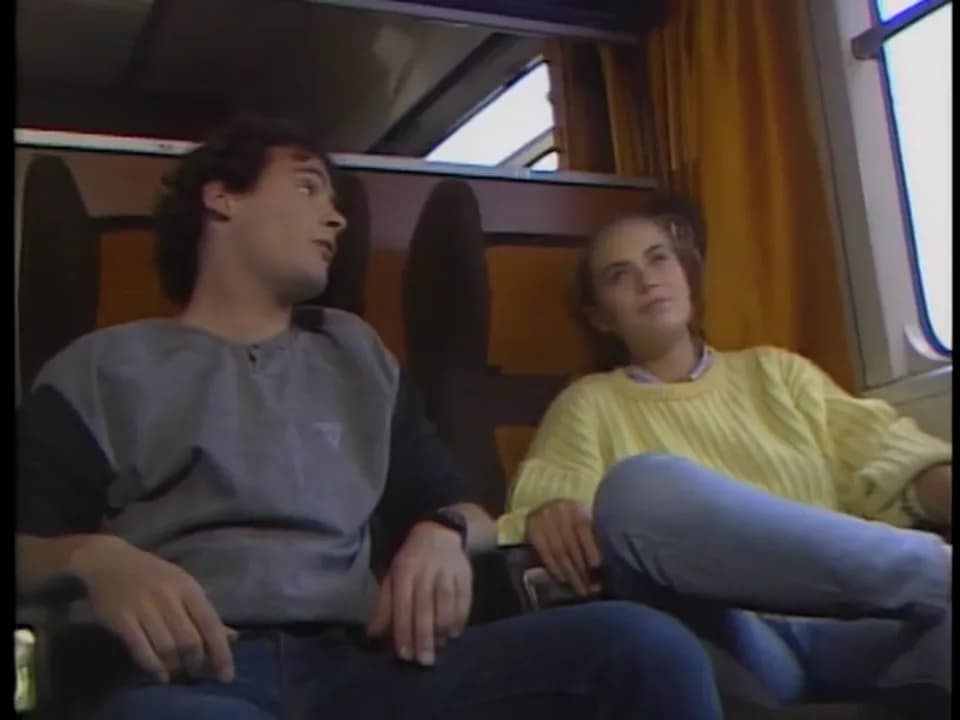
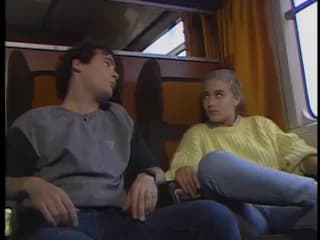
A scene from French in Action episode 29, Tous les moyens de transport III
minutes of video
29
CEFR level
A2
key words
35
grammar patterns
5

By the end you can

  • complain about a crowded train: Toutes les places sont prises ! Les gens sont serrés comme des sardines !
  • say what you regret: Si j'avais su, je serais resté chez moi.
  • rave about a car: Ça, c'est de la bagnole ! Ça freine bien, ça ne consomme presque rien.
  • say you've done something now and then: Tu fais de l'auto-stop ? — Ça m'est arrivé.
  • say how long something took: J'ai mis huit heures.
  • suggest a plan: Si on allait dîner sur un bateau-mouche ? Ce serait bien !
  • predict, then gloat: Ça ne m'étonnerait pas si… — Qu'est-ce que je disais ! Je ne me trompe jamais.

Listen out for

Five things to notice the first time you watch. Spotting them is half the lesson.

  • The crowded corridor: listen for bondé, toutes les places sont prises and serrés comme des sardines.
  • The man in black behind his newspaper — he's been following Robert and Mireille since Chartres.
  • Mireille's car talk: reprises foudroyantes, tenue de route, freinage impeccable — she sounds like a car ad!
  • Robert's jealous face when Mireille says une amie — and his sarcastic Ton chauffeur ne t'attend pas ?
  • The list of famous cafés: le Flore, les Deux Magots, Lipp, le Procope… — Paris's literary Left Bank.

Scene by scene

The episode in 14 short scenes, with the time each one starts in the video.

  1. Starts at 0:00

    1.Back to Paris

    The English introduction: Robert and Mireille take a crowded train back to Paris and share a compartment with a mysterious man in black. Tonight Mireille visits a friend in Saint-Germain; tomorrow she's off to Provins. Jealous Robert spends hours looking for her.

  2. Starts at 1:50

    2.A packed train

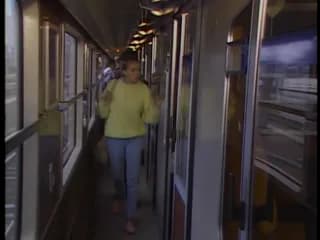
    Robert grumbles: the train is packed, every seat is taken, people are squeezed like sardines. If he'd known, he'd have stayed home — or rented a car. Mireille finds a compartment that's empty… well, almost: a man in black sits in the corner behind a newspaper.

  3. Starts at 2:43

    3.Mireille's dream car

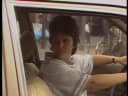
    Mireille likes the SNCF, but she'd love a little convertible with a big trunk — or better, an Alpine Renault: fast, great road-holding, perfect brakes, hardly uses any petrol. She knows cars: her father works at Renault. But she'd just as soon hitchhike — she once went from Paris to Geneva in eight hours.

  4. Starts at 4:26

    4.Montparnasse: no dinner, a bus

    At Montparnasse station Robert suggests dinner on a bateau-mouche. 'That's for American tourists!' — and anyway she isn't free tonight: she's visiting a friend on the boulevard Saint-Germain. Robert is sarcastic about her chauffeur. Thursday dinner is on, but tomorrow she's going to Provins.

  5. Starts at 5:52

    5.Jealous in Saint-Germain

    Alone on the pavement, Robert imagines the 'friend' is a muscular Swede in sky-blue shorts. He hails a taxi; the driver suggests the Café de Flore. No Mireille there — nor at the Deux Magots, Lipp, the Drugstore, the Procope… Where can she be?

  6. Starts at 7:20

    6.Full or free?

    The professor replays the train: compartments packed, all seats taken — versus free seats. A carriage has a corridor and compartments. Robert isn't happy; Mireille, in another clip, isn't either: Non, mais c'est pas vrai !

Show the other 8 scenes
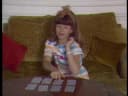
  1. 7If I had known…Robert grumbles and regrets coming: Si j'avais su, je serais resté chez moi. Marie-Laure, outraged after an hour of homework, would have watched TV. Mireille is always right — and so is Marie-Laure at cards: Je ne me trompe jamais ! Then: empty and full.Starts at 9:20
  2. 8Everyone likes the SNCFWhy everyone likes French trains: convenient, comfortable, punctual and fast. A long stretch of train pictures without subtitles — then suitcases: a couple with two children and one suitcase.Starts at 10:40
  3. 9Now that's a car!The Alpine explained: fast, responsive, lightning acceleration, holds the road, drive it with your little finger, 140 all day without overheating, perfect brakes, about seven litres per hundred. Mireille seems to know her stuff — naturally: her father is an engineer at Renault.Starts at 14:10
  4. 10HitchhikingMireille has no car, but she likes hitchhiking: all the advantages of a car without the drawbacks. Advantages and drawbacks of cars. Ça m'est arrivé — she's done it, not often. Marie-Laure has had ten out of ten… and zero. A passer-by hitchhikes very rarely.Starts at 17:10
  5. 11Bateau-mouche and a chauffeurWhat a bateau-mouche is: a boat going up and down the Seine; you can dine on the big ones and see the monuments lit up. Mireille isn't free; she checks the bus route. Robert's sarcastic chauffeur line — Mireille plays along: James, je n'ai pas besoin de vous ce soir.Starts at 19:22
  6. 12Suspicious RobertRobert gets more and more suspicious: Ça ne m'étonnerait pas si… Marie-Laure guesses a box holds chocolates — and she's right. Then the taxi, the vague boulevard Saint-Germain, and a tour of famous cafés: Flore, Deux Magots, Lipp, Procope, Tabou. No Mireille anywhere.Starts at 21:20
  7. 13Your turnQuestions to answer aloud: free or taken seats? corridor or compartment? hitchhiking or train? hovercraft or bateau-mouche? Then say it: Ça ne m'étonnerait pas…, Si j'avais su…, C'est pas vrai !, Qu'est-ce que je disais !Starts at 24:05
  8. 14Guignol and the mouseA puppet show: Guignol spots a mouse — Qu'est-ce que je disais ! He's terrified of mice… c'est de naissance ! Then the credits.Starts at 26:16

Key phrases, with Hindi and Punjabi pronunciation

Real lines from this episode, written the way they sound in Latin letters, Devanagari and Gurmukhi.

  • Toutes les places sont prises.All the seats are taken.
    toot lay PLAS so(n) PREEZतूत ले प्लास सोँ प्ग़ीज़ਤੂਤ ਲੇ ਪ੍ਲਾਸ ਸੋਂ ਪ੍ਗ਼ੀਜ਼
  • Si j'avais su, je serais resté chez moi.If I'd known, I'd have stayed home.
    see zha-veh SÜ, zhuh suh-reh res-TAY shay MWAसी झ़ा-वै सü, झ़अ सअ-ग़ै ग़ैस-ते शे मुआਸੀ ਝ਼ਾ-ਵੈ ਸü, ਝ਼ਅ ਸਅ-ਗ਼ੈ ਗ਼ੈਸ-ਤੇ ਸ਼ੇ ਮੁਆ
  • Ça, c'est de la bagnole !Now that's a real car!
    SA, seh duh la ba-NYOLसा, सै दअ ला बा-न्योलਸਾ, ਸੈ ਦਅ ਲਾ ਬਾ-ਨ੍ਯੋਲ
  • Oui, ça m'est arrivé.Yes, I've done it (it's happened).
    wee, sa meh-ta-ree-VAYवी, सा मै-ता-ग़ी-वेਵੀ, ਸਾ ਮੈ-ਤਾ-ਗ਼ੀ-ਵੇ
  • Si on allait dîner sur un bateau-mouche ?How about going to dinner on a sightseeing boat?
    see o(n)-na-LEH dee-NAY sür a(n) ba-toh-MOOSHसी ओँ-ना-लै दी-ने सüग़ अँ बा-तो-मूशਸੀ ਓਂ-ਨਾ-ਲੈ ਦੀ-ਨੇ ਸüਗ਼ ਅੰ ਬਾ-ਤੋ-ਮੂਸ਼

Sounds to master in this episode

French sounds explained through the Hindi and Punjabi sounds you already make, with real lines from the episode to copy.

  • Soft P T K (no puff)/p t k/

    प त क (फ थ ख नहीं)ਪ ਤ ਕ (ਫ ਥ ਖ ਨਹੀਂ)

    Workbook 29.5: French consonants sit further forward in the mouth. For t, the tip of the tongue touches the back of the upper teeth — the dental त of Hindi/Punjabi, not the English t on the ridge (and never ट). No puff of air: taxi, touriste, disque, short.

    • Taxi !Taxi!
    • C'est un truc pour les touristes américains, ça !That's a thing for American tourists!
  • The oi of moi/wa/

    वा (वुआ)ਵਾ (ਵੁਆ)

    oi is always wa (उआ / ਉਆ): voiture, toit, trottoir, couloir, doigt (the g and t are silent). Keep it short and bright.

    • Ça se conduit avec le petit doigt.You can drive it with your little finger.
    • ou au moins avec un toit ouvrant.or at least with a sunroof.

Grammar patterns in this episode

Each pattern comes from real lines in the episode. Here is the short version; in the course you notice it in the video first, then drill it.

  1. 1Si j'avais su… — I would have

    To imagine a different past, French uses two compound tenses. The if part: si + imperfect of avoir/être + past participle (si j'avais su = if I had known). The result: conditional of avoir/être + past participle — the past conditional: j'aurais loué (I would have rented), je serais resté (I would have stayed). Choose avoir or être exactly as in the passé composé: j'ai loué → j'aurais loué, je suis resté → je serais resté.

    From the episode

    Si j'avais su, je serais resté chez moi…

    If I'd known, I'd have stayed home…

    Hindi and Punjabi link

    Hindi builds regret the same way: अगर मुझे पता होता, तो मैं घर पर रहता / ਜੇ ਮੈਨੂੰ ਪਤਾ ਹੁੰਦਾ, ਤਾਂ ਮੈਂ ਘਰ ਰਹਿੰਦਾ — si j'avais su = अगर पता होता, je serais resté = रहता. Two halves, both about a past that didn't happen.

  2. 2Si on allait…? — si + imperfect

    si + imperfect on its own is a friendly suggestion: Si on allait au cinéma ? = How about going to the movies? (No would needed.) With a second half, it's a dream about now: si + imperfect → conditional — Si j'avais de l'argent, j'achèterais une Alpine. Si je n'avais pas ce mémoire, on pourrait aller au cinéma. The conditional = future stem + imperfect endings: ce serait, j'aimerais, on pourrait, ça m'étonnerait.

    From the episode

    Si on allait dîner sur un bateau-mouche ?

    How about going to dinner on a sightseeing boat?

    Hindi and Punjabi link

    Si on allait…? works like Hindi चलो, … चलें? / ਚਲੋ, … ਚੱਲੀਏ? — a soft shall we? that leaves room to say no. Mireille does: Penses-tu !

  3. 3Ça m'est arrivé — it happens (to me)

    arriver also means to happen. The subject is ça; the person it happens to is an indirect pronoun me, te, lui, nous, vous, leur: Ça m'arrive (it happens to me — I do it sometimes), ça lui est arrivé (it's happened to her). Present for now and then: Ça m'arrive. Passé composé (with être) for it has happened: Ça m'est arrivé. Never: Ça ne m'est jamais arrivé.

    From the episode

    Tu fais de l'auto-stop ?

    You hitchhike?

    Hindi and Punjabi link

    Same shape as Hindi मेरे साथ ऐसा हुआ है / ਮੇਰੇ ਨਾਲ ਇਹ ਹੋਇਆ ਹੈ — the event is the subject, and me is who it happened to. Ça m'est arrivé = हुआ है मेरे साथ.

  4. 4J'ai mis huit heures — how long it took

    To say how long something takes you, French uses mettre (to put) + the time, with you as subject: J'ai mis huit heures = it took me eight hours. Add pour + infinitive for the task: J'ai mis une heure pour faire ce devoir. Present: Je mets dix minutes pour aller à la fac. Past: j'ai mis, elle a mis, nous avons mis, ils ont mis.

    From the episode

    J'ai mis huit heures.

    It took me eight hours.

    Hindi and Punjabi link

    Hindi says मुझे आठ घंटे लगे / ਮੈਨੂੰ ਅੱਠ ਘੰਟੇ ਲੱਗੇ — the time attaches to you. French makes you the one who puts in the time: J'ai mis huit heures.

  5. 5Qu'est-ce que je disais ! — predict and gloat

    Before (predicting): Ça ne m'étonnerait pas si… (+ imperfect) — I wouldn't be surprised if…; Tu verras que…; Je parie que… After (gloating): Qu'est-ce que je disais ! / Qu'est-ce que je te disais ! — What did I tell you! — Je l'avais dit !, J'avais deviné !, Je ne me trompe jamais ! (and the modest add-on: Enfin, presque jamais.)

    From the episode

    Hum, ça ne m'étonnerait pas si c'était des chocolats.

    Hm, it wouldn't surprise me if it was chocolates.

    Hindi and Punjabi link

    Qu'est-ce que je disais ! is the French मैंने कहा था ना! / ਮੈਂ ਕਿਹਾ ਸੀ ਨਾ! — same smug little smile.

Words you will meet

Each word is written the way it sounds in Devanagari and Gurmukhi.

  • bondépacked, crammedबोँ-देਬੋਂ-ਦੇ
  • une placef.a seatüन प्लासüਨ ਪ੍ਲਾਸ
  • pris, prisetaken (seat)प्ग़ी, प्ग़ीज़ਪ੍ਗ਼ੀ, ਪ੍ਗ਼ੀਜ਼
  • librefree, not takenलीब्ग़ਲੀਬ੍ਗ਼
  • le compartimentm.compartmentलअ कोँ-पाग़-ती-माँਲਅ ਕੋਂ-ਪਾਗ਼-ਤੀ-ਮਾਂ
  • le couloirm.corridor, hallwayलअ कू-लुआग़ਲਅ ਕੂ-ਲੁਆਗ਼
  • videemptyवीदਵੀਦ
  • plein, pleinefullप्लैं, प्लैनਪ੍ਲੈਂ, ਪ੍ਲੈਨ
  • serrés comme des sardinespacked like sardinesसै-ग़े कोम दे साग़-दीनਸੈ-ਗ਼ੇ ਕੋਮ ਦੇ ਸਾਗ਼-ਦੀਨ
  • une décapotablef.a convertible (car)üन दे-का-पो-ताब्लüਨ ਦੇ-ਕਾ-ਪੋ-ਤਾਬ੍ਲ
  • un toit ouvrantm.a sunroofअँ तुआ ऊ-व्ग़ाँਅੰ ਤੁਆ ਊ-ਵ੍ਗ਼ਾਂ
  • le coffrem.the trunk (of a car)लअ कोफ़्ग़ਲਅ ਕੋਫ਼੍ਗ਼

Plus 23 more words in the lesson, each with its pronunciation.

Practice in all four skills

Listening, speaking, reading and writing: the four skills TEF Canada and TCF Canada score. Every task is built from this episode's own lines.

  • Listening

    8 dictation lines cut from the video: hear it, type it, check every accent. Plus 5 textbook audio drills.

    A line you will write down

    Les gens sont serrés comme des sardines !

    People are packed like sardines!

  • Speaking

    Shadow 8 lines after the actors, answer 6 questions aloud, then a short role-play with Mireille.

    How the role-play opens

    Tiens, qu'est-ce que je te disais ? Ce compartiment est vide… enfin, presque vide.

    There, what did I tell you? This compartment is empty… well, almost empty.

  • Reading

    A short story, “From Chartres to Saint-Germain”, retold with this episode's words, then 5 questions on it.

    The story starts

    Robert et Mireille rentrent de Chartres en train.

  • Writing

    8 fill-in sentences, 5 sentences to build and 2 short writing tasks with feedback.

    A writing task

    You're on a packed train, like Robert. Write 4–6 lines to a friend: complain, say what you'd have done if you'd known, and end on an optimistic note like Mireille.

Then a self-test of 7 questions to finish the episode, and new words go into your review deck.

Culture notes

La SNCF

The Société nationale des chemins de fer français runs France's trains. In the 1980s a carriage (un wagon, une voiture) had a couloir along one side and compartiments of six or eight seats — perfect for meeting a mysterious man in black. French trains are known for being commodes, confortables, ponctuels et rapides — the TGV had just started running in 1981.

Hindi and Punjabi linkLike Indian Railways' old compartment coaches — and the same rush: bondé is a Friday-evening train out of Delhi.


Litres aux cent

French drivers measure fuel use as litres per 100 km: sept litres aux cent means 7 L for 100 km. Lower is better. The Alpine at six litres et demi aux cent would be very thrifty for a sports car — Mireille is showing off. And speed is in km/h: du 140 à l'heure ≈ 87 mph.

Hindi and Punjabi linkIndia asks the opposite question — माइलेज कितना है? in km per litre. 100 ÷ 6.5 ≈ 15 km/l.

Les bateaux-mouches

Big glass-sided tour boats that go up and down the Seine. On the large ones you can have dinner and watch the floodlit monuments slide past — Notre-Dame, the Louvre, the Eiffel Tower. Lovely, says the professor, but un truc pour touristes. That's exactly why Mireille says no.

Hindi and Punjabi linkThink of a dinner cruise in Mumbai harbour or Goa's Mandovi — romantic, and full of tourists.

Who is in it

  • Robertthe young American — grumpy on the train, jealous in Paris
  • Mireilleknows her cars — but prefers to hitchhike
  • L'homme en noirthe mysterious passenger behind the newspaper
  • Le chauffeur de taxia woman taxi driver in Paris
  • Marie-LaureMireille's little sister, in the examples

Watch this episode in your free trial

Start with Episode 1 free in two taps. Add your email when you are ready and every episode, this one included, opens for 7 days. No card needed.

Start free with Episode 1

What you get

  • Warm-up, tap-to-translate captions, words & patterns, practice
  • Hindi and Punjabi pronunciation help
  • Printable watch guide, master guide, transcript, textbook, and workbook
  • New words saved to your spaced review deck

Coming up next

Episode 30 — Tous les moyens de transport IV. Mireille's day in Provins — and Robert's restless wait.