

French

Part 3 · Lifestyle

Episode 23: Se déplacer II

Getting Around II

  • 29 min video
  • About 80 min with practice
  • A2

Robert is invited to dinner at the Courtois' — but will Mireille be there? Je verrai, she says. Two days of wondering, a métro disaster and a wrong door later… Learn the future (tout ira bien, elle sera là), how to worry and reassure (Ne vous en faites pas !), and tomber sur, avoir du mal à, se tromper de.

Start with Episode 1 free in two taps. Add your email when you are ready and every episode, this one included, opens for 7 days. No card needed.

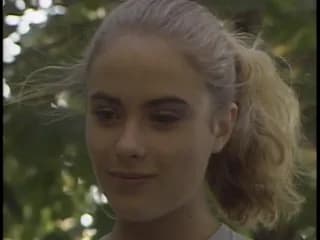
A scene from French in Action episode 23, Se déplacer II
minutes of video
29
CEFR level
A2
key words
34
grammar patterns
5

By the end you can

  • talk about the future in one word: je serai, tout ira bien, vous verrez, ça finira mal
  • reassure someone: Ne vous en faites pas ! Ne vous inquiétez pas ! Tout s'arrangera.
  • say you wonder: Je me demande si elle sera là.
  • say you had trouble: J'ai eu du mal à la comprendre.
  • say you met someone by chance: Je suis tombé sur une dame…
  • say it depends: Ça dépend du temps. Ça ne dépend pas de moi.
  • apologize for a mistake and answer: Je suis désolé de vous avoir dérangé. — Il n'y a pas de mal.

Listen out for

Five things to notice the first time you watch. Spotting them is half the lesson.

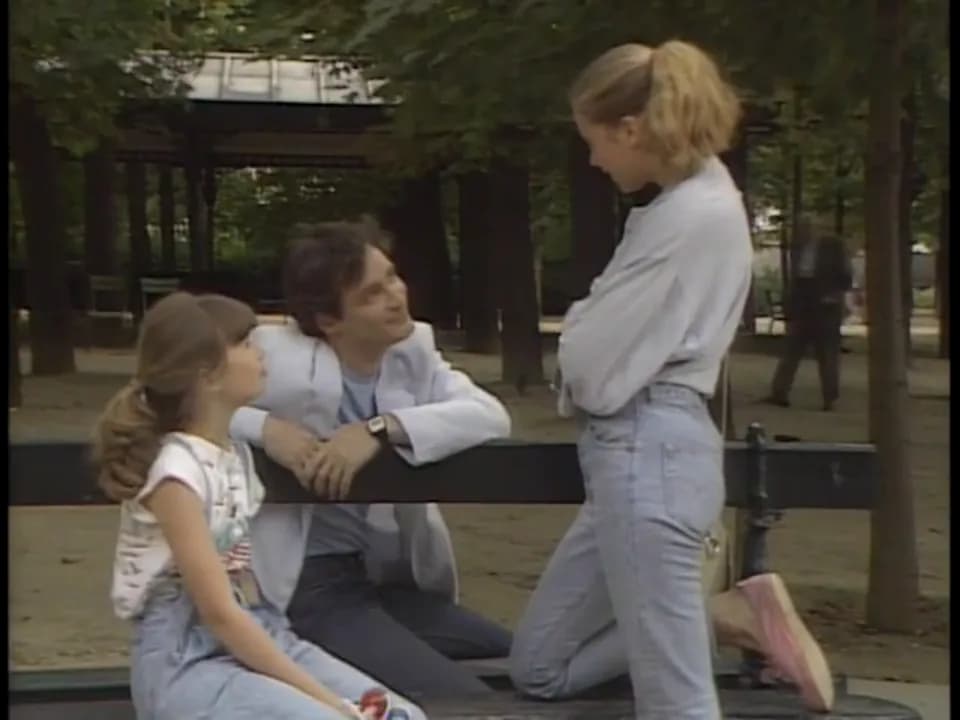
  • Robert, Mireille and Marie-Laure on a bench in the Luxembourg — and Marie-Laure's gumdrops.
  • The two Courtois as Mireille paints them: he never worries, she always does.
  • The Louvre: a statue with no head, one with no arms, and a famous smile.
  • Robert's métro disaster: the Arc de Triomphe, La Défense, Montmartre… and a wrong door.
  • Little words that point to the future: sera, ira, verrez, s'arrangera, finira.

Scene by scene

The episode in 19 short scenes, with the time each one starts in the video.

  1. Starts at 0:00

    1.Getting around, part two

    The short English intro: Robert has a dinner invitation at the Courtois'. He wants Mireille to get herself invited too — she won't promise — and on the big day he gets hopelessly lost.

  2. Starts at 1:08

    2.Robert's phone calls

    In the Luxembourg Garden, Robert tells Mireille about phoning the Courtois. First he got the maid with a strange accent, then Mme Courtois — who talks so fast he couldn't get a word in. Her cat Minouche is ill, but she has invited him to dinner the day after tomorrow.

  3. Starts at 2:22

    3.Portrait of the Courtois

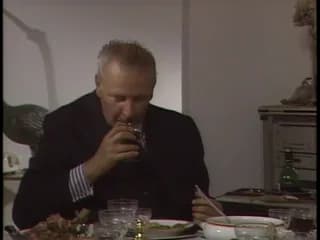
    Mireille describes her godparents. M. Courtois is a happy bon vivant who never worries: Ne vous en faites pas, tout ira bien. Mme Courtois is the opposite — tense and anxious: Tout ça finira mal. They love good food and cats.

  4. Starts at 3:18

    4.Will Mireille come?

    Robert asks Mireille to get herself invited too. She doesn't say yes or no: Je ne sais pas si je serai libre… Je verrai. Then she dashes off. Where to? Mystère et boule de gomme ! says Marie-Laure.

  5. Starts at 3:49

    5.Thursday: a day of wondering

    Robert walks through Paris — the flower market, the quais, the Louvre (the Winged Victory, the Venus de Milo, the Mona Lisa). All day he wonders: Est-ce qu'elle sera chez les Courtois ?

  6. Starts at 5:42

    6.Friday: she'll be there… or not

    Robert slept badly. Sunny weather: Elle y sera ! He cuts himself shaving: Elle n'y sera pas ! Dinner is at 7:30 p.m., so he walks around to pass the time — the île Saint-Louis, the Hôtel de Ville, the Forum des Halles, Beaubourg.

Show the other 13 scenes
  1. 7Lost in the métroAt three o'clock Robert changes and takes the métro to the Courtois'. He comes out at the Arc de Triomphe — wrong. Then at La Défense — wrong again. A young woman has never heard of the tour Totem.Starts at 7:09
  2. 8Across Paris on footAt Montmartre a young man tells him the quai de Grenelle is in the 15th — take the métro! J'ai pas le temps ! Robert walks across all of Paris: Sacré-Cœur, Opéra, place Vendôme, la Madeleine, Concorde, the Eiffel Tower — and finally the quai de Grenelle.Starts at 9:05
  3. 9Wrong door!Robert rings — but it's not Mme Courtois. Vous vous êtes trompé de porte. C'est à côté. Robert apologizes; the neighbour answers kindly: Il n'y a pas de mal. It's 7:30 exactly. Phew!Starts at 11:04
  4. 10Lesson: tomber sur, la bonneThe teacher explains: Robert est tombé sur the maid — he got her by chance. Mireille tombe sur Hubert at the Sorbonne. Concepción is une perle, an excellent cook (une cuisinière).Starts at 11:59
  5. 11Lesson: avoir du mal à, bavardeAvoir du mal à = to have trouble doing something — getting up, walking, starting a chainsaw. Que je sache = as far as I know. Mme Courtois is bavarde: Robert couldn't placer un mot. And Minouche has la migraine.Starts at 13:24
  6. 12Lesson: cœur sur la main, s'en faireThe vet is the animals' doctor. Mme Courtois has a passion for cats and le cœur sur la main (she's very generous). M. Courtois is a bon vivant: he never worries — il ne s'en fait pas.Starts at 15:39
  7. 13Lesson: tense or relaxed, ça s'arrangeraMme Courtois is anxious and tense, like a tight tent; M. Courtois is relaxed. Ça ne fera pas un pli — it will go smoothly. Things can be sorted out: Je vais arranger ça… Voilà, c'est arrangé.Starts at 17:23
  8. 14Lesson: ça dépendMireille can't promise: Ça ne dépend pas entièrement de moi. Marie-Laure explains it depends on the weather, on homework, on Mum.Starts at 19:32
  9. 15Lesson: se demanderSe demander = to wonder, to ask yourself. Back at the Louvre, the little boy wonders why the statue has no head, no arms — and Robert wonders if Mireille will be at the Courtois'.Starts at 20:20
  10. 16Lesson: dormirFriday morning Robert has slept badly. Everybody sleeps — Marie-Laure, Robert on a bench… C'est le verbe dormir. Then the good-weather / cut-while-shaving moment again.Starts at 22:20
  11. 17The whole trip againThe day replayed slowly: Beaubourg, the hotel, the métro. Il se trompe. Il se perd. Étoile, La Défense, Montmartre, Paris on foot, the tour Totem — and the wrong door.Starts at 23:34
  12. 18Your turn: answer RobertRobert apologizes for ringing the wrong bell — you answer, like the neighbour: Ce n'est pas grave, monsieur. Il n'y a pas de mal.Starts at 24:58
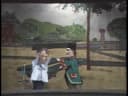
  13. 19Review — and GuignolQuick review: a pearl, the maid, sleeping, relaxed or worried. Rodin's Thinker looks tense — he wonders if Mireille will be at the Courtois'! Guignol cheers Robert up: Elle y sera ! Tout ira bien !Starts at 25:37

Key phrases, with Hindi and Punjabi pronunciation

Real lines from this episode, written the way they sound in Latin letters, Devanagari and Gurmukhi.

  • D'abord, je suis tombé sur une dame avec un accent bizarre.First I got a lady with a strange accent.
    da-BOR, zhuh swee to(n)-BAY SÜR ün DAM a-VEK a(n)-nak-SA(N) bee-ZARदा-बोग़, झ़अ स्वी तोँ-बे सüग़ üन दाम आ-वैक अँ-नाक-साँ बी-ज़ाग़ਦਾ-ਬੋਗ਼, ਝ਼ਅ ਸ੍ਵੀ ਤੋਂ-ਬੇ ਸüਗ਼ üਨ ਦਾਮ ਆ-ਵੈਕ ਅੰ-ਨਾਕ-ਸਾਂ ਬੀ-ਜ਼ਾਗ਼
  • Là, j'ai eu Mme Courtois. J'ai eu aussi du mal à la comprendre.That time I got Mme Courtois. I had trouble understanding her too.
    la, zhay ü ma-DAM koor-TWA. zhay ü o-SEE dü MAL a la ko(n)-PRA(N)DRला, झ़े ü मा-दाम कूग़-तुआ। झ़े ü ओ-सी दü माल आ ला कोँ-प्ग़ाँद्ग़ਲਾ, ਝ਼ੇ ü ਮਾ-ਦਾਮ ਕੂਗ਼-ਤੁਆ। ਝ਼ੇ ü ਓ-ਸੀ ਦü ਮਾਲ ਆ ਲਾ ਕੋਂ-ਪ੍ਗ਼ਾਂਦ੍ਗ਼
  • Ne vous en faites pas !Don't worry!
    nuh voo-za(n) FET PAनअ वू-ज़ाँ फ़ैत पाਨਅ ਵੂ-ਜ਼ਾਂ ਫ਼ੈਤ ਪਾ
  • Vous verrez, tout ira bien !You'll see, everything will be fine!
    voo veh-RAY, too-tee-RA BYA(N)वू वै-ग़े, तू-ती-ग़ा ब्यैंਵੂ ਵੈ-ਗ਼ੇ, ਤੂ-ਤੀ-ਗ਼ਾ ਬ੍ਯੈਂ
  • Il se demande si Mireille sera chez les Courtois.He wonders if Mireille will be at the Courtois'.
    eel suh duh-MA(N)D see mee-RAY suh-RA shay lay koor-TWAईल सअ दअ-माँद सी मी-ग़ैय सअ-ग़ा शे ले कूग़-तुआਈਲ ਸਅ ਦਅ-ਮਾਂਦ ਸੀ ਮੀ-ਗ਼ੈਯ ਸਅ-ਗ਼ਾ ਸ਼ੇ ਲੇ ਕੂਗ਼-ਤੁਆ

Sounds to master in this episode

French sounds explained through the Hindi and Punjabi sounds you already make, with real lines from the episode to copy.

  • The nasal an of France/ɑ̃/

    आँ (माँ वाला)ਆਂ (ਮਾਂ ਵਾਲਾ)

    This lesson is full of the nasal an / en: tente, tendue, détendu, ça dépend, entièrement, Vendôme. Open your mouth as for आ, let the air go through your nose — आँ — and don't close with an n. Une tente tendue = ün TA(N)T ta(n)-DÜ: two nasals, no n sound at all.

    • Une tente tendue.A taut tent.
    • Ça dépend.It depends.
  • The French R/ʁ/

    ग़ (हल्का)ਗ਼ (ਹਲਕਾ)

    Every future form has an r before the ending: ira, sera, fera, verrez, s'arrangera, finira. It's the French ग़ — made at the back of the throat, softly, like gargling. Tout ira bien = too-tee-RA BYA(N). Note the liaison: tout ira.

    • Vous verrez, tout ira bien !You'll see, everything will be fine!
    • tu verras, ça s'arrangera.you'll see, it'll work out.

Grammar patterns in this episode

Each pattern comes from real lines in the episode. Here is the short version; in the course you notice it in the video first, then drill it.

  1. 1Tout ça finira mal — the future tense

    You know aller + infinitive for the near future (je vais finir). French has a one-word future too: take the infinitive (drop the final -e of -re verbs) and add -ai, -as, -a, -ons, -ez, -ont — the endings are almost the present of avoir! finir → je finirai, ça finira; s'arranger → ça s'arrangera; comprendre → vous comprendrez. You'll always hear an r right before the ending.

    From the episode

    Tout ça finira mal.

    This will all end badly.

    Hindi and Punjabi link

    Hindi also has a one-word future that changes with the person: करूँगा, करोगे, करेगा — and a 'going to' form like je vais: करने वाला हूँ. French works the same way: je vais finir (करने वाला हूँ) ↔ je finirai (ख़त्म करूँगा).

  2. 2Tout ira bien — sera, ira, aura, fera, verra

    Same endings, but five everyday verbs change their stem: être → ser- (je serai, elle sera), aller → ir- (tout ira bien), avoir → aur- (il n'y aura pas de problème), faire → fer- (ça ne fera pas un pli), voir → verr- (je verrai, vous verrez). Learn these five — they're everywhere: Je ne sais pas si je serai libre. Je verrai.

    From the episode

    tout ira bien.

    everything will be fine.

  3. 3Ne vous en faites pas ! — worrying and wondering

    To worry: s'en faire or s'inquiéter — both reflexive, so the pronoun changes with the person: je m'en fais, tu t'en fais, il s'en fait, nous nous en faisons, vous vous en faites. Reassure: Ne vous en faites pas ! Ne t'en fais pas ! Ne vous inquiétez pas ! To wonder: se demander si + future: Je me demande si elle sera là.

    From the episode

    Il ne s'en fait jamais.

    He never worries.

    Hindi and Punjabi link

    Ne vous en faites pas = फ़िक्र मत कीजिए / ਫ਼ਿਕਰ ਨਾ ਕਰੋ; to a friend, Ne t'en fais pas = टेंशन मत ले / ਫ਼ਿਕਰ ਨਾ ਕਰ — the same आप/तू switch as vous/tu.

  4. 4Tomber sur, avoir du mal à, dépendre de

    Some verbs come glued to a preposition — learn them as a block: tomber sur quelqu'un (meet by chance), avoir du mal à + infinitive (have trouble doing), se tromper de + noun with no article (get the wrong…: de porte, de numéro), dépendre de (depend on). And de joins le / les: ça dépend du temps, des devoirs.

    From the episode

    D'abord, je suis tombé sur une dame avec un accent bizarre.

    First I got a lady with a strange accent.

  5. 5Je dors, ils dorment — the verb dormir

    dormir (to sleep) drops its m in the singular: je dors, tu dors, il/elle dort (all sound dor) — but keeps it in the plural: nous dormons, vous dormez, ils dorment (dorm). Past: j'ai dormi — j'ai mal dormi = I slept badly. partir and sortir work the same way (je pars, ils partent).

    From the episode

    Tu dors, maintenant ?

    Are you asleep now?

Words you will meet

Each word is written the way it sounds in Devanagari and Gurmukhi.

  • tomber surto run into, get by chanceतोँ-बे सüग़ਤੋਂ-ਬੇ ਸüਗ਼
  • la bonnef.the maidला बोनਲਾ ਬੋਨ
  • une perlef.a gem (of a person)üन पैग़्लüਨ ਪੈਗ਼ਲ
  • une cuisinièref.a cook (woman)üन क्वी-ज़ी-न्यैग़üਨ ਕ੍ਵੀ-ਜ਼ੀ-ਨ੍ਯੈਗ਼
  • avoir du mal àto have trouble (doing)आ-वुआग़ दü माल आਆ-ਵੁਆਗ਼ ਦü ਮਾਲ ਆ
  • que je sacheas far as I knowकअ झ़अ साशਕਅ ਝ਼ਅ ਸਾਸ਼
  • bavard(e)talkativeबा-वाग़, बा-वाग़्दਬਾ-ਵਾਗ਼, ਬਾ-ਵਾਗ਼ਦ
  • placer un motto get a word inप्ला-से अँ मोਪ੍ਲਾ-ਸੇ ਅੰ ਮੋ
  • la migrainef.a migraineला मी-ग्ग़ैनਲਾ ਮੀ-ਗ੍ਗ਼ੈਨ
  • le vétérinairem./f.the vetलअ वे-ते-ग़ी-नैग़ਲਅ ਵੇ-ਤੇ-ਗ਼ੀ-ਨੈਗ਼
  • avoir le cœur sur la mainto be very generousलअ कöग़ सüग़ ला मैंਲਅ ਕöਗ਼ ਸüਗ਼ ਲਾ ਮੈਂ
  • un bon vivantm.someone who enjoys lifeअँ बोँ वी-वाँਅੰ ਬੋਂ ਵੀ-ਵਾਂ

Plus 22 more words in the lesson, each with its pronunciation.

Practice in all four skills

Listening, speaking, reading and writing: the four skills TEF Canada and TCF Canada score. Every task is built from this episode's own lines.

  • Listening

    8 dictation lines cut from the video: hear it, type it, check every accent. Plus 2 textbook audio drills.

    A line you will write down

    J'ai téléphoné aux Courtois tout à l'heure.

    I phoned the Courtois a little while ago.

  • Speaking

    Shadow 8 lines after the actors, answer 6 questions aloud, then a short role-play with Robert.

    How the role-play opens

    Oh là là, je suis inquiet… Je me demande si Mireille sera chez les Courtois ce soir.

    Oh dear, I'm worried… I wonder if Mireille will be at the Courtois' tonight.

  • Reading

    A short story, “Will she be there?”, retold with this episode's words, then 5 questions on it.

    The story starts

    Robert a téléphoné aux Courtois.

  • Writing

    8 fill-in sentences, 5 sentences to build and 2 short writing tasks with feedback.

    A writing task

    A friend is very nervous before their TEF exam tomorrow. Write them a short message to calm them down — use at least three future forms.

Then a self-test of 7 questions to finish the episode, and new words go into your review deck.

Culture notes

La bonne — the maid

In the 1980s many well-off Paris families had a live-in maid, une bonne, often from Portugal or Spain — like Concepción, who cooks wonderfully. She would usually live in a small chambre de bonne (maid's room) on the top floor of the building. Today the word bonne sounds old-fashioned; people say une employée de maison.

Hindi and Punjabi linkLike the cook or didi in many Indian homes — and the family who swears she's एक हीरा / ਇੱਕ ਹੀਰਾ: C'est une perle !


The Louvre in three statues

Robert's Louvre walk hits the big three: the Victoire de Samothrace (Winged Victory, no head), the Vénus de Milo (no arms) and la Joconde — the Mona Lisa by Leonardo da Vinci. He also sees a painting by Hubert Robert (an 18th-century painter of ruins) and one by Boucher. Every French schoolchild knows these — that's why tout le monde sait que la Vénus de Milo n'a pas de bras.

Lost in Paris

Robert gets off at l'Étoile (Arc de Triomphe), then La Défense — the business district of glass towers just west of Paris — then Montmartre in the north. The quai de Grenelle is in the 15th arrondissement, by the Seine near the Eiffel Tower. His walk crosses the whole city: Sacré-Cœur, Opéra, place Vendôme, la Madeleine, rue Royale, Concorde. A métro map (un plan) shows each line by its two end stations — that's how you find your direction.

Who is in it

  • Robertthe young American — invited to dinner, then lost all over Paris
  • MireilleMme Courtois' goddaughter — she won't say yes or no
  • Marie-LaureMireille's little sister, on the bench with Robert
  • Mme CourtoisMireille's godmother — talkative, kind and always worried
  • M. CourtoisMireille's godfather — a happy bon vivant, away on a trip
  • Le voisinthe Courtois' neighbour — Robert rings his bell by mistake
  • Guignolthe puppet who cheers Robert up at the end

Watch this episode in your free trial

Start with Episode 1 free in two taps. Add your email when you are ready and every episode, this one included, opens for 7 days. No card needed.

Start free with Episode 1

What you get

  • Warm-up, tap-to-translate captions, words & patterns, practice
  • Hindi and Punjabi pronunciation help
  • Printable watch guide, master guide, transcript, textbook, and workbook
  • New words saved to your spaced review deck

Coming up next

Episode 24 — Manger et boire I. Dinner at the Courtois' at last. Is Mireille there?