
French

Part 3 · Lifestyle

Episode 19: Attention : Écoles I

Education I

  • 29 min video
  • About 80 min with practice
  • A2

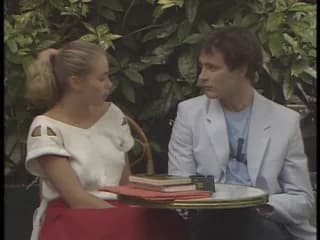
Two kirs at the Closerie des Lilas. Mireille tells Robert her whole school life — finger paints, Matisse on her bedroom walls, far too many subjects, a bac she almost failed — and a Greek art prof who is 'handsome as a god'. Learn the passé composé, ça me plaît, and how to tell the time.

Start with Episode 1 free in two taps. Add your email when you are ready and every episode, this one included, opens for 7 days. No card needed.

A scene from French in Action episode 19, Attention : Écoles I
minutes of video
29
CEFR level
A2
key words
34
grammar patterns
4

By the end you can

  • tell the time two ways: Il est dix heures et demie · dix-sept heures quinze
  • say what happened with the passé composé: ils ont traversé, ils sont arrivés
  • say what you like with plaire: Ça me plaît. Ça m'a plu.
  • talk about school: J'étais nulle en maths, forte en dessin
  • say you almost did something: J'ai failli rater mon bac
  • order at a café: Je vais prendre un kir. — La même chose.

Listen out for

Five things to notice the first time you watch. Spotting them is half the lesson.

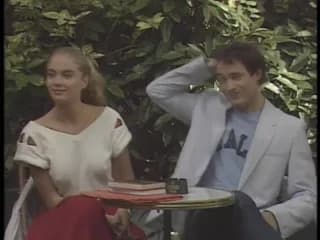
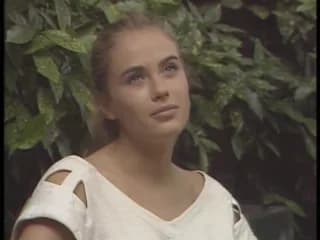
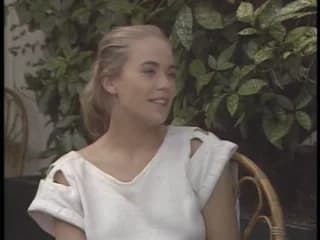
  • Mireille (white top, ponytail) and Robert (light jacket) at a café terrace — and the waiter in his bow tie.
  • Two-part past verbs: ils ont traversé, ils sont arrivés, elle a failli.
  • Lots of clocks: et quart, et demie, moins le quart — and train times like dix-sept heures.
  • Ça me plaît / ça lui a plu — the French way to say I like it.

Scene by scene

The episode in 19 short scenes, with the time each one starts in the video.

  1. Starts at 0:00

    1.Back in the Latin Quarter

    The short English intro: Robert and Mireille are having an aperitif and talking about their school days. Then the titles.

  2. Starts at 1:06

    2.Through the Luxembourg Garden

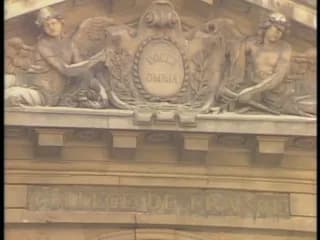
    The teacher sets the scene: the Latin Quarter, district of schools and students. Robert has invited Mireille for a drink. They cross the Luxembourg Garden and pass the Art Institute, where Mireille takes a Greek art class.

  3. Starts at 2:15

    3.At the Closerie des Lilas

    They sit on the terrace of the Closerie des Lilas. 11:15 by the clock — 5:15 on Robert's watch: still on New York time! He chose this café because of Hemingway. Mireille has never been: too fancy, too expensive for a poor student.

  4. Starts at 3:08

    4.What shall we have?

    What's a really French aperitif? Mireille lists them all — Dubonnet, Pernod, Ricard, Suze… and picks a kir. Robert, lost, says: the same thing.

  5. Starts at 3:43

    5.Finger paints and Matisse

    Why art history? Mireille has always loved drawing. In nursery school she was the finger-painting champion. In primary school she saw Matisse — and that night painted frescoes all over her bedroom walls and ceiling. Her parents didn't appreciate it.

  6. Starts at 4:24

    6.A school like all the others

    Was it a special school? No — the public neighborhood school. In France the State funds and controls education; the system is the same everywhere. And in lycée there are so many subjects that there's no time for art history.

Show the other 13 scenes
  1. 7Latin, maths, botany… and the bacRobert took European history in America — too many kings, too many wars. Mireille took the humanities track: Latin, French, maths (she was hopeless — she nearly failed her bac!), botany (she loved it), physics, chemistry, philosophy, German and English.Starts at 5:15
  2. 8Free at last — and the Greek art profShe learned English in England, not at school. Lycée means huge amounts of homework and the bac obsession. Now, at the fac, she feels much freer — and her Greek art professor is 'handsome as a god'. Robert is not amused.Starts at 6:45
  3. 9The passé composéThe teacher retells the walk: il a invité, ils ont traversé, ils sont arrivés, ils se sont assis. These verbs have two parts — avoir or être + a past participle: the passé composé. Compare the imperfect: ils parlaient.Starts at 7:36
  4. 10Clocks, watches and the 24-hour dayUne horloge, une montre. Telling time: quatre heures et quart, dix heures et demie, quatre heures moins le quart… Trains and planes use the 24-hour clock: dix-sept heures cinquante et une. And a 6-hour time difference from New York.Starts at 9:46
  5. 11Chic, expensive — or a little bistro?The Closerie is a literary café where Hemingway and Fitzgerald came. It's chic, so it's expensive. Mireille usually goes to a little bistro. Kir = crème de cassis + white wine; Robert just takes the same thing.Starts at 11:55
  6. 12Your turn: be MireilleThe aperitif dialogue again — then you play Mireille's part in the pauses.Starts at 13:34
  7. 13Champions, painters, school stagesDrawing and painting; Marie-Laure smeared with chocolate; Mireille the unbeatable class champion — and Marie-Laure unbeatable at times tables. Then the school ladder: maternelle, primaire, collège, lycée, the bac, the fac.Starts at 14:39
  8. 14Ça me plaît: the verb plaireThe Matisse reproductions pleased Mireille: ça lui a plu. Marie-Laure adores her new boat and chocolate mousse. J'aime ça = ça me plaît. Present: elles lui plaisent; past: elles lui ont plu.Starts at 16:43
  9. 15Walls, ceilings — and misunderstood artistsFour walls and a ceiling; walls covered with drawings and posters. Mireille's parents didn't understand it was art: great artists are always misunderstood! Then: public vs. private schools — Mireille went to the public one, like most French children.Starts at 18:24
  10. 16Kings, wars, and classes that count downIn lycée Mireille studied ancient history, French history, foreign countries. Robert found too many kings and wars — and France alone has plenty. Secondary school lasts seven years: from la sixième at 11 down to la terminale.Starts at 20:13
  11. 17Hopeless at maths — failed? almost!Botany pleased her; maths didn't. She was hopeless — zeros! She nearly failed her bac. Jean-Claude mimes raté and réussi, a man misses his train, and il a failli tomber: he almost fell.Starts at 21:53
  12. 18Homework, à fond — and feeling freeToo much to learn, so nothing done thoroughly (à fond). Kids aren't free: Marie-Laure hasn't done her homework. At the fac Mireille feels freer — se sentir. And her prof is a treat to listen to: c'est un régal.Starts at 23:23
  13. 19Now you talk!Quick review: what time is it? A big café or a little bistro? Did Jean-Claude fall? On fait des maths, malheureusement… on n'en finit pas! Then the credits.Starts at 25:41

Key phrases, with Hindi and Punjabi pronunciation

Real lines from this episode, written the way they sound in Latin letters, Devanagari and Gurmukhi.

  • Quelle heure est-il?What time is it?
    kel ÖR ay-TEELकैल öग़ ए-तीलਕੈਲ öਗ਼ ਏ-ਤੀਲ
  • C'est ça. Je vais prendre un kir.That's it. I'll have a kir.
    say SA. zhuh vay PRAHN-dr uh(n) KEERसे सा। झ़अ वै प्ग़ाँद्ग़ अँ कीग़ਸੇ ਸਾ। ਝ਼ਅ ਵੈ ਪ੍ਗ਼ਾਂਦ੍ਗ਼ ਅੰ ਕੀਗ਼
  • Euh, la même chose.Uh, the same thing.
    uh, la mem SHOHZअ, ला मैम शोज़ਅ, ਲਾ ਮੈਮ ਸ਼ੋਜ਼
  • J'ai failli rater mon bac à cause des maths.I nearly failed my bac because of math.
    zhay fa-YEE ra-TAY mo(n) BAK a kohz day MATझ़े फ़ा-यी ग़ा-ते मोँ बाक आ कोज़ दे मातਝ਼ੇ ਫ਼ਾ-ਯੀ ਗ਼ਾ-ਤੇ ਮੋਂ ਬਾਕ ਆ ਕੋਜ਼ ਦੇ ਮਾਤ
  • J'aime ça. Ça me plaît.I like that. It pleases me.
    ZHEM sa. sa muh PLAYझ़ैम सा। सा मअ प्लैਝ਼ੈਮ ਸਾ। ਸਾ ਮਅ ਪ੍ਲੈ

Sounds to master in this episode

French sounds explained through the Hindi and Punjabi sounds you already make, with real lines from the episode to copy.

  • The French R/ʁ/

    ग़ (हल्का)ਗ਼ (ਹਲਕਾ)

    Workbook 19.4–19.6 reviews the French r — ग़ at the back of the throat, tongue tip resting behind your lower teeth. It's everywhere in this episode: rater, réussir, horloge, Pernod, incompris. Don't roll it like Hindi र.

    • En France, les grands artistes sont toujours incompris.In France, great artists are always misunderstood.
    • J'ai failli rater mon bac à cause des maths.I nearly failed my bac because of math.
  • The ü of tu/y/

    ई + ऊ के होंठਈ + ਊ ਦੇ ਬੁੱਲ੍ਹ

    The u of plu, nulle, réussi, mur — say ई and round your lips as if for ऊ. Ça m'a plu (I liked it) must not sound like plus with an 'oo'!

    • Elles lui ont plu.She liked them.
    • Elle était nulle, zéro.She was hopeless, a zero.

Grammar patterns in this episode

Each pattern comes from real lines in the episode. Here is the short version; in the course you notice it in the video first, then drill it.

  1. 1The passé composé: avoir / être + past participle

    In lesson 16 you learned to recognise the two pasts (nous allions / nous sommes allés). Now you build the second one yourself. Passé composé = helper verb in the present (avoir or être) + past participle (invité, traversé, fait, pris). It tells what happened. Most verbs use avoir: il a invité, ils ont traversé. Verbs of coming and going (aller, arriver, entrer, passer, partir) and all se verbs use être: ils sont arrivés, ils se sont assis.

    From the episode

    Il a invité.

    He invited.

    Hindi and Punjabi link

    Hindi does something similar: मैंने देखा (with ने) but मैं गया / गई (no ने — and it agrees with you). French: j'ai vu, but je suis allé / allée. Going-and-coming verbs behave differently in both languages!

  2. 2Ça me plaît — liking, the French way

    plaire à = to please. The thing you like is the subject; the person who likes it is a small pronoun before the verb: me, te, lui, nous, vous, leur. Ça me plaît = I like it. Plural thing: ils/elles me plaisent. Past (with avoir): ça m'a plu = I liked it.

    From the episode

    J'aime ça. Ça me plaît.

    I like that. It pleases me.

    Hindi and Punjabi link

    This is exactly मुझे पसंद है / ਮੈਨੂੰ ਪਸੰਦ ਹੈ: the thing is the subject, and you are the one it's 'to'. मुझे = me, उसे = lui, हमें = nous. You already think like ça me plaît!

  3. 3Quelle heure est-il ? Telling the time

    Lesson 14 gave you il est + the hour (il est onze heures) and c'est + the day or date. Now the full clock. Il est + number + heure(s). Everyday: et quart (:15), et demie (:30), moins le quart (:45), moins vingt / moins cinq (count back from the next hour). Timetables use the 24-hour clock and plain numbers: dix-sept heures quinze (17:15). Noon = midi, midnight = minuit.

    From the episode

    Ici, il est quatre heures quinze, quatre heures et quart.

    Here, it's four fifteen, a quarter past four.

    Hindi and Punjabi link

    Hindi/Punjabi have the same shortcuts! सवा चार (ਸਵਾ ਚਾਰ) = quatre heures et quart, साढ़े दस (ਸਾਢੇ ਦਸ) = dix heures et demie, पौने चार (ਪੌਣੇ ਚਾਰ) = quatre heures moins le quart. Same idea, French words.

  4. 4-ment: adjective → adverb

    Many adverbs = feminine adjective + -ment (like English -ly). général → générale → généralement, malheureux → malheureuse → malheureusement. Adjectives ending in a vowel just add -ment: obligatoire → obligatoirement. Watch out: énorme → énormément.

    From the episode

    J'ai fait du français, naturellement.

    I did French, naturally.

Words you will meet

Each word is written the way it sounds in Devanagari and Gurmukhi.

  • l'école maternellef.nursery schoolले-कोल मा-तैग़-नैलਲੇ-ਕੋਲ ਮਾ-ਤੈਗ਼-ਨੈਲ
  • l'école primairef.primary schoolले-कोल प्ग़ी-मैग़ਲੇ-ਕੋਲ ਪ੍ਗ਼ੀ-ਮੈਗ਼
  • le lycéem.high school (last 3 years)लअ ली-सेਲਅ ਲੀ-ਸੇ
  • la facf.university (casual)ला फ़ाकਲਾ ਫ਼ਾਕ
  • le bacm.the school-leaving examलअ बाकਲਅ ਬਾਕ
  • une matièref.a school subjectüन मा-त्यैग़üਨ ਮਾ-ਤ੍ਯੈਗ਼
  • le pirethe worstलअ पीग़ਲਅ ਪੀਗ਼
  • l'institutricef.primary school teacher (woman)लैं-स्ती-तü-त्ग़ीसਲੈਂ-ਸਤੀ-ਤü-ਤ੍ਗ਼ੀਸ
  • suivre un coursto take a classस्वीव्ग़ अँ कूग़ਸ੍ਵੀਵ੍ਗ਼ ਅੰ ਕੂਗ਼
  • obligatoirecompulsoryओ-ब्ली-गा-तुआग़ਓ-ਬ੍ਲੀ-ਗਾ-ਤੁਆਗ਼
  • fort(e) en…good at (a subject)फ़ोग़ / फ़ोग़त आँਫ਼ੋਗ਼ / ਫ਼ੋਗ਼ਤ ਆਂ
  • nul(le) en…hopeless at (a subject)नüल आँਨüਲ ਆਂ

Plus 22 more words in the lesson, each with its pronunciation.

Practice in all four skills

Listening, speaking, reading and writing: the four skills TEF Canada and TCF Canada score. Every task is built from this episode's own lines.

  • Listening

    7 dictation lines cut from the video: hear it, type it, check every accent. Plus 13 textbook audio drills.

    A line you will write down

    Quelle heure est-il?

    What time is it?

  • Speaking

    Shadow 8 lines after the actors, answer 6 questions aloud, then a short role-play with Mireille.

    How the role-play opens

    Alors, et vous ? Qu'est-ce que vous avez fait comme matières au lycée ?

    So, what about you? What subjects did you do in high school?

  • Reading

    A short story, “Mireille's school days”, retold with this episode's words, then 5 questions on it.

    The story starts

    Robert et Mireille ont traversé le jardin du Luxembourg.

  • Writing

    8 fill-in sentences, 4 sentences to build and 2 short writing tasks with feedback.

    A writing task

    Like Mireille, tell someone about your school days: one subject you loved, one you were bad at, and the big exam at the end.

Then a self-test of 8 questions to finish the episode, and new words go into your review deck.

Culture notes

L'Éducation nationale

Since Napoleon, French state schools have been run centrally from Paris: the State funds and controls them, teachers are civil servants, and the curriculum is the same from Lille to Marseille — so toutes les écoles sont à peu près pareilles. Public school is free, secular (laïque) and compulsory until 16. Private schools exist too, mostly Catholic.

Hindi and Punjabi linkLike a single national board for every school — imagine all of India on one CBSE syllabus, set in Delhi.


From maternelle to the bac

École maternelle (3–6) → école primaire (6–11) → collège (4 years: sixième, cinquième, quatrième, troisième) → lycée (3 years: seconde, première, terminale) → le bac in June → la fac. Yes, the classes count down: you start at sixième aged 11 and finish in terminale, where everyone studies philosophy.

Hindi and Punjabi linkLa terminale is your Class 12, and le bac is the board exam — same nerves, same family pressure, same relief after.

The Closerie des Lilas — and the kir

The Closerie des Lilas in Montparnasse is a famous café littéraire: Hemingway, Scott Fitzgerald and Gertrude Stein came here in the 1920s — that's why Robert knows it. It's chic et cher; students go to a little bistro. The kir (white wine + crème de cassis) is named after Canon Félix Kir, a priest who became mayor of Dijon and loved this local drink.

Who is in it

  • Mireilleart-history student — loves her new freedom at the fac
  • Robertthe young American — buys the kirs, listens, not amused
  • Le garçonthe waiter at the Closerie des Lilas
  • Marie-LaureMireille's little sister — unbeatable at times tables, not at homework
  • Le professeurthe course's teacher, Pierre Capretz
  • Jean-Claudethe mime in the bowler hat — acts out the words

Watch this episode in your free trial

Start with Episode 1 free in two taps. Add your email when you are ready and every episode, this one included, opens for 7 days. No card needed.

Start free with Episode 1

What you get

  • Warm-up, tap-to-translate captions, words & patterns, practice
  • Hindi and Punjabi pronunciation help
  • Printable watch guide, master guide, transcript, textbook, and workbook
  • New words saved to your spaced review deck

Coming up next

Episode 20 — Attention : Écoles II. Still at the Closerie — and Robert knocks his kir onto Mireille's skirt! Learn to say sorry (and ce n'est rien), and find out why Robert took a year off 'to find himself'.