



French

Part 3 · Lifestyle

Episode 22: Se déplacer I

Getting Around I

  • 29 min video
  • About 80 min with practice
  • A2

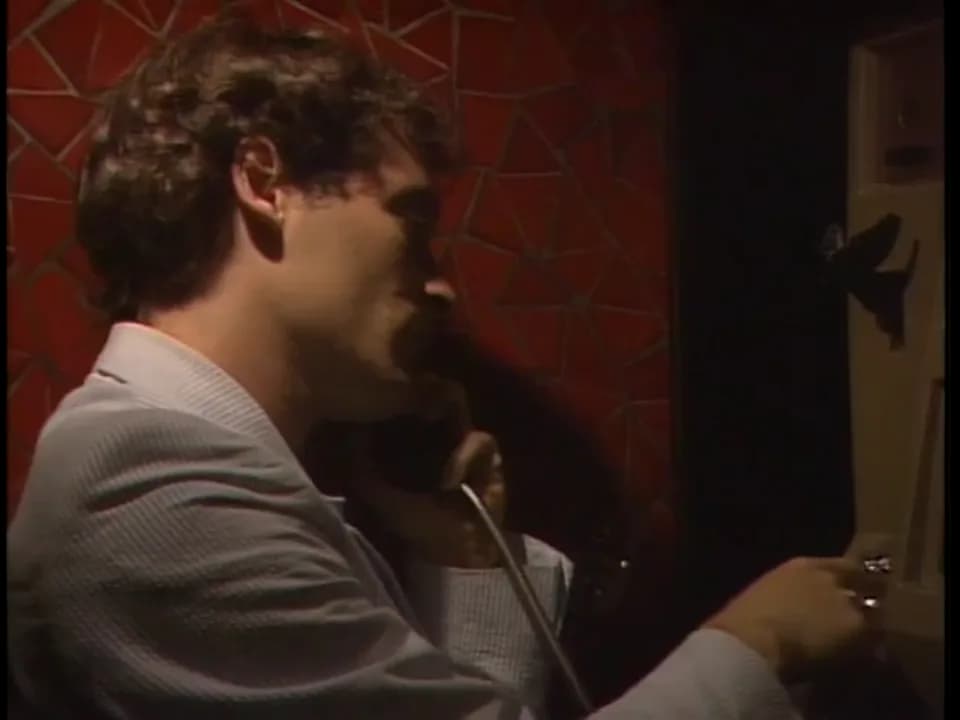
Noon in Paris. Robert just wants to make one phone call — but there are tokens, coins, cards, a maid who says la madame, elle est pas là, and a man in black on his heels. When he finally gets Mme Courtois, she talks non-stop… and invites him to dinner, the day after tomorrow. Learn phone French, meals, Dépêche-toi ! and the past with être: il est descendu, il est sorti.

Start with Episode 1 free in two taps. Add your email when you are ready and every episode, this one included, opens for 7 days. No card needed.

A scene from French in Action episode 22, Se déplacer I
minutes of video
29
CEFR level
A2
key words
34
grammar patterns
5

By the end you can

  • ask to use the phone and find it: Est-ce que je peux téléphoner ? — Au sous-sol, à côté des toilettes.
  • handle a call: Allô ? Ne quittez pas, je vous la passe. Elle est sortie. Je vais rappeler.
  • ask for change and pay: Vous avez de la monnaie ? Ça fait combien ? Le service est compris ?
  • name the meals: le petit déjeuner, le déjeuner, le dîner
  • hurry someone up: Dépêche-toi, tu es en retard !
  • say something pleases you: Ça me fait plaisir. Je suis ravi(e) de faire votre connaissance.
  • tell where someone went with être: il est descendu, il est entré, il est sorti, il est remonté

Listen out for

Five things to notice the first time you watch. Spotting them is half the lesson.

  • Count Robert's trips down to the basement and back up — every one is a verb you'll learn: descendre, remonter, redescendre.
  • What Robert tries to put in each phone: a coin, a token (jeton), a note, a card…
  • The man in black — he's in more scenes than you think.
  • Mme Courtois's monologue: don't try to catch it all. Just notice how Robert never gets to speak!

Scene by scene

The episode in 21 short scenes, with the time each one starts in the video.

  1. Starts at 0:00

    1.Noon in Paris

    The English intro: Mireille has gone home for lunch. Robert finally manages to phone Mme Courtois — a great talker — and gets invited to dinner.

  2. Starts at 1:07

    2.Marie-Laure goes home

    Marie-Laure skips home from the Luxembourg chanting a noon rhyme. Her mother: wash your hands, hurry, you're late!

  3. Starts at 1:42

    3.May I make a call?

    12:05. Robert, alone after his third kir, asks the waiter if he can phone: downstairs, next to the toilets. A man in black follows him down. His coin doesn't work — at the till he buys a token (un jeton).

  4. Starts at 3:34

    4.La madame, elle est pas là

    Robert goes back down and it works. The Courtois' maid answers: Madame is out walking Minouche, call back around 12:30. Robert says he'll call back in half an hour.

  5. Starts at 5:00

    5.The bill

    Robert pays: 75 francs, service included (15 %).

  6. Starts at 5:30

    6.Phone booths on the boulevard

    On the boulevard du Montparnasse, the first booth needs a magnetic card. The other takes coins — but Robert only has a big coin. A passer-by gives him change.

Show the other 15 scenes
  1. 7Mme Courtois talks… and talksThe maid passes the phone to Madame. Mon cher petit ! Quelle coïncidence ! Jet lag, Robert's mother, her cat Minouche who is unwell, her husband always away on business… Robert can't get a word in.Starts at 6:50
  2. 8Dinner, the day after tomorrowNot today — but venez donc dîner après-demain, at 7:30, next to the Nikko hotel. N'oubliez pas, surtout !Starts at 8:32
  3. 9Lunch: copy the neighbour12:45, Robert is hungry. The waitress serves his neighbour country ham and a glass of Beaujolais — so Robert orders exactly the same.Starts at 9:01
  4. 10The man in black again1:30, Luxembourg Garden. Marie-Laure has no English homework at all — Mystère et boule de gomme ! She drinks Orangina. Then she spots a man watching them: the man from the Closerie, who followed Robert down to the phone!Starts at 9:52
  5. 11Rhymes and mealsThe teacher starts explaining: the noon rhyme, the counting rhyme Am stram gram, then the three meals — breakfast, lunch, dinner.Starts at 11:25
  6. 12Late! Hurry up!Être en retard (to be late) and se dépêcher (to hurry): a montage of people rushing.Starts at 12:37
  7. 13Jet lagNew York is six hours behind Paris. Le décalage horaire — the hardest part of travelling, says M. Courtois.Starts at 13:23
  8. 14Where to phone — your turnYou can phone from home, a booth or a café. In cafés, the phone is in the basement, next to the toilets. Then YOU play the waiter!Starts at 14:11
  9. 15Coins, notes and the tipBooths take coins, not notes — always carry change. A croque-monsieur and a 500-franc note: chaos! Then the bill: in cafés, restaurants and hotels, le service est compris.Starts at 15:25
  10. 16Phone FrenchCards and coins, the PTT post office. If the person isn't there, call back. Bad line? Hang up and call back. Ne quittez pas, je vous la passe.Starts at 17:27
  11. 17Coincidence? Pleasure!No coincidence: the Courtois just got a letter from Robert's mother. Ça nous a fait plaisir. Presents, chocolates — ça lui fait plaisir. Then impatient and ravi(e) de faire votre connaissance.Starts at 19:06
  12. 18It'll end badly!M. Courtois is away, always travelling. Fais attention, ça va mal finir ! Marie-Laure never pays attention — and it ends badly. An infarctus is a heart attack. He laughs; she cries.Starts at 21:27
  13. 19Men! And the addressAh, les hommes, ne m'en parlez pas ! Then the address: 59, quai de Grenelle, in the 15th district by the Seine, near the Eiffel Tower. Dinner is fixed: c'est entendu.Starts at 23:13
  14. 20He went down, he went in…A recap of Robert's day. Then the key grammar: il est allé, descendu, entré, resté, sorti, monté — all with être.Starts at 24:11
  15. 21Look, think and speakQuick questions to answer aloud: hurrying or not? coin or note? laughing or crying? breakfast or lunch? And the last gag: the little mouse is right here!Starts at 25:10

Key phrases, with Hindi and Punjabi pronunciation

Real lines from this episode, written the way they sound in Latin letters, Devanagari and Gurmukhi.

  • Est-ce que je peux téléphoner ?May I make a phone call?
    es-kuh zhuh puh tay-lay-fo-NAYऐस-कअ झ़अ पö ते-ले-फ़ो-नेਐਸ-ਕਅ ਝ਼ਅ ਪö ਤੇ-ਲੇ-ਫ਼ੋ-ਨੇ
  • Vous avez de la monnaie ?Do you have any change?
    voo-za-VAY duh la mo-NAYवू-ज़ा-वे दअ ला मो-नैਵੂ-ਜ਼ਾ-ਵੇ ਦਅ ਲਾ ਮੋ-ਨੈ
  • Ne quittez pas, je vous la passe.Hold the line, I'll put her on.
    nuh kee-TAY PA, zhuh voo la PASनअ की-ते पा, झ़अ वू ला पासਨਅ ਕੀ-ਤੇ ਪਾ, ਝ਼ਅ ਵੂ ਲਾ ਪਾਸ
  • Je vais rappeler dans une demi-heure.I'll call back in half an hour.
    zhuh vay ra-puh-LAY da(n)-zün duh-mee-URझ़अ वे ग़ा-पअ-ले दाँ-ज़ün दअ-मी-öग़ਝ਼ਅ ਵੇ ਗ਼ਾ-ਪਅ-ਲੇ ਦਾਂ-ਜ਼ün ਦਅ-ਮੀ-öਗ਼
  • Dépêche-toi, tu es en retard !Hurry up, you're late!
    day-pesh-TWA, tü ay a(n) ruh-TARदे-पैश-तुआ, तü ए आँ ग़अ-ताग़ਦੇ-ਪੈਸ਼-ਤੁਆ, ਤü ਏ ਆਂ ਗ਼ਅ-ਤਾਗ਼

Sounds to master in this episode

French sounds explained through the Hindi and Punjabi sounds you already make, with real lines from the episode to copy.

  • The ü of tu/y/

    ई + ऊ के होंठਈ + ਊ ਦੇ ਬੁੱਲ੍ਹ

    This lesson is full of past participles in -u: venu, descendu, entendu, bu, vu. Say ई, freeze your tongue, then round your lips into a tight kiss — that's u (written ü in our chips). Workbook 22.4: Ça, c'est le plus dur ! Votre maman n'est pas venue ? Alors, c'est entendu ?

    • Mon mari, qui voyage beaucoup, dit que c'est le plus dur, le décalage horaire.My husband, who travels a lot, says the jet lag is the hardest part.
    • Alors, c'est entendu ?So, it's agreed?
  • The ou of vous/u/

    ऊਊ

    Don't let u slide into ou (ऊ) — the meaning flips: vu (seen) vs vous (you), tu vs tout. Qu'est-ce que vous avez bu ? has both: vous (ou) and bu (u).

    • Qu'est-ce que vous avez bu ?What did you drink?
    • Mais alors, pourquoi est-ce que je suis venu ici, moi ?But then, why did I come here?

Grammar patterns in this episode

Each pattern comes from real lines in the episode. Here is the short version; in the course you notice it in the video first, then drill it.

  1. 1Il est descendu — moving verbs take être

    You met the passé composé in lesson 19. Most verbs use avoir (il a téléphoné, il a bu). But a small club of verbs of coming and going use être: aller, venir, arriver, partir, entrer, sortir, monter, descendre, rester, rentrer, revenir, tomber, naître, mourir. With être, the participle agrees with the subject, like an adjective: il est sorti, elle est sortie, ils sont sortis, elles sont sorties.

    From the episode

    et il est descendu derrière moi.

    and he came down behind me.

    Hindi and Punjabi link

    Hindi already does this! Going/coming verbs take no ने and agree with the person: वो नीचे गया / गई = il est descendu / elle est descendue. But उसने फ़ोन किया (with ने) = il a téléphoné (avoir). Punjabi: ਉਹ ਹੇਠਾਂ ਗਿਆ / ਗਈ.

  2. 2Dépêche-toi ! — hurrying and being late

    être en retard = to be late (opposite: être à l'heure). se dépêcher = to hurry, a se verb: je me dépêche, tu te dépêches, elle se dépêche, nous nous dépêchons, vous vous dépêchez, ils se dépêchent. In a command, the pronoun goes after with a hyphen, and te becomes toi: Dépêche-toi ! Dépêchons-nous ! Dépêchez-vous ! Negative: back in front: Ne te dépêche pas !

    From the episode

    Dépêche-toi, tu es en retard !

    Hurry up, you're late!

    Hindi and Punjabi link

    Mum's voice in three languages: Dépêche-toi, tu es en retard ! = जल्दी कर, देर हो रही है! = ਛੇਤੀ ਕਰ, ਲੇਟ ਹੋ ਰਹੀ ਏਂ! And Dépêchez-vous is the polite जल्दी कीजिए.

  3. 3Ça me fait plaisir — what pleases you

    faire plaisir à quelqu'un = to please someone. The thing that pleases is the subject; the happy person is the indirect object: Le bateau fait plaisir à Marie-Laure → Ça lui fait plaisir. Pronouns: me, te, lui, nous, vous, leur. In the past: Sa lettre nous a fait plaisir. Friends of plaisir: ravi(e) de (delighted to), impatient(e) de (can't wait to).

    From the episode

    Sa lettre nous a fait très plaisir.

    We were very pleased to get her letter.

    Hindi and Punjabi link

    Exactly like मुझे ख़ुशी हुई / ਮੈਨੂੰ ਖ਼ੁਸ਼ੀ ਹੋਈ — the happy person is in the 'to me' form: मुझे ↔ me, उसे ↔ lui. Sa lettre nous a fait plaisir = उनकी चिट्ठी से हमें बहुत ख़ुशी हुई.

  4. 4Allô ? — phone French and rappeler

    Answer: Allô ? · Allô, j'écoute. Say who you are: Ici Robert. Hold on: Ne quittez pas (quitter = to leave). Put someone on: je vous la passe (her) / je vous le passe (him). Not there: Elle est sortie. Rappelez plus tard. rappeler (re- + appeler = call back): where you hear -pel-, write ll (je rappelle, ils rappellent); where you hear a weak -pe-, one l (nous rappelons, vous rappelez, rappeler).

    From the episode

    Allô, j'écoute.

    Hello, I'm listening.

    Hindi and Punjabi link

    Ne quittez pas = लाइन पर रहिए / ਲਾਈਨ ਤੇ ਰਹੋ. Ici Robert = मैं रॉबर्ट बोल रहा हूँ. And re- is like फिर से / दोबारा: rappeler = दोबारा फ़ोन करना / ਮੁੜ ਫ਼ੋਨ ਕਰਨਾ.

  5. 5Breakfast, lunch, dinner — and the days around today

    le petit déjeuner (morning) · le déjeuner (noon) · le dîner (evening). déjeuner and dîner are also verbs: Les Belleau déjeunent à midi. Venez dîner ! Breakfast has no verb — you prendre it: Marie-Laure prend son petit déjeuner. Around today: avant-hier ← hier ← aujourd'hui → demain → après-demain.

    From the episode

    Et le matin, c'est le petit déjeuner.

    And in the morning, it's breakfast.

    Hindi and Punjabi link

    Hindi is lazier here: परसों / ਪਰਸੋਂ means both avant-hier and après-demain (and कल both hier and demain). French always needs the right word.

Words you will meet

Each word is written the way it sounds in Devanagari and Gurmukhi.

  • téléphonerto make a phone callते-ले-फ़ो-नेਤੇ-ਲੇ-ਫ਼ੋ-ਨੇ
  • une cabine téléphoniquef.a phone boothका-बीन ते-ले-फ़ो-नीकਕਾ-ਬੀਨ ਤੇ-ਲੇ-ਫ਼ੋ-ਨੀਕ
  • le sous-solm.the basementसू-सोलਸੂ-ਸੋਲ
  • en basdownstairsआँ बाਆਂ ਬਾ
  • les toilettesf.the toiletsले तुआ-लैतਲੇ ਤੁਆ-ਲੈਤ
  • un jetonm.a phone tokenअँ झ़अ-तोँਅੰ ਝ਼ਅ-ਤੋਂ
  • une piècef.a coinün प्यैसün ਪ੍ਯੈਸ
  • la monnaief.change, small coinsला मो-नैਲਾ ਮੋ-ਨੈ
  • un billetm.a banknoteअँ बी-येਅੰ ਬੀ-ਯੇ
  • une carte magnétiquef.a phone cardün काग़्त मा-न्ये-तीकün ਕਾਗ਼੍ਤ ਮਾ-ਨ੍ਯੇ-ਤੀਕ
  • ça marcheit worksसा माग़्शਸਾ ਮਾਗ਼੍ਸ਼
  • rappelerto call backग़ा-पअ-लेਗ਼ਾ-ਪਅ-ਲੇ

Plus 22 more words in the lesson, each with its pronunciation.

Practice in all four skills

Listening, speaking, reading and writing: the four skills TEF Canada and TCF Canada score. Every task is built from this episode's own lines.

  • Listening

    8 dictation lines cut from the video: hear it, type it, check every accent. Plus 6 textbook audio drills.

    A line you will write down

    Est-ce que je peux téléphoner ?

    May I make a phone call?

  • Speaking

    Shadow 8 lines after the actors, answer 6 questions aloud, then a short role-play with Mme Courtois.

    How the role-play opens

    Allô, oui ? J'écoute !

    Hello, yes? I'm listening!

  • Reading

    A short story, “One phone call, many problems”, retold with this episode's words, then 5 questions on it.

    The story starts

    Il est midi cinq.

  • Writing

    8 fill-in sentences, 6 sentences to build and 2 short writing tasks with feedback.

    A writing task

    You phone a French friend's home. Someone else answers. Write the call: ask for your friend, you're told they've gone out, and you say you'll call back.

Then a self-test of 8 questions to finish the episode, and new words go into your review deck.

Culture notes

Phones in 1980s Paris

No mobiles! In a café the phone was au sous-sol, à côté des toilettes, and often took a jeton (token) bought at the till. Street booths took coins or, more and more, a télécarte (magnetic card) sold at post offices and tobacconists. The PTT (Postes, Télégraphes, Téléphones) ran it all. Today's France uses euros — and booths have almost disappeared.

Hindi and Punjabi linkIndia had the same era: the yellow STD/PCO booth and the ₹1 coin phone on the corner.


Service compris

In French cafés, restaurants and hotels the tip — le service, 15 % — is already in the bill (compris dans l'addition). A few extra coins are a kind gesture, not a duty. Look closely: the bill is 75 francs, Robert pays with 100 and gets back only 15. The book leaves it to you whether the waiter is fooling the foreigner…

Hindi and Punjabi linkLike the service charge line on an Indian restaurant bill — already included.

Lunch is family time

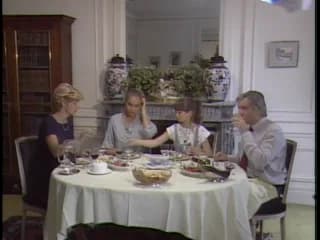
Mireille went home at noon to have déjeuner with papa, maman et la petite sœur. Traditionally the French sit down to a cooked meal together, at lunch as well as dinner. Dinner is around 8 p.m.

Who is in it

  • Robertthe young American — trying to make one phone call
  • Mme CourtoisMireille's godmother and an old friend of Robert's mother — a champion talker
  • La bonnethe Courtois' Portuguese maid
  • Marie-LaureMireille's little sister
  • L'homme en noira mysterious man who follows Robert
  • Le professeurPierre Capretz, who explains the new words

Watch this episode in your free trial

Start with Episode 1 free in two taps. Add your email when you are ready and every episode, this one included, opens for 7 days. No card needed.

Start free with Episode 1

What you get

  • Warm-up, tap-to-translate captions, words & patterns, practice
  • Hindi and Punjabi pronunciation help
  • Printable watch guide, master guide, transcript, textbook, and workbook
  • New words saved to your spaced review deck

Coming up next

Episode 23 — Se déplacer II. Robert has two days to fill before dinner at the Courtois'. Where will he go — and will the man in black keep following?