
French

Part 3 · Lifestyle

Episode 25: Manger et boire II

Food and Drink II

  • 29 min video
  • About 80 min with practice
  • A2

Saturday morning: Robert gets up, shaves, cuts himself, orders a café au lait and strolls across Paris. At dinner he lands next to Tante Georgette — dirty glass, torn napkin, no calf's head, a raw chop, then a burnt one. Learn the morning routine, how to send things back (Apportez-moi… Changez-moi…) and what to say when the mustard goes up your nose.

Start with Episode 1 free in two taps. Add your email when you are ready and every episode, this one included, opens for 7 days. No card needed.

A scene from French in Action episode 25, Manger et boire II
minutes of video
29
CEFR level
A2
key words
36
grammar patterns
4

By the end you can

  • describe your morning: je me réveille, je me lève, je me lave, je me brosse les dents
  • order breakfast: Est-ce que je pourrais avoir un petit déjeuner ? Un café au lait, s'il vous plaît.
  • name the table: un verre, une fourchette, un couteau, une assiette, une serviette, la nappe
  • complain and send things back: Apportez-moi une fourchette propre. Celle-ci est sale.
  • understand Il n'y en a plus — there's none left
  • say how food is: cru, à point, carbonisé · frais, trop fait, de la conserve, dur comme de la pierre
  • lose your temper, French style: La moutarde me monte au nez ! Il y a des limites !

Listen out for

Five things to notice the first time you watch. Spotting them is half the lesson.

  • Robert's morning: watch each action and hear its verb — il se lève, il se lave, il se rase, il se brosse les dents.
  • The jam joke: de la confiture de Mireille ? — no, de mirabelles (little yellow plums)!
  • The 500-franc note for a 9-franc sandwich — and the vendor's Oh là là !
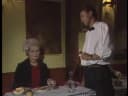
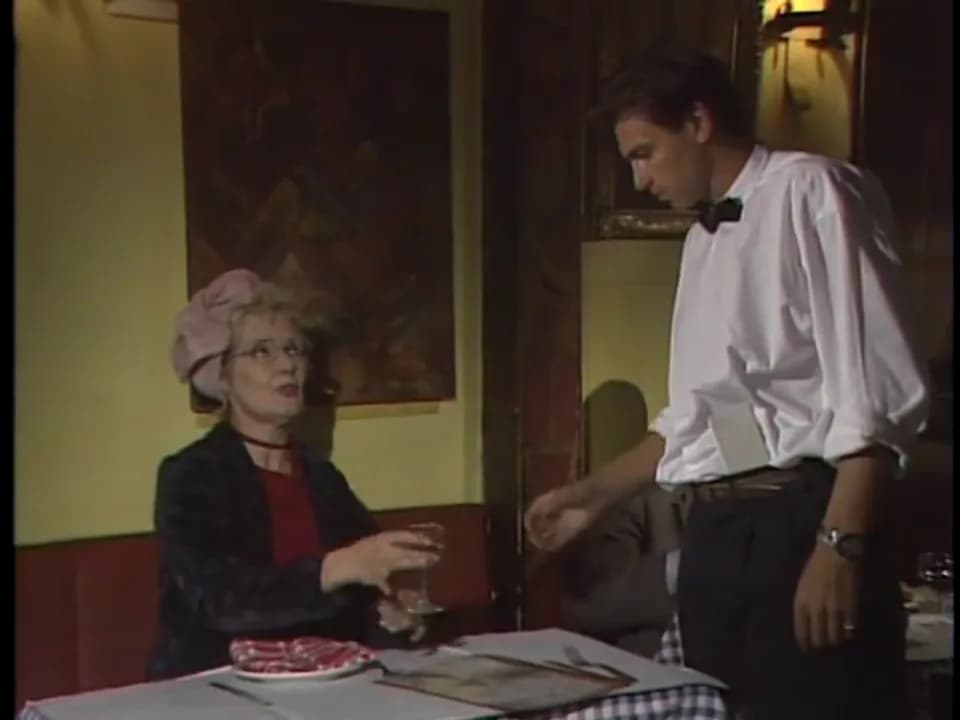
  • Tante Georgette (pink scarf on her head) at the next table: count how many things she sends back.
  • Her favourite verbs: Apportez-moi… Changez-moi… Remportez-moi… — orders, not requests!

Scene by scene

The episode in 18 short scenes, with the time each one starts in the video.

  1. Starts at 0:00

    1.A Saturday in Paris

    The short English intro: Robert gets up, orders breakfast, explores Paris — a market, the Right Bank — and ends up in a restaurant watching a fussy customer and a hapless waiter.

  2. Starts at 1:00

    2.Good morning, Robert

    8 a.m., Saturday 2 June. Robert wakes up, stretches, yawns, showers, shaves — and cuts himself. Then he phones for breakfast: tea… no, coffee! A white coffee, room 27.

  3. Starts at 2:30

    3.Breakfast on the balcony

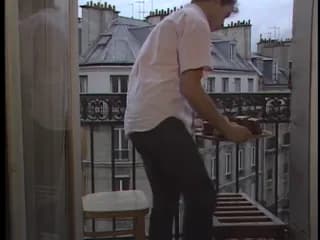
    Coffee with milk, a lump of sugar, a croissant, bread with butter and jam — Mireille jam? No: mirabelle jam! Robert has nothing to do: he has free time, and it's nice.

  4. Starts at 3:50

    4.A walk across Paris

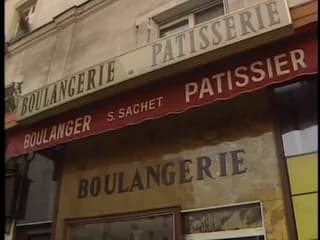
    A bakery (you're not hungry, Robert!), a cheese stall, the Arènes de Lutèce, the mosque, the Île Saint-Louis. Now he IS hungry: a 9-franc croque-monsieur, paid with a 500-franc note. Then the Place des Vosges and the Marais.

  5. Starts at 6:26

    5.Waiter! Another glass!

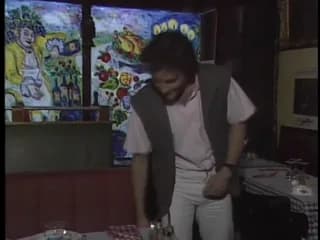
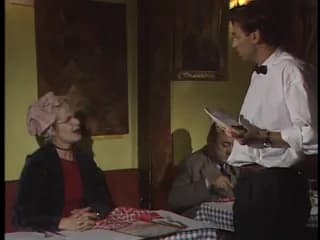
    Robert sits down in a little restaurant. At the next table a lady sends everything back: the glass has lipstick, the fork has egg yolk, the plate is dirty, the napkin and tablecloth are torn.

  6. Starts at 7:50

    6.No more calf's head!

    She orders calf's head — there's none left. That man is eating some! It was the last one. Pig's foot? Rabbit in mustard sauce? The mustard goes up her nose. Fine: a mutton chop… lamb, same thing. Medium!

Show the other 12 scenes
  1. 7Raw, then burntThe chop is raw inside — back to the kitchen! The knife doesn't cut. The chop comes back as charcoal. The peas are canned, the brie too young, the camembert overripe, the bread a week old. 'I'm not one to complain, but there are limits!'Starts at 8:46
  2. 8Getting up or washing?The teacher sums up four scenes, then the morning verbs: se réveiller, se lever, se laver, se raser, se brosser les dents, s'habiller — all reflexive. Note: il se brosse LES dents.Starts at 10:20
  3. 9What's for breakfast?Tea, chocolate or coffee? Robert chooses café au lait, a croissant, bread with butter and mirabelle jam. Real French people say what they have: coffee, lots of coffee, a yogurt… and the luxury: breakfast in bed.Starts at 12:08
  4. 10The rue Mouffetard marketFruit (grapes, apples, raspberries, cherries, strawberries), vegetables (beans, mushrooms, tomatoes, potatoes — pommes de terre aren't pommes!), every kind of meat, fish and cheeses.Starts at 13:26
  5. 11Dirty glass, dirty fork, dirty plateIt's Tante Georgette! She complains: lipstick on the glass, egg yolk on the fork — Marie-Laure is covered in jam, the table is covered in books. The plate is dirty: doesn't anyone do the dishes any more?Starts at 14:48
  6. 12Torn!The tablecloth and the napkin are torn. The teacher tears a sheet of paper: déchirer. Someone gleefully watches a magazine torn into tiny pieces.Starts at 17:04
  7. 13The mustard goes up her noseNo more calf's head, so the waiter suggests pig's foot or rabbit in mustard sauce — and the mustard goes up Georgette's nose. Marie-Laure too: Mireille won't give back her gumdrops!Starts at 17:45
  8. 14Your turn: be Tante GeorgetteYou play Georgette: the waiter says there's no calf's head left; answer with her lines — Quoi ? Il n'y a plus de tête de veau ? … Je ne veux pas de pied de porc !Starts at 19:17
  9. 15Medium, charcoal, chalk and stoneÀ point = not raw, not burnt. A knife that doesn't cut, canned peas, brie too young (like chalk), camembert overripe (it stinks), bread hard as stone.Starts at 21:10
  10. 16There are limits!Georgette normally never complains — but this is too much. Marie-Laure too: fed up with homework, she wants a walk in the Luxembourg. 'You're not working?' — 'That's a good one!'Starts at 23:36
  11. 17Look and answerGetting up or washing? Tea, chocolate or white coffee? Vegetable stall or fish market? Lipstick or egg yolk? Rabbit or calf's head? Raw, medium or burnt? Too young or overripe? Hard or fresh?Starts at 24:37
  12. 18Guignol and the mustardA puppet show replays the menu: Guignol orders 'chicken Mireille' — there's none. Calf's head? None. Pig's foot? None. Mutton chop? It's all gone. Rabbit with mustard? No! And the mustard goes up Guignol's nose. Then the credits.Starts at 26:30

Key phrases, with Hindi and Punjabi pronunciation

Real lines from this episode, written the way they sound in Latin letters, Devanagari and Gurmukhi.

  • Il se lève. Il se lave.He gets up. He washes.
    eel suh LEV. eel suh LAVईल सअ लैव। ईल सअ लावਈਲ ਸਅ ਲੈਵ। ਈਲ ਸਅ ਲਾਵ
  • Un café au lait, s'il vous plaît.A white coffee, please.
    a(n) ka-FAY oh LEH, seel voo PLEHअँ का-फ़े ओ लै, सील वू प्लैਅੰ ਕਾ-ਫ਼ੇ ਓ ਲੈ, ਸੀਲ ਵੂ ਪ੍ਲੈ
  • Apportez-moi une fourchette propre.Bring me a clean fork.
    a-por-TAY MWA ün foor-SHET PROPRआ-पोग़-ते मुआ üन फ़ुग़-शेत प्ग़ोप्ग़ਆ-ਪੋਗ਼-ਤੇ ਮੁਆ üਨ ਫ਼ੁਗ਼-ਸ਼ੇਤ ਪ੍ਗ਼ੋਪ੍ਗ਼
  • Je suis désolé, madame. Il n'y en a plus.I'm sorry, madam. There isn't any left.
    eel nya(n)-na PLÜईल न्याँ-ना प्लüਈਲ ਨ੍ਯਾਂ-ਨਾ ਪ੍ਲü
  • La moutarde me monte au nez !I'm losing my temper! (lit. the mustard is going up my nose)
    la moo-TARD muh MO(N)T oh NAYला मू-ताग़्द मअ मोँत ओ नेਲਾ ਮੂ-ਤਾਗ਼੍ਦ ਮਅ ਮੋਂਤ ਓ ਨੇ

Sounds to master in this episode

French sounds explained through the Hindi and Punjabi sounds you already make, with real lines from the episode to copy.

  • Silent final letters∅

    मत बोलोਨਾ ਬੋਲੋ

    French drops many final letters — petit, beaucoup, frais — but when a word does end in a pronounced consonant, release it gently, with a tiny breath of vowel: Madame, sale, pleine, jaune, nappe, verre. Workbook 25.6–25.7: don't swallow the end, and don't add a full uh either.

    • Et changez-moi cette assiette, elle est sale.And change this plate for me, it's dirty.
    • Et la nappe aussi !And the tablecloth too!
  • The open eu of sœur/œ/

    ऐ + गोल होंठਐ + ਗੋਲ ਬੁੱਲ੍ਹ

    un œuf, du bœuf have the open œ sound (like sœur), and you hear the f. Careful with the plural: des œufs, des bœufs — the f goes silent and the vowel closes to ö (like deux). Jaune d'œuf = egg yolk.

    • Celle-ci est pleine de jaune d'œuf.This one is covered in egg yolk.
    • De la viande de bœuf.Beef.

Grammar patterns in this episode

Each pattern comes from real lines in the episode. Here is the short version; in the course you notice it in the video first, then drill it.

  1. 1Morning routine: se lever, se laver

    Grooming verbs are reflexive: the action comes back to you, so they take me / te / se / nous / vous before the verb: je me lève, tu te laves, il se rase. With a body part, French uses le / la / les, not mon / ses: il se brosse les dents, je me lave les mains — the se already says whose teeth.

    From the episode

    Robert se réveille.

    Robert wakes up.

    Hindi and Punjabi link

    Hindi does this too: नहाना vs नहलाना, or मैं ख़ुद को… — and in Punjabi you say ਦੰਦ ਸਾਫ਼ ਕਰਨੇ, not my teeth: whose teeth is obvious. French se brosser les dents works the same way.

  2. 2Bring me…! Commands with moi

    The imperative (a command) is the present-tense verb without the subject: vous apportez → Apportez !, tu prends → Prends ! (for -er verbs the tu form drops its s: Mange !). An object pronoun goes after the verb, joined by a hyphen, and me becomes moi: Apportez-moi…, Changez-moi… In a negative command it goes back in front: Ne me regardez pas ! Georgette adds moi even where it isn't needed (Regardez-moi ça !) — just to show who's boss.

    From the episode

    Allez me chercher un autre verre.

    Go and get me another glass.

    Hindi and Punjabi link

    Georgette's Apportez-moi is the bossy लाओ! / ਲਿਆਓ! — polite vous, rude tone. The kind version is Est-ce que vous pourriez m'apporter…? (क्या आप ला सकते हैं…?)

  3. 3This one… bring me another!

    celui-ci / celle-ci = this one, matching the noun it replaces: le verre → celui-ci, la fourchette → celle-ci; plural ceux-ci (m) / celles-ci (f). To ask for a replacement: un autre (m), une autre (f), d'autres (plural). With en you can drop the noun: Apportez-m'en un autre ! — Bring me another (one)!

    From the episode

    Celui-ci est plein de rouge à lèvres.

    This one is covered in lipstick.

    Hindi and Punjabi link

    Hindi has one यह वाला / यह वाली — French adds plurals too: celui-ci, celle-ci, ceux-ci, celles-ci. Same idea as ਇਹ ਵਾਲਾ / ਇਹ ਵਾਲੀ.

  4. 4Raw, medium, burnt — fresh or overripe

    Adjectives agree with the noun: la côtelette (f) → crue, cuite, carbonisée; le pain, le camembert (m) → dur, fait, frais. Meat goes crue → saignante → à point → bien cuite → carbonisée. For frais the opposite depends on the food: bread or fish → pas frais (stale), cheese → trop fait (overripe), vegetables → en conserve (canned). Trop = too, assez = enough.

    From the episode

    Elle est complètement crue à l'intérieur.

    It's completely raw inside.

    Hindi and Punjabi link

    Like कच्चा / पका / जला हुआ — or ਕੱਚਾ / ਪੱਕਾ / ਸੜਿਆ. A roti can be crue or carbonisée too!

Words you will meet

Each word is written the way it sounds in Devanagari and Gurmukhi.

  • se réveillerto wake upसअ ग़े-वे-येਸਅ ਗ਼ੇ-ਵੇ-ਯੇ
  • se leverto get upसअ लअ-वेਸਅ ਲਅ-ਵੇ
  • se laverto wash (oneself)सअ ला-वेਸਅ ਲਾ-ਵੇ
  • se raserto shaveसअ ग़ा-ज़ेਸਅ ਗ਼ਾ-ਜ਼ੇ
  • se brosser les dentsto brush your teethसअ ब्ग़ो-से ले दाँਸਅ ਬ੍ਗ਼ੋ-ਸੇ ਲੇ ਦਾਂ
  • s'habillerto get dressedसा-बी-येਸਾ-ਬੀ-ਯੇ
  • prendre une doucheto take a showerप्ग़ाँद्ग़ üन दूशਪ੍ਗ਼ਾਂਦ੍ਗ਼ üਨ ਦੂਸ਼
  • le petit déjeunerm.breakfastलअ पअ-ती दे-झ़ö-नेਲਅ ਪਅ-ਤੀ ਦੇ-ਝ਼ö-ਨੇ
  • un café au laitm.a white coffeeअँ का-फ़े ओ लैਅੰ ਕਾ-ਫ਼ੇ ਓ ਲੈ
  • de la confituref.jamदअ ला कोँ-फ़ी-तüग़ਦਅ ਲਾ ਕੋਂ-ਫ਼ੀ-ਤüਗ਼
  • du beurrem.butterदü बœग़ਦü ਬœਗ਼
  • la monnaief.change (coins, small notes)ला मो-नैਲਾ ਮੋ-ਨੈ

Plus 24 more words in the lesson, each with its pronunciation.

Practice in all four skills

Listening, speaking, reading and writing: the four skills TEF Canada and TCF Canada score. Every task is built from this episode's own lines.

  • Listening

    8 dictation lines cut from the video: hear it, type it, check every accent. Plus 6 textbook audio drills.

    A line you will write down

    Un café au lait, s'il vous plaît.

    A white coffee, please.

  • Speaking

    Shadow 8 lines after the actors, answer 6 questions aloud, then a short role-play with Le garçon.

    How the role-play opens

    Bonsoir, madame. Bonsoir, monsieur. Vous avez choisi ?

    Good evening. Have you decided?

  • Reading

    A short story, “A lazy Saturday and a terrible dinner”, retold with this episode's words, then 5 questions on it.

    The story starts

    C'est samedi matin.

  • Writing

    7 fill-in sentences, 5 sentences to build and 1 short writing task with feedback.

    A writing task

    You're Tante Georgette at the restaurant. Write 4–6 complaints to the waiter: something dirty, something missing, something badly cooked — and finish with her famous line.

Then a self-test of 7 questions to finish the episode, and new words go into your review deck.

Culture notes

Bleu, saignant, à point

In France the waiter will ask how you want your meat: bleu (barely seared), saignant (rare), à point (medium-rare to medium) or bien cuit (well done). The French rarely order beef or lamb bien cuit — so Georgette's à point is perfectly normal. Sending back a chop that's crue à l'intérieur… and getting it back carbonisée (the waiter's revenge?) is the comedy.

Hindi and Punjabi linkMost Indian kitchens cook meat right through — bien cuit is the default. In France, ask for bien cuit if you don't want pink.


La rue Mouffetard

A narrow, sloping street in the Latin Quarter, near Robert's hotel, famous for its open-air marché: fruit and vegetable stalls, butchers, fishmongers, cheese shops. Parisians still shop at le marché several times a week — buying frais is a point of pride.

Hindi and Punjabi linkThink of your local सब्ज़ी मंडी / ਸਬਜ਼ੀ ਮੰਡੀ — the same shouting, tasting and bargaining for the freshest produce.

A 500-franc note for a 9-franc sandwich

Before the euro (2002), France used francs. A croque-monsieur (toasted ham-and-cheese sandwich) cost about 9 F; Robert pays with a 500 F note — like paying for a samosa with a big note. The Study Guide calls the vendor's Oh là là ! — eyes to heaven, arms raised — a perfect example of French body language.

Hindi and Punjabi linkExactly the face a chaiwala makes when you hand him a ₹2000 note for one chai.

Who is in it

  • Robertthe young American — a lazy Saturday exploring Paris
  • Tante GeorgetteMireille's aunt — the fussiest customer in Paris
  • Le garçonthe patient waiter at Georgette's restaurant
  • Le marchandthe croque-monsieur seller
  • Marie-LaureMireille's little sister, in the examples
  • Mireilleonly in the examples this time
  • Le professeurPierre Capretz, who explains the new words

Watch this episode in your free trial

Start with Episode 1 free in two taps. Add your email when you are ready and every episode, this one included, opens for 7 days. No card needed.

Start free with Episode 1

What you get

  • Warm-up, tap-to-translate captions, words & patterns, practice
  • Hindi and Punjabi pronunciation help
  • Printable watch guide, master guide, transcript, textbook, and workbook
  • New words saved to your spaced review deck

Coming up next

Episode 26 — Manger et boire III. More food, more Paris — and the story moves on from Tante Georgette's restaurant.