French

Part 2 · Paris

Episode 10: Décrire les autres II

Describing Others II — rain in Brittany

  • 29 min video
  • About 116 min with practice
  • A1+

Three days of rain in Brittany. The cousins describe the family's oddest faces, look for a film — and the moment the sun comes out, Cécile goes sailing. Learn to talk weather, say how long (ça fait… que), argue with si ! and tell connaître from savoir.

Start with Episode 1 free in two taps. Add your email when you are ready and every episode, this one included, opens for 7 days. No card needed.

A scene from French in Action episode 10, Décrire les autres II
minutes of video
29
CEFR level
A1+
key words
35
grammar patterns
6

By the end you can

  • talk about the weather: Il pleut. Il fait beau. Ça se lève.
  • say how long something has been going on: Ça fait trois jours qu'il pleut.
  • describe a face: il a le nez droit, les oreilles décollées, il est chauve
  • contradict a negative with Si !
  • choose connaître (a person) or savoir (a fact)
  • invite and answer with venir: Tu viens ? — Je viens !
  • say there's no point: Ce n'est pas la peine de…

Listen out for

Five things to notice the first time you watch. Spotting them is half the lesson.

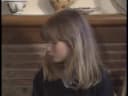
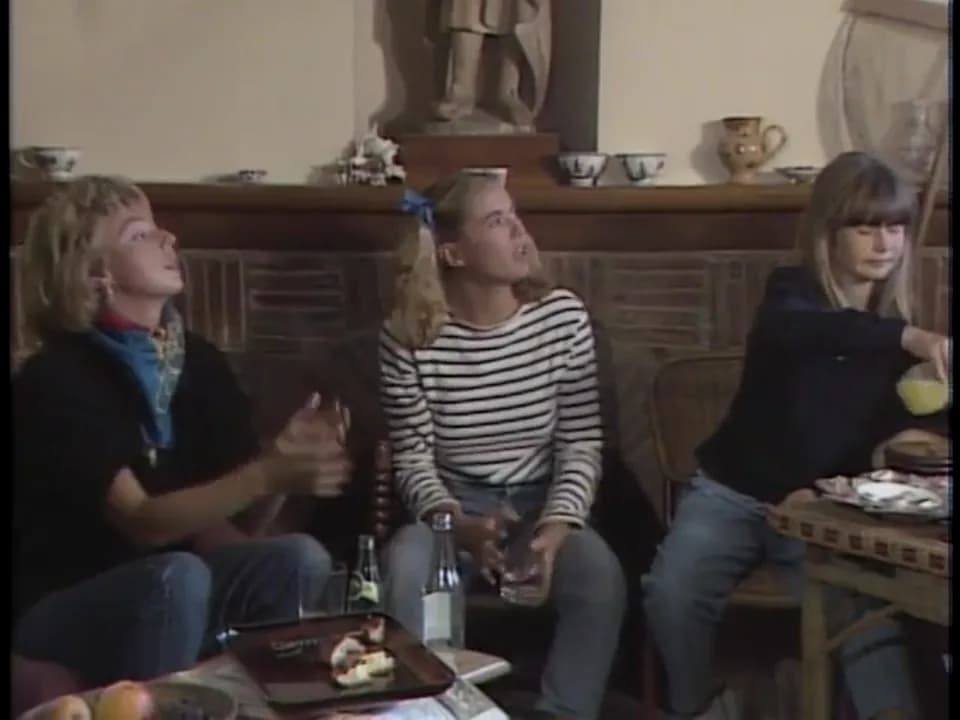
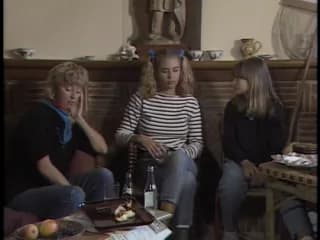
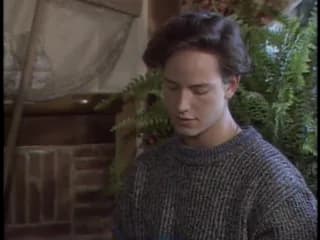
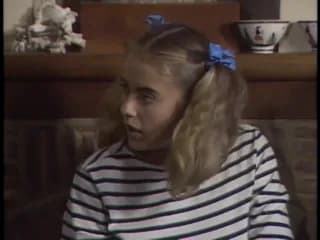
  • The three Belleau sisters: Cécile (short hair, blue scarf), Mireille (striped top, blue ribbons) and little Marie-Laure — plus cousin Georges.
  • How the big sisters talk to Marie-Laure: bête, sourde, idiote — ouch!
  • Weather words: il pleut, ça se lève, il fait beau.
  • The little word Si ! when people argue.

Scene by scene

The episode in 21 short scenes, with the time each one starts in the video.

  1. Starts at 0:00

    1.A rainy day in Brittany

    The short English intro, then the titles. It's raining in Brittany, the cousins are bored of their portrait game — and then the sun comes out.

  2. Starts at 1:06

    2.Three days of rain — who's in the portrait?

    The Belleau sisters and their cousins are stuck indoors. Marie-Laure still wants to know who was in Georges's portrait. Cécile helps her work it out: it's Maman!

  3. Starts at 2:28

    3.Uncle Victor & Uncle Henri

    Marie-Laure wants to go on. Mireille describes Uncle Victor — one eye looks toward Brest, the other toward Bordeaux (he squints!). Cécile does Uncle Henri: straight nose, shaved head.

  4. Starts at 3:29

    4.Aunt Amélie… and the math teacher

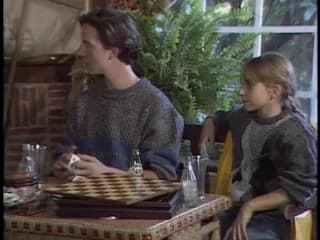
    Georges guesses Aunt Amélie at once. Then he describes a man with sticking-out ears, glasses, a beard and an enormous nose: his math teacher! 'Not fair,' says Mireille — nobody knows him.

  5. Starts at 4:10

    5.What's on at the movies?

    Mireille has had enough of the silly game. Marie-Laure checks the paper: the film club is showing Le Genou de Claire — an old Rohmer film. Claire's knee? Why not her foot, or her toe?

  6. Starts at 5:13

    6.The rain stops: who's coming sailing?

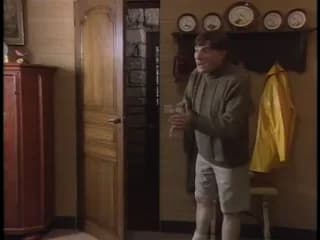
    Jean-Denis bursts in: it's clearing up! Georges would rather have a nap, but Cécile jumps at the chance. Mireille throws her a raincoat.

Show the other 15 scenes
  1. 7Passing time — and the weatherThe teacher explains: to pass the time you can read, watch TV, play cards. Time goes slowly when you're bored, fast when you're having fun. And 'temps' also means weather: il fait mauvais, il pleut, ça se lève, il fait beau.Starts at 5:44
  2. 8C'est qui ? Qui est-ce ?Three ways to ask 'who is it?' — c'est qui, qui c'est, qui est-ce. Marie-Laure asks Maman about an old photo: it's her great-grandfather!Starts at 6:56
  3. 9Cross-eyed, shaved, baldUncle Victor louche (squints). Straight noses and hooked noses. Well-shaved, badly shaved, a shaved head… and bald men. Uncle Henri shaves his head to hide that he's going bald — like Marie-Laure hiding her chocolates.Starts at 8:03
  4. 10Aunt Amélie & 'pas la peine'A bit of a mustache, no chin, and always talking about her late husband. Georges guesses at once: no point going on! Then more 'pas la peine' — no point looking, no point crying, no need to shout.Starts at 10:00
  5. 11The next one: the math teacherSuivant = next. Ears that stick out (like the royal baby's father!), big glasses, a nose like Cyrano's. He's 'bête comme ses pieds' — and 'vache' (mean). Il n'y a pas plus vache! What a 'drôle de bonhomme'.Starts at 11:36
  6. 12Not fair! We don't know himIn portraits, you must pick someone everybody knows. Mireille knows lots of people — but not Georges's math teacher. Then 'on': in France, on parle français — people in general.Starts at 14:21
  7. 13Ça fait deux heures… new or old?Mireille wants to go to the movies: we've been playing for two hours! Ça fait trois jours qu'il pleut. Then nouveau / vieux: a new sweater? No — I've had it for two years.Starts at 16:02
  8. 14Knee, ankle, foot — and a guessing gameClaire's knee leads to body words: la jambe, le genou, la cheville, le pied, droit and gauche. Then the teacher does a portrait for YOU to guess — it's the math teacher again.Starts at 17:14
  9. 15Pas possible! — Si, si!Jean-Denis: it stopped raining an hour ago. 'Not possible!' — 'Si, si, je t'assure.' Si is the yes that contradicts a no: It's not my fault! — Si, c'est ta faute!Starts at 18:18
  10. 16Whose turn is it?C'est à qui ? C'est à moi, à toi, à lui, à elle, à nous, à vous, à eux, à elles.Starts at 19:32
  11. 17Tu viens ? — Je viens ! Attends…Jean-Denis suggests sailing. Tu viens? Je viens! The verb venir, then attendre (to wait). Cécile: 'Attendez-moi!' Mireille throws her a ciré.Starts at 20:16
  12. 18Ça vaut mieux: umbrella or raincoat?Ça vaut mieux = it's better. When it rains, is it better to go sailing or play portraits? When it's nice, the movies or sailing? Answer before the teacher!Starts at 21:36
  13. 19Your turn: be Georges!Listen to Jean-Denis and Georges, then say Georges's lines in the pauses: Il ne pleut plus? Ce n'est pas possible! Non, mon vieux, pas aujourd'hui. Aujourd'hui, on fait la sieste.Starts at 22:51
  14. 20What do you remember?Quick questions: What's the weather like? Is this nose hooked? Is he bald? Does Astérix have a beard? Is there anybody there? Answer out loud before the teacher.Starts at 24:00
  15. 21Speed game — and that's enough!Say what you see, fast: un nez, un menton, une oreille, un genou, un orteil… Then 'ça suffit comme ça' — and the credits.Starts at 25:56

Key phrases, with Hindi and Punjabi pronunciation

Real lines from this episode, written the way they sound in Latin letters, Devanagari and Gurmukhi.

  • Ça fait trois jours qu'il pleut.It's been raining for three days.
    sa feh trwa ZHOOR keel PLÖसा फ़ै त्ग़ुआ झ़ूग़ कील प्लöਸਾ ਫ਼ੈ ਤ੍ਗ਼ੁਆ ਝ਼ੂਗ਼ ਕੀਲ ਪ੍ਲö
  • Ici, il fait beau.Here the weather's nice.
    ee-SEE, eel feh BOHई-सी, ईल फ़ै बोਈ-ਸੀ, ਈਲ ਫ਼ੈ ਬੋ
  • Alors, qui c'est ?So, who is it?
    a-LOR, kee SAYआ-लोग़, की सेਆ-ਲੋਗ਼, ਕੀ ਸੇ
  • Pas la peine de continuer.No point going on.
    pa la PEN duh ko(n)-tee-NÜ-ayपा ला पैन दअ कोँ-ती-nüएਪਾ ਲਾ ਪੈਨ ਦਅ ਕੋਂ-ਤੀ-nüਏ
  • Alors, vous venez faire de la voile ?So, are you coming sailing?
    a-LOR, voo vuh-NAY fehr duh la VWALआ-लोग़, वू वअ-ने फ़ैग़ दअ ला वुआलਆ-ਲੋਗ਼, ਵੂ ਵਅ-ਨੇ ਫ਼ੈਗ਼ ਦਅ ਲਾ ਵੁਆਲ

Sounds to master in this episode

French sounds explained through the Hindi and Punjabi sounds you already make, with real lines from the episode to copy.

  • The eu of deux/ø/

    ए + ओ के होंठਏ + ਓ ਦੇ ਬੁੱਲ੍ਹ

    The closed /ø/ of deux, yeux, bleus, il pleut, vieux, mieux — say ए and round your lips as for ओ. It comes at the end of a syllable (nothing after the vowel).

    • Est-ce qu'elle a les yeux bleus?Does she have blue eyes?
    • Ça vaut mieux.It's better.
  • The open eu of sœur/œ/

    ऐ + गोल होंठਐ + ਗੋਲ ਬੁੱਲ੍ਹ

    The open /œ/ of sœur, heure, meilleur — same round lips, mouth a bit more open (ऐ + round lips). It comes when a consonant follows: heu-r, sœu-r. Workbook 10.4: C'est à eux (/ø/) vs C'est sa sœur (/œ/).

    • Ça fait deux heures qu'on joue à ce jeu idiot.We've been playing this stupid game for two hours — deux /ø/, heures /œ/.
    • Mireille, ses sœurs et ses cousinsMireille, her sisters and her cousins
  • The nasal on of bon/ɔ̃/

    ओं (हों वाला)ਓਂ (ਹੋਂ ਵਾਲਾ)

    on — the little word for 'we / people' — is just a nasal ओं: on fait, on joue, on vient. Before a vowel the n wakes up: on‿a, on‿est (o(n)-na, o(n)-nay). That's why on n'a rien à faire sounds just like on‿a…

    • Aujourd'hui, on fait la sieste.Today we're taking a nap.
    • En France, on parle français.In France, people speak French.

Grammar patterns in this episode

Each pattern comes from real lines in the episode. Here is the short version; in the course you notice it in the video first, then drill it.

  1. 1Talking weather: il pleut, il fait beau

    Weather uses il fait + adjective: il fait beau (nice), il fait mauvais (bad). Rain has its own verb: il pleut → il ne pleut plus (it's stopped). The il is nobody — like English it. Ask: Quel temps fait-il ?

    From the episode

    Ici, il fait beau.

    Here the weather's nice.

  2. 2Ça fait… que: how long it's been going on

    Ça fait (or il y a) + amount of time + que + verb in the present = something that started in the past and is still going on. Ça fait trois jours qu'il pleut — and it's still raining.

    From the episode

    Ça fait trois jours qu'il pleut.

    It's been raining for three days.

    Hindi and Punjabi link

    Hindi does the same: दो घंटे से खेल रहे हैं — present + से. Punjabi: ਦੋ ਘੰਟਿਆਂ ਤੋਂ ਖੇਡ ਰਹੇ ਹਾਂ. Don't translate the English has been!

  3. 3Oui, non… and si!

    To agree, match the sentence: C'est joli ! — Oui. / Ce n'est pas joli ! — Non. To disagree with a positive sentence say Non; to disagree with a negative sentence say Si — never oui.

    From the episode

    Je n'ai pas les yeux bleus ? — Si.

    Don't I have blue eyes? — Yes, you do.

  4. 4connaître or savoir?

    connaître = to know a person or a place, to be familiar with (je connais Mireille, je connais Paris). savoir = to know a fact or information (je sais qui c'est, je ne sais pas).

    From the episode

    On ne le connaît pas, nous, ton prof de maths.

    We don't know him, your math teacher.

    Hindi and Punjabi link

    connaître ≈ जानना / पहचानना (a person), savoir ≈ पता होना (a fact). Je ne sais pas = मुझे नहीं पता · ਮੈਨੂੰ ਨਹੀਂ ਪਤਾ.

  5. 5venir — and on for 'we'

    venir is irregular: je viens, tu viens, il/on vient, nous venons, vous venez, ils viennent. In everyday speech on often means nous: on fait la sieste = nous faisons la sieste. It always takes the il form of the verb.

    From the episode

    Alors, vous venez faire de la voile?

    So, are you coming sailing?

  6. 6ce, cet, cette, ces — this / that

    ce + masculine noun (ce jeu), cet + masculine noun starting with a vowel sound (cet enfant, the t is said), cette + feminine noun (cette jupe), ces + any plural (ces oreilles, with a z before a vowel). They mean this or that.

    From the episode

    Ce gros nez, cette grosse barbe, ces moustaches tombantes, ces oreilles décollées,

    This big nose, this big beard, this drooping mustache, these ears that stick out,

Words you will meet

Each word is written the way it sounds in Devanagari and Gurmukhi.

  • le tempsm.time; weatherलअ ताँਲਅ ਤਾਂ
  • il pleutit's rainingईल प्लöਈਲ ਪ੍ਲö
  • il fait beau / il fait mauvaisthe weather's nice / badईल फ़ै बो / ईल फ़ै मो-वैਈਲ ਫ਼ੈ ਬੋ / ਈਲ ਫ਼ੈ ਮੋ-ਵੈ
  • ça se lèveit's clearing upसा सअ लैवਸਾ ਸਅ ਲੈਵ
  • passer le tempsto pass the timeपा-से लअ ताँਪਾ-ਸੇ ਲਅ ਤਾਂ
  • s'ennuyerto be boredसाँ-न्वी-येਸਾਂ-ਨ੍ਵੀ-ਯੇ
  • avoir l'air…to look / seem…आ-वुआग़ लैग़ਆ-ਵੁਆਗ਼ ਲੈਗ਼
  • les yeux (un œil)m.eyes (one eye)ले ज़्यö (अँ-नœय)ਲੇ ਜ਼੍ਯö (ਅੰ-ਨœਯ)
  • le nezm.noseलअ नेਲਅ ਨੇ
  • loucherto squint, be cross-eyedलू-शेਲੂ-ਸ਼ੇ
  • rasé(e)shavedग़ा-ज़ेਗ਼ਾ-ਜ਼ੇ
  • chauvebaldशोवਸ਼ੋਵ

Plus 23 more words in the lesson, each with its pronunciation.

Practice in all four skills

Listening, speaking, reading and writing: the four skills TEF Canada and TCF Canada score. Every task is built from this episode's own lines.

  • Listening

    8 dictation lines cut from the video: hear it, type it, check every accent. Plus 13 textbook audio drills.

    A line you will write down

    Ça vaut mieux.

    It's better.

  • Speaking

    Shadow 8 lines after the actors, answer 6 questions aloud, then a short role-play with Jean-Denis.

    How the role-play opens

    Salut, tout le monde ! Ça fait une heure qu'il ne pleut plus ! Tu viens faire de la voile ?

    Hi, everybody! It stopped raining an hour ago! Are you coming sailing?

  • Reading

    A short story, “Three days of rain”, retold with this episode's words, then 6 questions on it.

    The story starts

    Mireille, ses sœurs Cécile et Marie-Laure, son cousin Georges et sa cousine Yvonne sont en vacances en Bretagne.

  • Writing

    8 fill-in sentences, 6 sentences to build and 2 short writing tasks with feedback.

    A writing task

    Play portraits! Describe someone in your family in 4–5 sentences, from the most ordinary detail to the most unusual. Don't say who it is until the very end.

Then a self-test of 8 questions to finish the episode, and new words go into your review deck.

Culture notes

Holidays in Brittany

La Bretagne is the big peninsula in the north-west of France — rocky coast, lighthouses, crêpes, and famously changeable weather. It can rain for three days and then clear in an hour (ça se lève !). Families rent a house for the summer and go sailing (faire de la voile) in a yellow ciré. Brest is at the far western tip; Bordeaux is way down south — hence Uncle Victor's joke.

Hindi and Punjabi linkThink of a monsoon holiday in the hills: rain all day, cards and games indoors, then everyone runs out the moment the sun appears.


Ciné-clubs & Éric Rohmer

A ciné-club is a film society that shows classics, often followed by a discussion. Éric Rohmer was a New Wave director famous for talky films where 'nothing happens'. Le Genou de Claire (1970) is about a man fascinated by… a girl's knee. Marie-Laure reads it as Le Génie de Claire (Claire's Genius) — and gets called idiote.

Hindi and Punjabi linkLike film-society screenings of Satyajit Ray at college — old classics, then long discussions.

Big sisters can be harsh

Poor Marie-Laure! Her sisters call her bête, sourde, idiote. The Study Guide explains: French children are corrected sharply and expected to act grown-up early — but they feel the affection underneath and learn to answer back (Ce n'est pas la peine de crier, je ne suis pas sourde !).

Hindi and Punjabi linkThe छोटी of the family always gets teased by दीदी — and always has a comeback ready.

Who is in it

  • Mireillethe middle sister — sharp-tongued, bored of the game
  • Cécilethe eldest sister — helps Marie-Laure, then goes sailing
  • Marie-Laurethe little sister — asks questions, gets teased
  • Georgescousin — describes his awful math teacher
  • Jean-Denisa sailing friend — brings the good news: it's stopped raining
  • Le professeurPierre Capretz, who explains the new words

Watch this episode in your free trial

Start with Episode 1 free in two taps. Add your email when you are ready and every episode, this one included, opens for 7 days. No card needed.

Start free with Episode 1

What you get

  • Warm-up, tap-to-translate captions, words & patterns, practice
  • Hindi and Punjabi pronunciation help
  • Printable watch guide, master guide, transcript, textbook, and workbook
  • New words saved to your spaced review deck

Coming up next

Episode 11 — Rencontres I. Back in Paris, Robert wanders into the Latin Quarter… and at last he and Mireille cross paths. Get ready for encounters!