

French

Part 2 · Paris

Episode 16: Occupations II

Occupations II

  • 29 min video
  • About 80 min with practice
  • A2

Back in the Luxembourg Gardens. Marie-Laure confesses her joke, Robert suddenly asks about the Basque Country, and Mireille has to go to Chartres tomorrow — can he come? Then a stuck toy boat, and at last: what's your name? Learn y (j'y vais), avoir envie de, profiter de, and vous pouvez, si vous voulez.

Start with Episode 1 free in two taps. Add your email when you are ready and every episode, this one included, opens for 7 days. No card needed.

A scene from French in Action episode 16, Occupations II
minutes of video
29
CEFR level
A2
key words
33
grammar patterns
5

By the end you can

  • say where you're going without repeating the place: J'y vais. Je peux y aller un autre jour.
  • say what you feel like doing: J'ai envie d'y aller. / Elle n'a pas envie de travailler.
  • make the most of something: Je vais profiter du vent.
  • give permission: Vous pouvez, si vous voulez.
  • say you have to: Je dois aller à Chartres.
  • recognise two pasts when you hear them: Autrefois, nous allions à Belle-Île (a habit) / L'été dernier, nous sommes allés à Saint-Jean-de-Luz (one trip).
  • react: C'était une blague ! Je ne vois pas le rapport. Débrouille-toi !

Listen out for

Five things to notice the first time you watch. Spotting them is half the lesson.

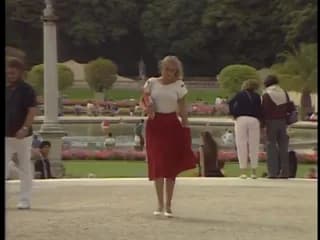
  • Mireille (blond ponytail, red skirt), Robert (pale jacket) and little Marie-Laure with her toy sailboat — on a bench by the big pond of the Luxembourg Gardens.
  • Mireille's face: angry at first, then smiling at Robert. Watch the long looks!
  • The little word y = there: J'y vais. Je peux y aller un autre jour.
  • Two pasts side by side: nous allions à Belle-Île (we used to go) / nous sommes allés à Saint-Jean-de-Luz (we went, once).

Scene by scene

The episode in 26 short scenes, with the time each one starts in the video.

  1. Starts at 0:00

    1.Marie-Laure's trick

    The short English intro and titles. Marie-Laure has sent Mireille on a wild-goose chase; Robert would like Mireille to visit the Courtois with him — but she's going to Chartres.

  2. Starts at 1:06

    2.A spring day in the Luxembourg

    Flowers, little birds, (almost) no clouds. A young man on a bench talks with a little girl holding a boat. He's been in France for two days.

  3. Starts at 1:44

    3.It was a joke!

    Marie-Laure sees Mireille coming back and runs off with her boat. She confesses: 'Mom is looking for you' wasn't true — it was a joke. Robert promises to keep quiet. Mireille arrives, furious: what a nasty little brat!

  4. Starts at 2:47

    4.Do you know the Basque Country?

    Robert changes the subject: does Mireille know the Basque Country? When she was little the family went to quiet Belle-Île in Brittany; last year, livelier Saint-Jean-de-Luz. Robert's mother grew up near there — that's where she met Mme Courtois.

  5. Starts at 4:19

    5.Tomorrow: Chartres

    Robert's grandparents are dead. He's going to the Courtois' tomorrow — would Mireille come? No: she has to go to Chartres, to an exhibition in a little museum near the cathedral. Can Robert come along? 'You can, if you want.'

  6. Starts at 5:10

    6.The boat is stuck!

    Marie-Laure shouts: her boat is stuck in the middle of the pond — no more wind. Mireille: deal with it yourself! Robert goes. By the time they arrive, the wind is back… but the lines are all tangled. Robert fixes them.

Show the other 20 scenes
  1. 7At last: names!'You're very kind… what's your name?' Robert Taylor — no relation to the actor. Mireille Belleau — no relation to the poet. What a coincidence!Starts at 6:37
  2. 8Day or journée? Tenir, venirThe teacher explains: flowers, birds, a beautiful spring day. Un jour / une journée, un matin / une matinée. Marie-Laure holds a boat, a biscuit, Fido: tenir works just like venir and revenir.Starts at 7:05
  3. 9Make the most of the windThe wind makes windmills turn and sailboats move. No wind? The boat is stuck. Marie-Laure wants to make the most of the wind; Mireille thinks you should make the most of rain to do homework!Starts at 8:14
  4. 10Feel like it? Happy or not?Marie-Laure doesn't feel like working — she'd rather nap or play. Then: who's happy, who isn't? Mireille isn't happy (Marie-Laure's joke).Starts at 9:26
  5. 11Jokes and a fake snakeMarie-Laure told Mireille Mom was looking for her — not true, a joke. Marie-Laure loves jokes. A boy 'catches a snake'… it's a fake one.Starts at 10:14
  6. 12True or false?A game: Mireille is dark-haired? False. Marie-Laure has a boat? True. Flowers in the Luxembourg? True. Not a single cloud? False. And 'Mom is looking for you' was false — so Mireille calls her a sale gamine.Starts at 11:05
  7. 13An unexpected questionRobert smiles and changes the subject: the Basque Country? Mireille doesn't see the connection. Marie-Laure, too, mixes things up: 'I got ten in French!' — to avoid going to bed. Inattendu = unexpected.Starts at 11:57
  8. 14Connaître or savoir?Do you know the Basque Country (connaître)? Do you know where it is (savoir)? Australian food? Sonia knows Antoine — they know each other.Starts at 13:21
  9. 15The Basque Country — lively and trendySouth-west France, partly in Spain: mountains and sea, Basque houses, pelota walls, beaches, Biarritz, Saint-Jean-de-Luz. Lively in summer. Brittany is quieter — not trendy enough for Cécile.Starts at 14:15
  10. 16Grandpa the judgeRobert's grandfather was a judge: first in La Rochelle, then in Bayonne. Mme Courtois's parents had a fabric shop there. The two little girls met as children. J'étais, tu étais, il était…Starts at 15:35
  11. 17Tomorrow? Chartres!Robert suggests visiting the Courtois — Mme Courtois is Mireille's godmother. She can't: she has to go to Chartres, to a little museum next to the cathedral. Passers-by: do you know Chartres? Everyone knows the cathedral.Starts at 16:25
  12. 18You can, if you wantRobert asks if he may come along. 'You can, if you want.' Pouvoir and vouloir side by side: Quand on veut, on peut. He'll see the Courtois another day — the day after tomorrow.Starts at 17:39
  13. 19Stuck — sort it out yourself!Marie-Laure's boat is stuck; Mireille won't help: débrouille-toi! A tangled string, a muddled man, a little girl who climbed up and can't get down.Starts at 18:42
  14. 20Your turn: be Mireille!Listen to Marie-Laure and Mireille, then say Mireille's lines in the pauses: Quoi ? Qu'est-ce qu'il y a encore ? Tu es en panne ? Écoute, tu m'ennuies. Débrouille-toi.Starts at 19:29
  15. 21Robert y vaMireille won't go to the pond, but Robert goes: Robert y va. He can go to the Courtois' another day: je peux y aller un autre jour. He feels like going to the Basque Country: il a envie d'y aller.Starts at 20:17
  16. 22Making fun of us?At the pond the boat is at the edge, not in the middle. Mireille thinks Marie-Laure is making fun of them again — but no: the wind came back. The lines are tangled; Robert fixes them. Et voilà !Starts at 20:56
  17. 23What's your name?She has known Robert for two days and doesn't know his name! S'appeler, amener. Robert Taylor — like the American film actor, famous around 1950. No connection: a coincidence.Starts at 22:04
  18. 24Poets and centuriesRémy Belleau: a 16th-century poet (1528–1577). Victor Hugo: 19th century. Rilke and García Lorca: 20th century.Starts at 23:44
  19. 25True or false? Your turnSay vrai or faux before the teacher: flowers? true. Marie-Laure doing homework? false. School on Wednesday? false. Grandpa a shopkeeper? false — a judge.Starts at 24:38
  20. 26Puppets: what a pedant!At the puppet theatre, Guignol grumbles: 'What a pedant, that teacher! A sixteenth-century poet!' — then the credits.Starts at 25:57

Key phrases, with Hindi and Punjabi pronunciation

Real lines from this episode, written the way they sound in Latin letters, Devanagari and Gurmukhi.

  • C'était une blague.It was a joke.
    say-TEH ün BLAGसे-तै üन ब्लागਸੇ-ਤੈ üਨ ਬ੍ਲਾਗ
  • Vous connaissez le Pays basque ?Do you know the Basque Country?
    voo ko-neh-SAY luh pay-ee BASKवू को-नै-से लअ पे-ई बास्कਵੂ ਕੋ-ਨੈ-ਸੇ ਲਅ ਪੇ-ਈ ਬਾਸਕ
  • J'ai envie d'y aller.I'd like to go there.
    zhay a(n)-VEE dee a-LAYझ़े आँ-वी दी आ-लेਝ਼ੇ ਆਂ-ਵੀ ਦੀ ਆ-ਲੇ
  • Non, je ne peux pas. Je dois aller à Chartres.No, I can't. I have to go to Chartres.
    no(n), zhuh nuh pö PA. zhuh DWA a-lay a SHARTRनोँ, झ़अ नअ पö पा। झ़अ दुआ आ-ले आ शाग़्त्ग़ਨੋਂ, ਝ਼ਅ ਨਅ ਪö ਪਾ। ਝ਼ਅ ਦੁਆ ਆ-ਲੇ ਆ ਸ਼ਾਗ਼ਤ੍ਗ਼
  • Je suis en panne.I'm stuck! (my boat has broken down)
    zhuh swee a(n) PANझ़अ सüई आँ पानਝ਼ਅ ਸüਈ ਆਂ ਪਾਨ

Sounds to master in this episode

French sounds explained through the Hindi and Punjabi sounds you already make, with real lines from the episode to copy.

  • Liaison & linking‿

    शब्द जोड़ोਸ਼ਬਦ ਜੋੜੋ

    Ils sont /s/ vs ils‿ont /z/: one sound changes the meaning! Ils sont deux garçons = they are two boys; Ils‿ont deux garçons = they have two boys. A single s between vowels (oiseau, magasin, hasard) and a linking s (les‿enfants) both say z; ss (bassin) says s.

    • Un oiseau, des oiseaux.One bird, some birds.
    • Ils avaient un petit magasin de tissus en face de la cathédrale.They had a little fabric shop across from the cathedral.
  • The nasal in of vin/ɛ̃/

    ऐंਐਂ

    venir, tenir, revenir change their vowel: je viens, il tient (nasal, like vin) → ils viennent, ils tiennent (no nasal — you hear the n) → nous venons (light e). Three sounds, one verb.

    • Tiens, voilà ma sœur qui revient.Look, there's my sister coming back.
    • Ils tiennent.They hold.

Grammar patterns in this episode

Each pattern comes from real lines in the episode. Here is the short version; in the course you notice it in the video first, then drill it.

  1. 1y = there: J'y vais

    y replaces a place you've already mentioned (à Chartres, au bassin, chez les Courtois, en France). It goes right before the verb: Robert va au bassin → Robert y va. With two verbs, it goes before the one it belongs to: Je peux y aller. After je, it's j'y.

    From the episode

    J'ai envie d'y aller.

    I'd like to go there.

    Hindi and Punjabi link

    Hindi just says वहाँ / ਉੱਥੇ: मैं वहाँ जाता हूँ. French squeezes it into one letter, y, and parks it before the verb: J'y vais.

  2. 2avoir envie de — to feel like

    avoir envie de + verb = to feel like / to want to. Only avoir changes: j'ai envie, il a envie, nous avons envie. Negative: je n'ai pas envie de…. Before a vowel, de → d': envie d'aller.

    From the episode

    J'ai envie d'y aller.

    I'd like to go there.

    Hindi and Punjabi link

    Like मेरा मन है… / ਮੇਰਾ ਮਨ ਹੈ… — I have the wish. French says it the same way: j'ai envie = I have the wish. मन नहीं है = Je n'ai pas envie.

  3. 3profiter de… pour — make the most of it

    profiter de + thing = to make the most of it; add pour + verb to say what for. de + le = du, de + les = des: profiter du vent, des vacances, de la neige. Already mentioned? en replaces de + thing, before the verb: Il pleut — j'en profite pour travailler.

    From the episode

    Je vais profiter du vent tant qu'il y en a.

    I'm going to make the most of the wind while there is some.

  4. 4Vous pouvez, si vous voulez

    pouvoir (can, may) and vouloir (want) are twins: je peux / je veux, il peut / il veut, nous pouvons / nous voulons, vous pouvez / vous voulez, ils peuvent / ils veulent. To give permission: Vous pouvez, si vous voulez. Their cousin devoir = must: je dois, vous devez.

    From the episode

    Oh, mais vous pouvez, si vous voulez.

    Oh, but you can, if you like.

    Hindi and Punjabi link

    Same polite move as आप आ सकते हैं, अगर आप चाहें / ਤੁਸੀਂ ਆ ਸਕਦੇ ਹੋ, ਜੇ ਤੁਸੀਂ ਚਾਹੋ — Vous pouvez, si vous voulez.

  5. 5Recap + new: two pasts side by side — nous allions / nous sommes allés

    Recap (Episode 14): the imperfect (-ais, -ait, -ions, -aient) paints the background — habits, how things were: autrefois nous allions, on pêchait, c'était tranquille. New: a second past that comes in two words and tells one event: l'été dernier nous sommes allés, ma mère est née. Clue words help: autrefois, quand j'étais petite → habit; l'été dernier → one time. Just recognise them for now — you'll learn to build the two-word past in Episode 19.

    From the episode

    Autrefois, quand j'étais petite, nous allions à Belle-Île-en-Mer.

    In the old days, when I was little, we used to go to Belle-Île-en-Mer.

    Hindi and Punjabi link

    Hindi does this too: हम बेले-ईल जाया करते थे (used to go — imperfect) vs हम सेंट-जाँ गए (went — passé composé). जाया करते थे = nous allions.

Words you will meet

Each word is written the way it sounds in Devanagari and Gurmukhi.

  • une blaguef.a jokeüन ब्लागüਨ ਬ੍ਲਾਗ
  • quelle sale gamine !what a nasty little brat!कैल साल गा-मीनਕੈਲ ਸਾਲ ਗਾ-ਮੀਨ
  • mystère et boule de gommemy lips are sealedमीस-तैग़ ए बूल दअ गोमਮੀਸ-ਤੈਗ਼ ਏ ਬੂਲ ਦਅ ਗੋਮ
  • le ventm.the windलअ वाँਲਅ ਵਾਂ
  • profiter deto make the most ofप्ग़ो-फ़ी-ते दअਪ੍ਗ਼ੋ-ਫ਼ੀ-ਤੇ ਦਅ
  • avoir envie deto feel like (doing)आ-वुआग़ आँ-वी दअਆ-ਵੁਆਗ਼ ਆਂ-ਵੀ ਦਅ
  • content(e)happy, pleasedकोँ-ताँ / कोँ-ताँतਕੋਂ-ਤਾਂ / ਕੋਂ-ਤਾਂਤ
  • vrai(e)true, realव्ग़ैਵ੍ਗ਼ੈ
  • faux, faussefalse, fakeफ़ो, फ़ोसਫ਼ੋ, ਫ਼ੋਸ
  • en pannestuck, broken downआँ पानਆਂ ਪਾਨ
  • Débrouille-toi !Deal with it yourself!दे-ब्ग़ूय-तुआਦੇ-ਬ੍ਗ਼ੂਯ-ਤੁਆ
  • tu m'ennuiesyou're bugging meतü माँ-न्वीਤü ਮਾਂ-ਨ੍ਵੀ

Plus 21 more words in the lesson, each with its pronunciation.

Practice in all four skills

Listening, speaking, reading and writing: the four skills TEF Canada and TCF Canada score. Every task is built from this episode's own lines.

  • Listening

    8 dictation lines cut from the video: hear it, type it, check every accent. Plus 16 textbook audio drills.

    A line you will write down

    C'était une blague.

    It was a joke.

  • Speaking

    Shadow 8 lines after the actors, answer 6 questions aloud, then a short role-play with Marie-Laure.

    How the role-play opens

    Bonjour ! Tu es américain ? Moi, je vais profiter du vent tant qu'il y en a !

    Hello! Are you American? Me, I'm going to make the most of the wind while there is some!

  • Reading

    A short story, “A joke, a question, a boat”, retold with this episode's words, then 5 questions on it.

    The story starts

    Au jardin du Luxembourg, Robert parle avec Marie-Laure.

  • Writing

    7 fill-in sentences, 6 sentences to build and 2 short writing tasks with feedback.

    A writing task

    A place you dream of! Write 4–5 sentences: where you feel like going, what you'll make the most of there, and invite a friend. Use avoir envie de, y and profiter de.

Then a self-test of 7 questions to finish the episode, and new words go into your review deck.

Culture notes

Le Pays basque

The Basque Country sits on the Atlantic at the western end of the Pyrenees — partly in France, partly in Spain. Basque houses with red shutters, pelota walls (frontons), beaches at Biarritz and Saint-Jean-de-Luz, and striped toile basque linen (the fabric Mme Courtois's parents sold). The Basques kept their own language, euskara, which isn't related to French or Spanish at all.

Hindi and Punjabi linkLike a hill region with its own language and pride — think of how Punjabi or Kashmiri identity sits inside India.


Judges on the move

In France, judges are civil servants named by the Ministry of Justice, and they're moved from court to court during their career. That's why Robert's grandfather went from La Rochelle to Bayonne — and why his mother grew up in the south-west.

Chartres

Chartres, about an hour south-west of Paris, is famous for its Gothic cathedral and its blue stained glass. Every French schoolchild visits it — Mireille has been five or six times with her parents and as many times with school. So tomorrow she's going for something else: a little museum right next to it.

Who is in it

  • Mireilleon the bench with Robert — annoyed by her little sister
  • Robertthe young American — full of unexpected questions
  • Marie-Laurethe little sister — jokes, a toy boat, and trouble
  • Le professeurPierre Capretz, who explains the new words

Watch this episode in your free trial

Start with Episode 1 free in two taps. Add your email when you are ready and every episode, this one included, opens for 7 days. No card needed.

Start free with Episode 1

What you get

  • Warm-up, tap-to-translate captions, words & patterns, practice
  • Hindi and Punjabi pronunciation help
  • Printable watch guide, master guide, transcript, textbook, and workbook
  • New words saved to your spaced review deck

Coming up next

Episode 17 — Occupations III. Still on their bench in the Luxembourg, Mireille decides that Taylor means tailor — and lists the surnames that are really jobs. Then childhood dreams (quand j'étais petite, je voulais être…) — and Marie-Laure splashes into the pond!